
Technology and Communication at the Heart of Social Change

© Seluna Fernandez
Description
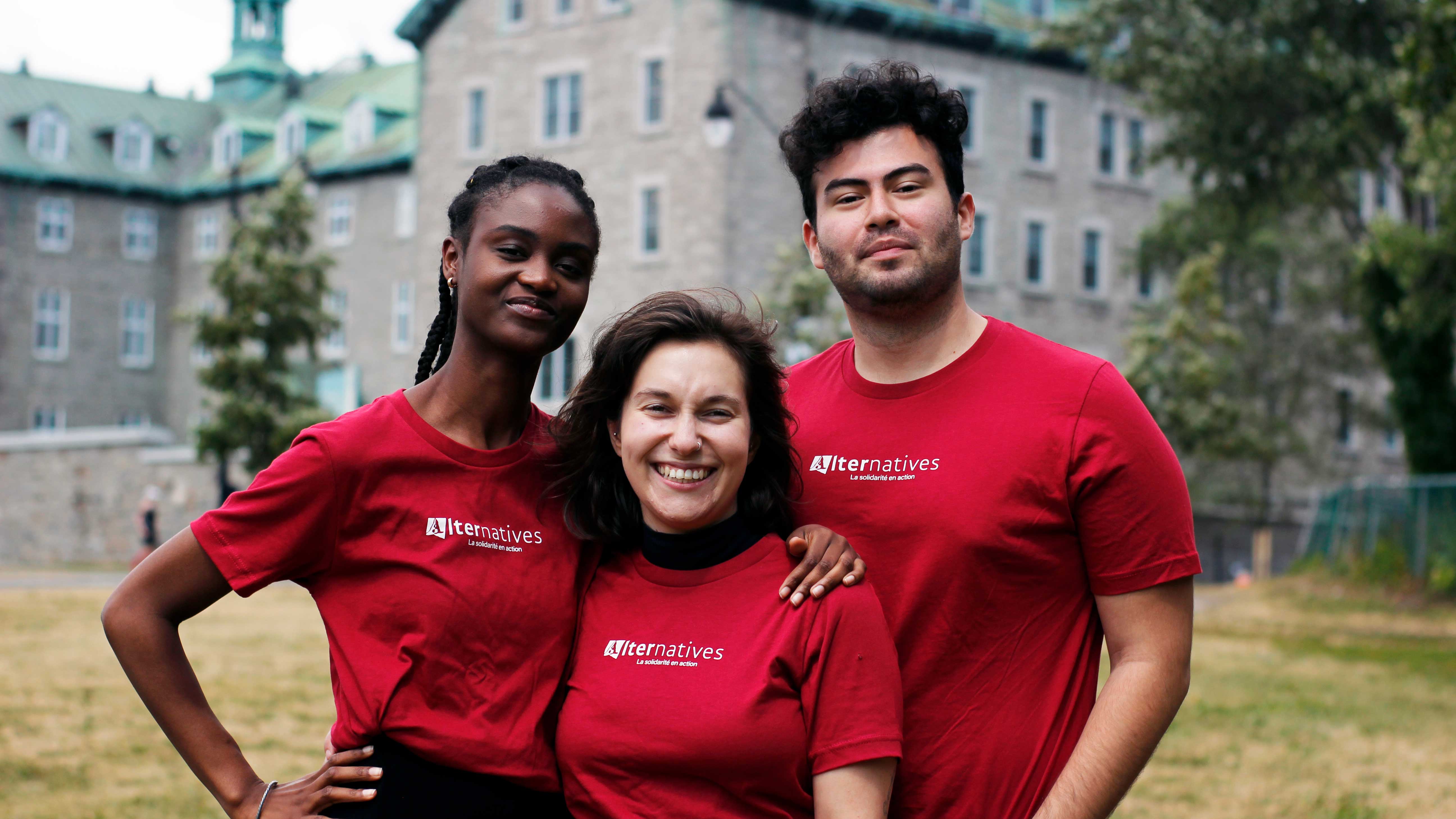
Alternatives launched the International Youth Internship Program (IYIP) in 2018 for three years. Each year, this program offers young Canadian men and women the possibility to participate in six-month internships with partner organizations in more than a dozen countries.
As part of this program, young Canadians get the opportunity to work with Alternatives’ international partners to advance important issues on women’s rights, the self-determination of peoples, environmental protection, freedom of expression, the right to privacy, free access to digital technologies, and more generally respect for human rights.
As a continuation of the many initiatives Alternatives has carried out with young people in Quebec and Canada over the past 25 years, the IYIP demonstrates a real desire to train the next generation of young people in the field of solidarity and international cooperation.
Prior to the internship, interns are required to undergo training that provides them with the knowledge and skills necessary to carry out the internship mandate. This training also prepares them to live, in complete safety, an enriching international and intercultural experience.
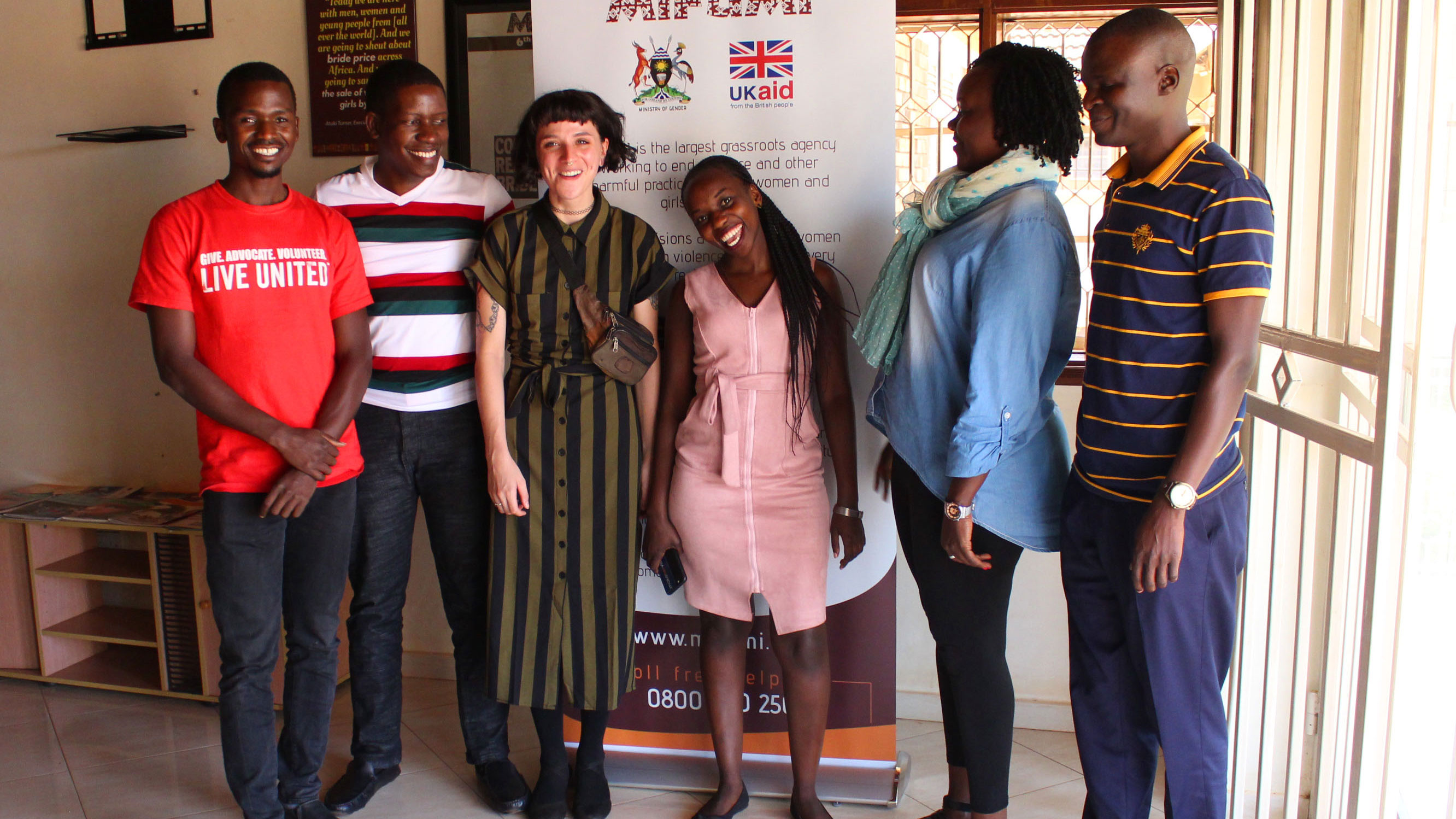
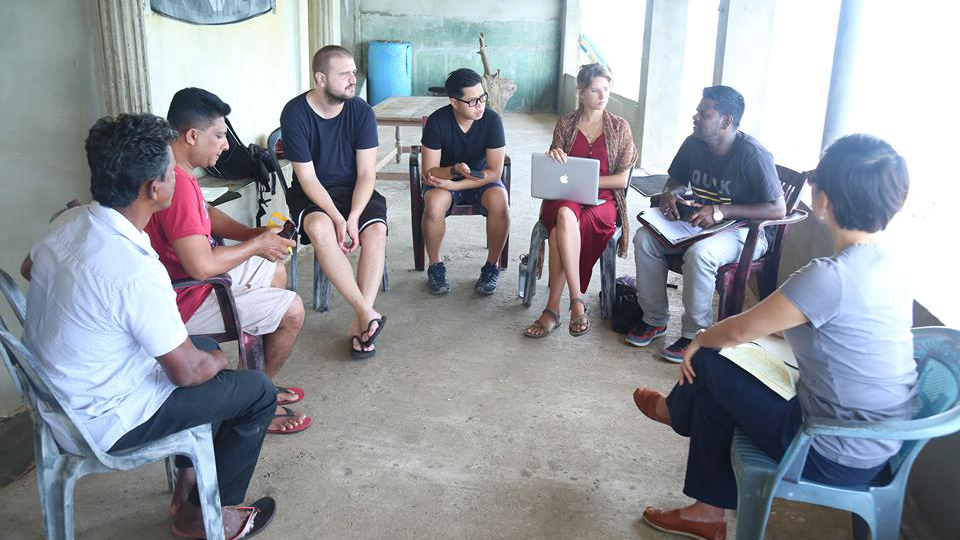
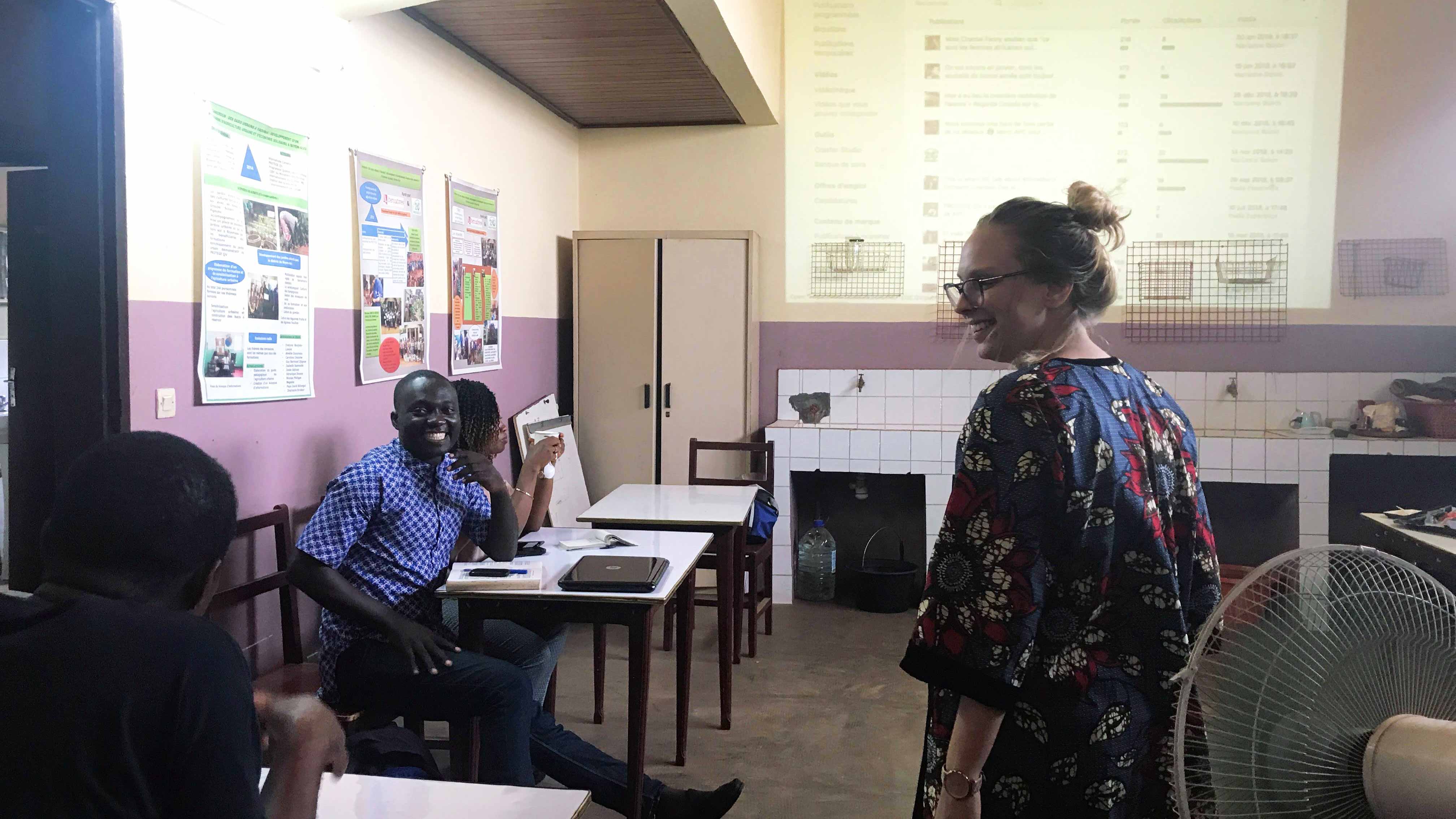
During their overseas internships, young people work with women and men from different backgrounds to explore the potential of digital technologies as a tool for social change. The issue of digital technologies and gender equality is at the centre of their work.
Upon their return, training and reintegration activities strengthen their employability and help promote international solidarity among the Canadian public.
The partners in the field are numerous and do inspiring work. Association for Progressive Communications, a partner in South Africa, uses technology to promote gender equality. APC is the South African partner, but also an umbrella organisation for this initiative, which hosts several interns per year. Its campaign “Take back the Tech”, taken up by several of its members, calls for people to take ownership of technology to end violence against women, including violence committed through the internet and social networks. APC also works on internet governance and supports advocacy for better management of computer waste, an issue of growing concern in many countries in the North and South. One World Platform, an APC member in Bosnia and Herzegovina, teaches women how to make better use of the internet and social media to promote their candidacy in local elections. In Uganda, WOUGNET seeks to democratise access to information for women living in rural and urban areas, strengthen the sharing of experiences and improve the quality of life of these women. In Malaysia, the Sinar Project partner wants to use digital technologies to map forest areas to help preserve the environment.
Year(s)
2018–2021Region(s)
Sub-Saharan AfricaLatin America and Caribbean
Europe
Asia
Share
Objectives
The IYIP aims to increase the participation of young Canadian women and men in the labour market, including the area of international solidarity.
At the end of the project, it is hoped that:
- Increased efforts will have been made by young Canadian interns (women and men) to ensure that they find employment through their internship experience, including in the international field
- Young Canadian interns (women and men) will have greater participation in solidarity efforts in Canada and abroad, as citizens who are aware of the importance of achieving the effectiveness of human rights and gender equality.
Partners
Overseas Partners:
South Africa: APC, Media Monitoring Africa, Right2Know
Bosnia: One World Platform
Cameroon: Protège QV
Tunisia: FTDES, Access Now
Colombia: Colnodo
Morocco: FMAS
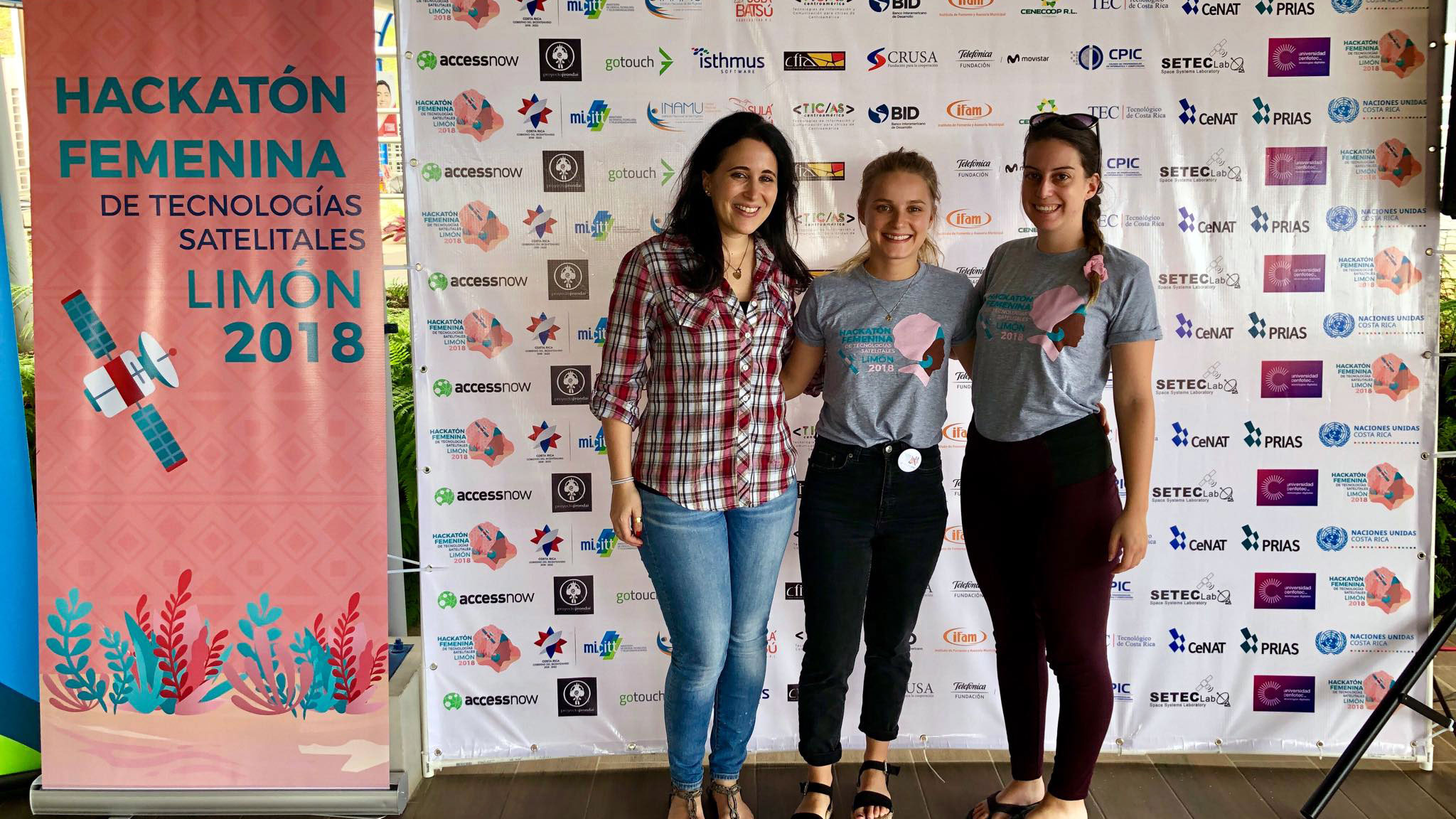
Costa Rica: Access Now, Sula Batsù
Philippines: Foundation for Media Alternatives
Sri Lanka: NAFSO
Malaysia: Sinar Project
Uganda: WOUGNET, CEIMCOD, SIHA
Quebec Partners:
Funambules Médias
ESN514
Carrefour Jeunesse Emploi du centre-ville de Montréal
Activities
The program includes a variety of activities in Canada and in the internship countries.
Pre-departure training
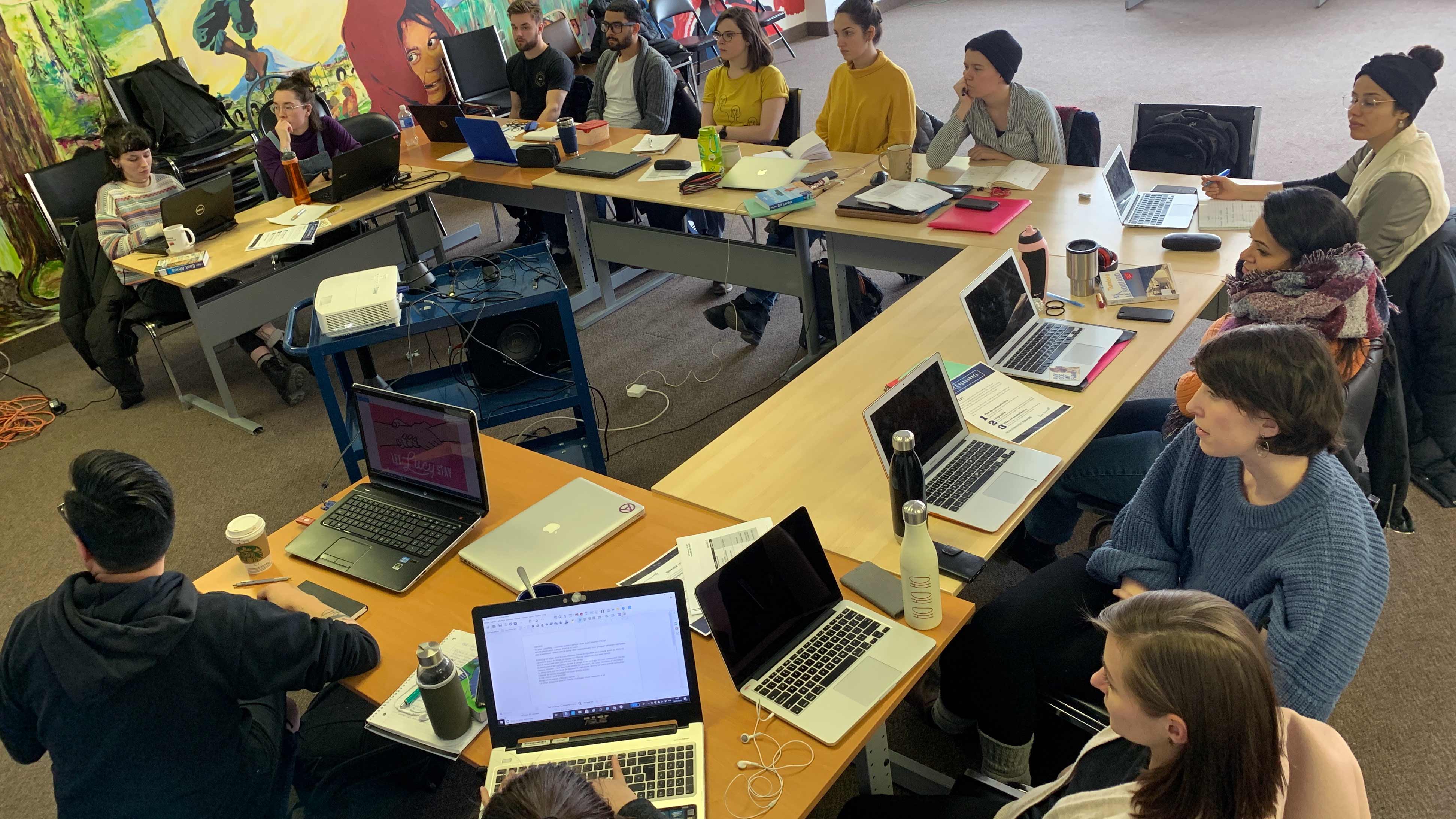
As part of the training program, interns are equipped with the practical aspects of digital technologies and their uses in the many facets of international solidarity. To encourage the participation of trainees from outside Montreal, a course on communication rights and issues, custom-designed by TÉLUQ, is offered remotely. In addition, a second block of training aims to prepare trainees for an enriching experience in an international context. This training addresses issues of international solidarity, including the environment, governance and gender equality, working in an intercultural context, including culture shock and gender dynamics, as well as issues related to health and safety in an international internship context. This comprehensive and high quality pre-departure training also includes a one-day community internship with Montreal associations and the completion of a practical personal project to synthesize what has been learned.
Upon return
Upon their return, the interns are invited to take a training course on employability set up with the Réseau des carrefours jeunesse-emploi du Québec.
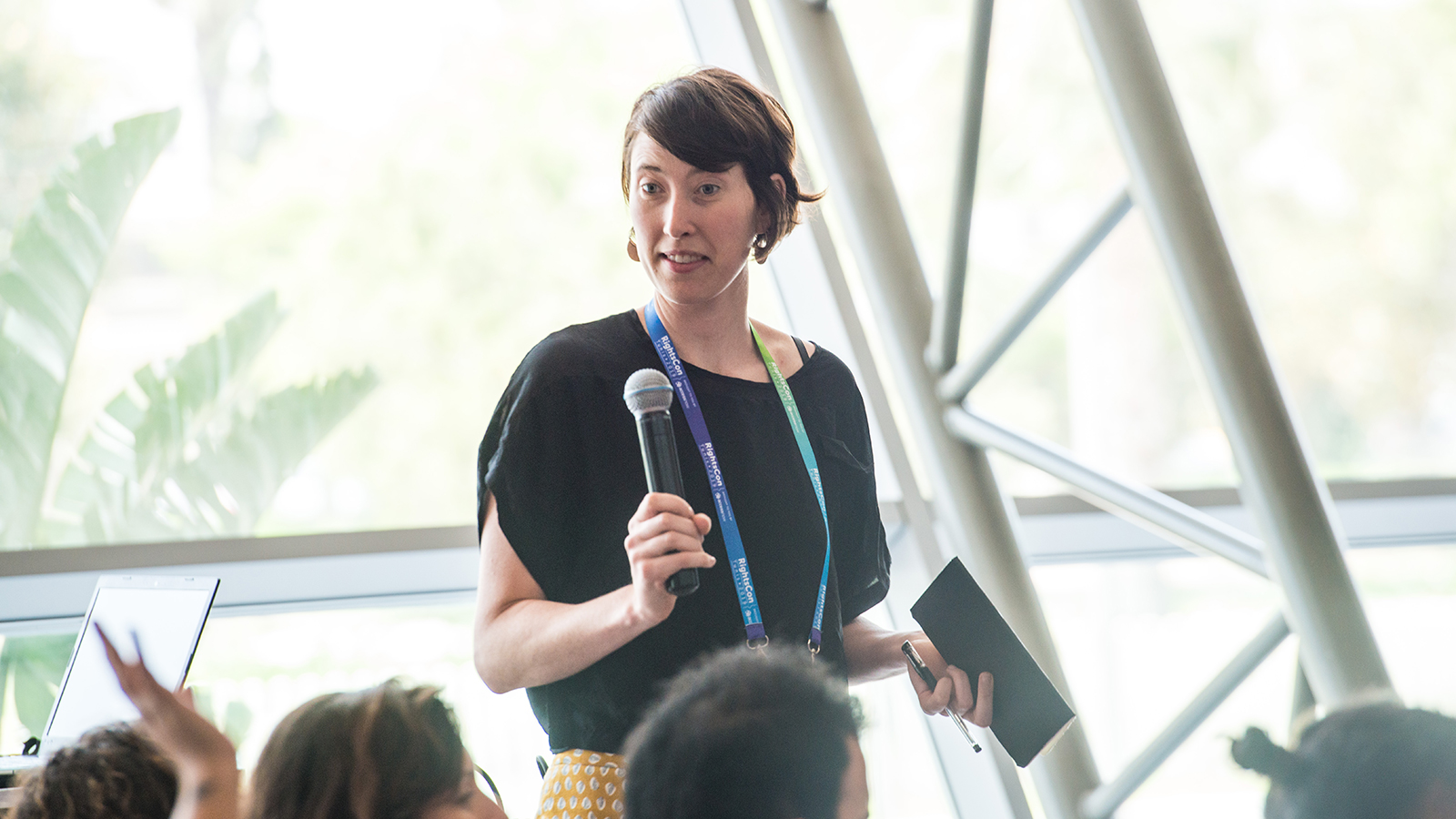
Each year, an online discussion forum, moderated by the Association pour le progrès des communications (APC), invites all stakeholders in the initiative to share lessons learned, tools and best practices.
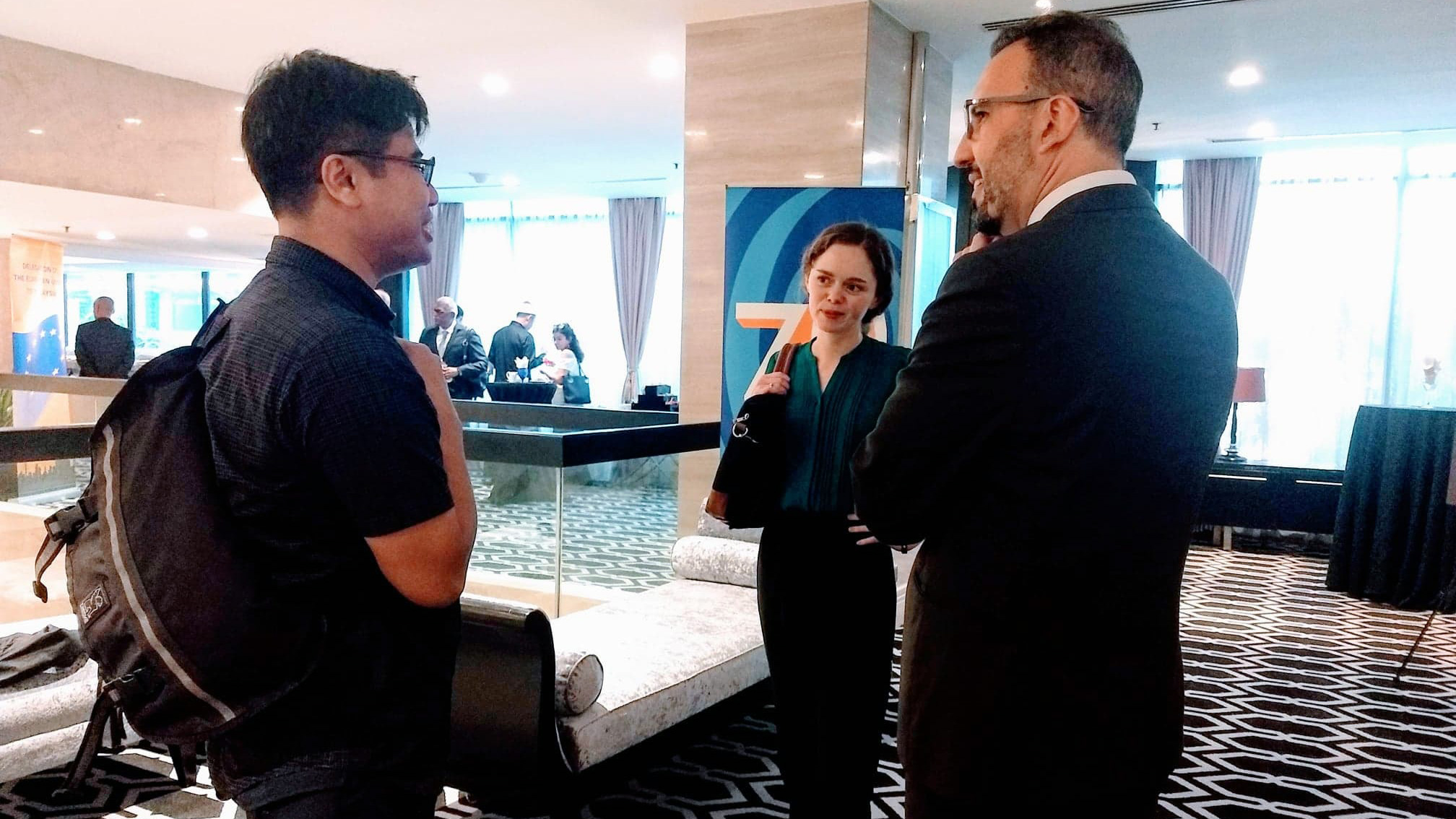
In an effort to raise awareness of job opportunities and networking, the project also offers a meeting with people from diverse backgrounds to discuss the role digital technology plays in the context of human rights protection and humanitarian assistance.


Impacts of the project
Pas d'articles avec ces critères...