
‹›
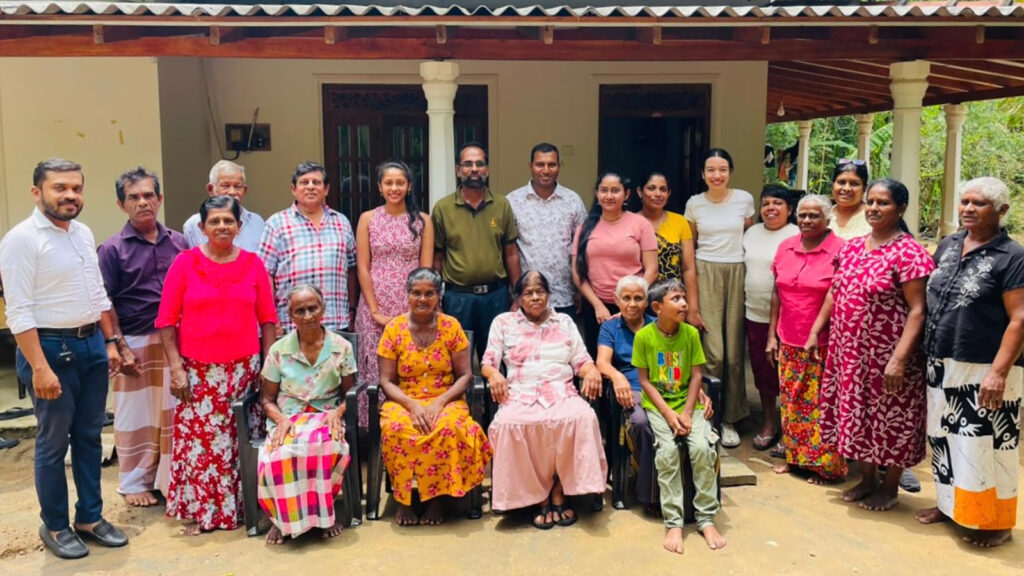
In the villages of Kurunegala district, Sri Lanka, groups of empowered women are working to support each other and their communities after Cyclone Ditwah. Their lives are difficult: marked by poverty, a high vulnerability to climate change, and rigid gender norms. But through fundraising, entrepreneurship, and event planning, these women are transforming their lives and their communities one meeting at a time.
11 March 2026
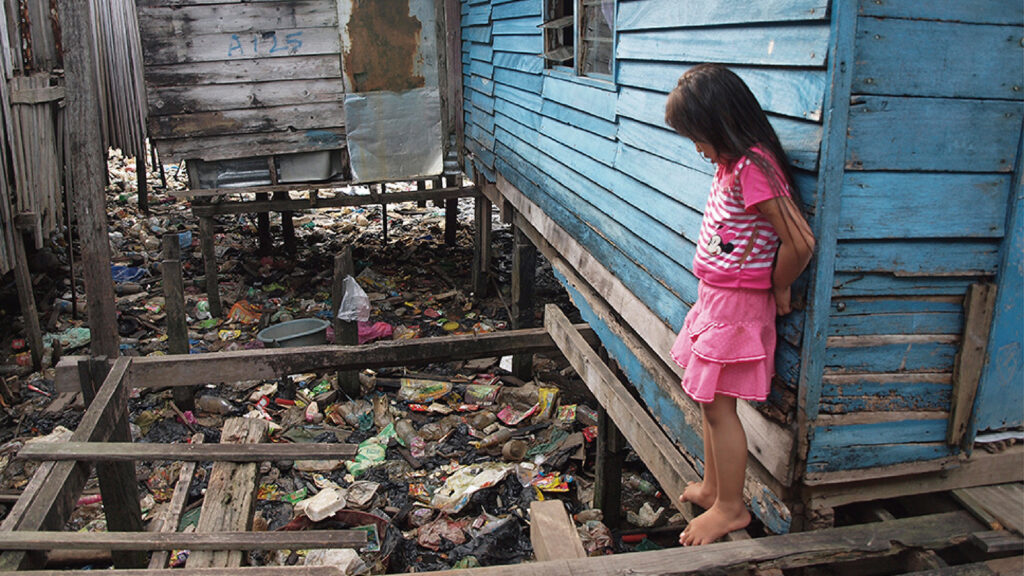
Canadian Cleanliness is Built on Malaysian Garbage
Malaysia is one of the Asian countries that, for several decades, has been the victim of waste exports from the West, across all sectors. Canada participates in this migration of its own waste to Malaysia, but the country is putting policies in place to stop serving as a dumping ground for rich countries.
13 January 2026
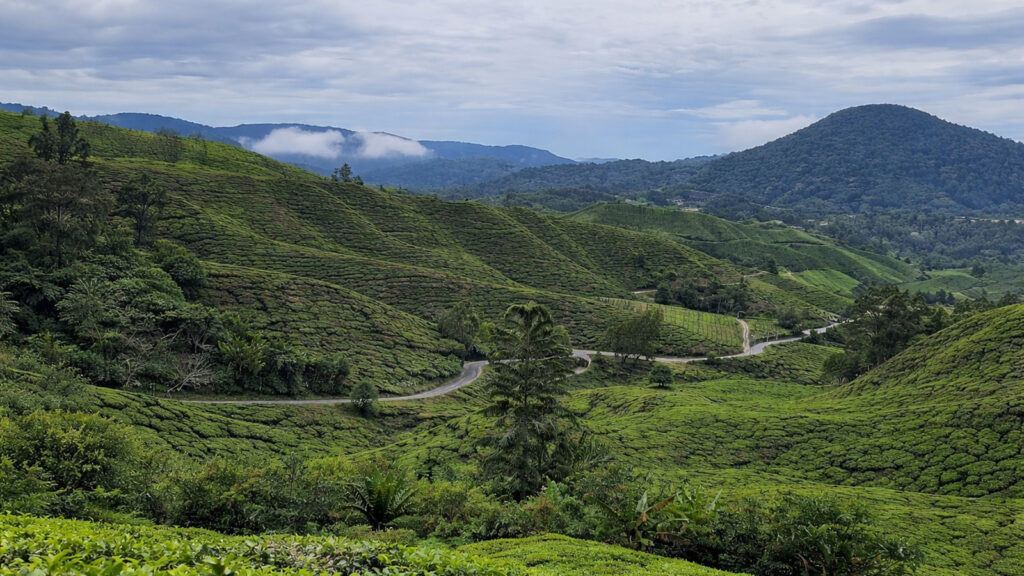
From Plantations to Kopitiams: The Colonial Labor System That Still Shapes Malaysia’s Traditional Flavors – Part 2
The second part of this article will seek to bring these historical continuities to life through contemporary accounts from plantation workers and an analysis of today’s major agro-industrial players. Finally, it offers a critical reflection on the very concept of culinary heritage in Malaysia, examining the tensions between nostalgia, colonial legacy, and social justice.

6 January 2026
From plantations to kopitiams: the colonial labor system that still shapes Malaysia’s traditional tastes – Part 1
In Malaysia, culinary traditions still conceal a troubled colonial past marked by the exploitation of workers, many of whom were migrants. This Southeast Asian country is also a victim of an export-oriented agro-industrial sector, particularly through the monoculture of palm oil. These historical continuities thus link the country’s contemporary culinary heritage to a colonial legacy that continues to shape the present.
16 December 2025
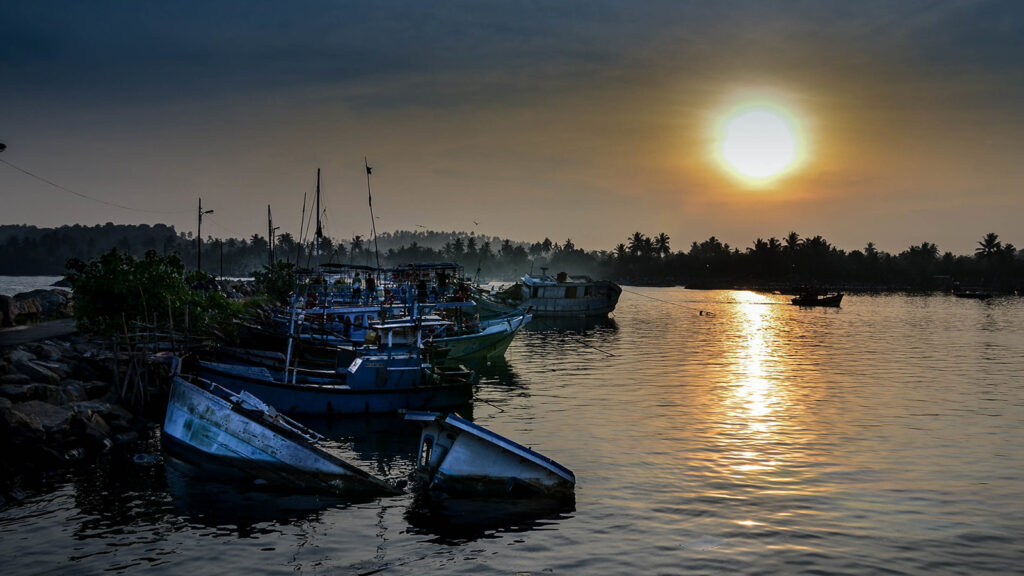
Rising Tides, Shrinking Coasts, and Sinking Rights: Climate Crisis and the Struggles of Fisher Peoples
For the world’s 600 million fisher peoples, the climate crisis presents not just a future threat but an immediate, daily violation of their most basic human rights. Rising tides, warming and acidifying waters, and extreme weather destroy the ecosystems that fisher peoples and indigenous coastal communities rely upon for food, livelihood, identity, and self-determination.
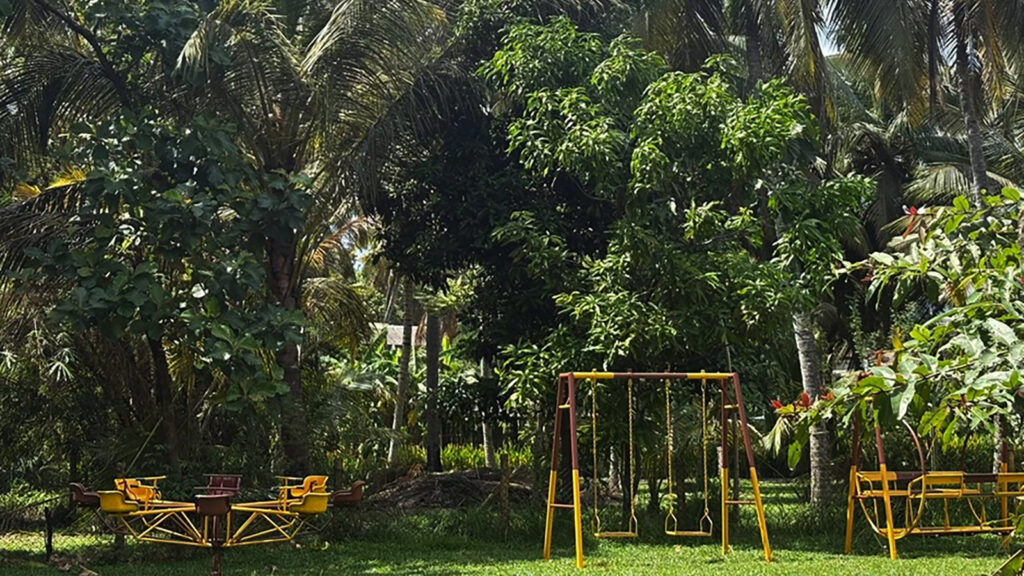
Food insecurity is a serious problem in Sri Lanka, particularly in the country’s schools. Despite a government support program aimed at combating hunger and malnutrition in schools, just under half of Sri Lankan schoolchildren receive assistance with their daily meals. The recent Cyclone Ditwah has exacerbated the situation. Sri Lanka needs international aid now more than ever.
9 December 2025
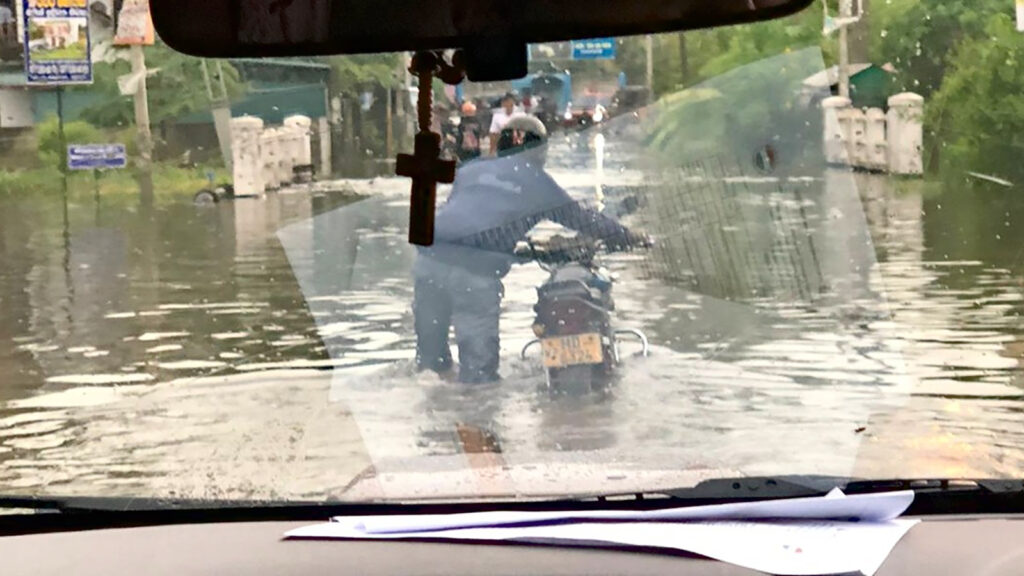
Sitting Through a Cyclone
When Cyclone Ditwah struck Sri Lanka, Ryan Andrew Ngai was an intern in Negombo with the National Fisheries Solidarity Movement (NAFSO), a local NGO that advocates for the rights of fishing communities. He recounts his experience and how fortunate he was, the massive damage in Sri Lanka, and the need for international aid to help the country recover.
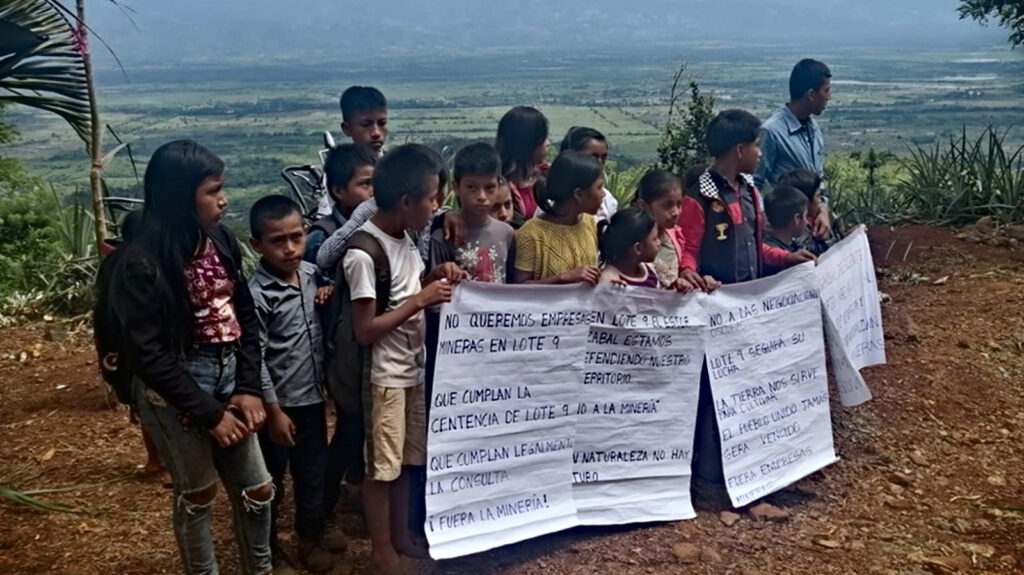
In Guatemala, as in other countries in Central and South America, communities are fighting against the very serious impacts of mining extractivism, mainly by Canadian mining companies which, often with the help of governments, violate the rights of local populations behind false promises of economic development.
‹›