
Empowerment of women and adolescent girls in the informal sector in Honduras

Photo credit : FOTSSIEH
Description
Contextualization
The security situation in Honduras in 2024 remains complex and worrying. Despite some efforts by government authorities and although statistics show a slight decline in the rate of homicides and femicides, the country remains one of the most violent in the world. This violence is largely due to the influence of maras (organized groups) and gangs, which contribute to organized crime, drug trafficking, extortion, and gender-based violence.
In 2023, the homicide rate was 34.5 per 100,000 inhabitants, with an average of 280 homicides per month. Violence against women has increased significantly, with a 24.2% rise in femicides compared to 2022. In addition, firearms remain the primary weapon used in homicides, involved in more than 74% of cases according to a report by the Center for Women’s Rights CDM.
In 2024, violence in the country remains a challenge, with more than 3,617 homicides recorded between January and August, of which 167 were femicides and 18 women died as a result of multiple homicides, bringing the total number of women killed since the beginning of the year to 185. Although efforts have been made through measures such as the state of emergency, issues such as impunity, which stands at 96%, persist and limited control of organized crime in certain areas such as San Pedro Sula and the central district, which remain the cities with the highest rates of violence.
According to the Honduran Secretariat for Human Rights (SEDH), sexual assault is the most common form of gender-based violence, meaning that women who are victims of it are unlikely to seek or obtain basic protection. The World Health Organization (WHO) reports in its global statistics that at least 30% of women have experienced some form of violence at some point in their lives, and that approximately 2% have been victims of sexual violence.
Communities face multiple sources of threats and violence, including maras and gangs, traffickers, and common criminals. Criminal gangs and other actors are currently responsible for forced displacement in Honduras, with approximately 247,000 people internally displaced.
In Honduras, women represent 53.3% of the total population, and 38.2% of households are headed by women. According to data from the National Institute of Statistics (INE), approximately 60% of women are part of the informal economy and choose to start small businesses to provide for their families. The unemployment rate among women is 8.1%, compared to 4.2% among men.
All these situations of insecurity reduce the chances of accessing decent employment for the majority of the population, particularly for women. According to the International Labor Organization (ILO), women’s chances of accessing decent employment are low, if not non-existent, due to several factors, such as:
- Gender gap in employment: Women face higher rates of unemployment and underemployment than men.
- Workplace discrimination: Women often face lower wages, even when they hold positions with greater responsibility or management roles.
- Unpaid workload: Women generally bear a greater share of unpaid domestic and care work, which limits their opportunities to participate in the formal labor market.
- Limited access to training and education: Barriers to accessing education and vocational training also affect their chances of obtaining well-paid jobs with good conditions.
- Gender-based violence: GBV remains a significant barrier to women’s development in the informal economy, as they are the primary victims of sexual harassment, intimidation, discrimination, and other forms of abuse.
It is therefore essential to implement preventive initiatives that promote safe and violence-free environments, enabling women to develop their entrepreneurial potential in an environment that is favorable to them.
Violence prevention, training, and capacity building are essential elements in managing forms of women’s empowerment in the informal economy in Honduras. By addressing these aspects holistically, it is possible to create an environment conducive to women’s access to economic opportunities, their protection from gender-based violence, and their empowerment as agents of change within their communities.
Year(s)
2024–2027Region(s)
Latin America and CaribbeanLieu(x)
HondurasShare
Objectives
The objective of the project, funded by the Quebec Without Borders program of the Ministry of International Relations and La Francophonie – International Solidarity, is to support the activities of the Comprehensive Care Center for Women Entrepreneurs (CAIME) established by Alternatives in 2020 in Honduras as part of a project aimed at empowering women in the informal sector. CAIME operates from the premises of the Federation of Workers in the Informal Economy Social Sector (FOTSSIEH) in the city of San Pedros Sula and relies on a multidisciplinary team of professionals including doctor, psychologist, lawyer, and FOTSSIEH volunteers. CAIME offers free and ongoing services to women in the informal sector. These services are made possible by voluntary contributions from members of organizations affiliated with FOTSSIEH. However, resources are very limited. That is why this initiative aims to support all activities for a period of two years (2024-2026) ensuring the continuation of its services, particularly to women in the informal economy sector.
CAIME takes a comprehensive and multidisciplinary approach to effectively meet the needs of victims and promote their recovery and empowerment through the following three intervention strategies:
1 – COMPREHENSIVE RESPONSE TO VIOLENCE
- Psychological support
- Medical care
- Legal advice and assistance
2 – TRAINING PROCESS
- Prevention of gender-based violence
- Livelihoods
- Sexual and reproductive health
- Positive masculinities.
3 – COMMUNITY BUILDING / ADVOCACY
- Liaison and coordination with local government
- Training processes for local authorities and NGOs
- Community awareness and prevention campaigns
- Capacity building for leaders in positive masculinity and women leaders in the field of gender-based violence.
1 – COMPREHENSIVE SUPPORT FOR PSYCHOLOGICAL, MEDICAL, AND LEGAL VIOLENCE OF A SEXIST NATURE
Women and girls face threats of violence both within their homes and in their communities. Within the home, this takes the form of domestic violence. Harmful patriarchal norms, poverty-related stress, and toxic masculinity are the drivers of domestic violence.
At the same time, protective factors have weakened, particularly those related to access to sexual and reproductive health information and services, legal aspects, and psychosocial factors. For this reason, care is provided according to the following guiding principles:
Survivor-centered approach
A – Personalized attention: providing a safe space where survivors feel comfortable and respected, and where they receive care tailored to their individual needs.
B – Confidentiality: ensuring survivors’ privacy in order to foster trust and encourage them to share about their experiences.
C – Multidisciplinary intervention: a multidisciplinary team composed of professionals from different fields, such as psychology, law, and health, in order to offer a holistic approach that addresses all dimensions of violence.
- Psychological counseling: Providing psychological support and therapy services to help survivors overcome their experiences and develop coping mechanisms, recognize their situation as survivors of gender-based violence, enabling them to regain control, develop resilience, and end the violence they have suffered.
- Legal advice: Providing information and legal assistance on rights, complaint options, and legal proceedings.
- Health services: Ensuring access to medical care, including primary care and sexual and reproductive health services.
- Referral and follow-up system: Coordinating referrals to police, judicial, health authorities, among others.
D – Respect: All measures taken will be guided by respect for the choices, wishes, rights, and dignity of the survivor, who is in control of their own process.
2 – TRAINING PROCESS
Prevention of Gender-Based Violence
Crime reporting mechanisms and integrated support services for survivors of violence are often hindered by barriers and stigma, particularly when the perpetrator lives in the same household. Deficient reporting mechanisms and weak law enforcement systems prevent many women exposed to violence from receiving timely assistance, while impunity encourages further violence.
To this end, training courses and basic equipment on protection, referral, and reporting of cases of gender-based violence will be provided, enabling federation members to improve their knowledge of first response, the regulatory framework of national and international laws on gender-based violence, and the recognition of channels and referral of complaints.
Means of subsistence
Livelihoods highlight the link between economic vulnerabilities and vulnerabilities to gender-based violence. When women have no income, or have unstable or precarious incomes, or worse still, depend entirely on a man in their household, they become more vulnerable to violence in all its forms. Within the home, they have reduced bargaining power, often feel trapped and afraid to leave even in cases of violence, and often enter cycles of violence and dependency.
To address these challenges, participants will be connected to relevant government services and NGOs, and will receive guidance and follow-up support. Training workshops will also be provided to enable women to develop practical skills in areas such as business management, basic accounting, digital marketing, and business plan development. These efforts aim to promote economic self-sufficiency and advance economic justice.
Sexual and reproductive health
Recovering autonomy after experiencing gender-based violence often involves regaining control over women’s bodies and sexuality. Integrating sexual and reproductive health helps women regain control over their bodily and reproductive decisions, which is essential to their empowerment and recovery.
Addressing the physical consequences for women who experience gender-based violence can be very helpful, as many women who experience gender-based violence may suffer from sexual health problems such as sexually transmitted infections (STIs) or unwanted pregnancies. That is why affiliates will benefit from awareness sessions that include information on prevention, detection and care, contributing to improved overall well-being..
Positive masculinities
Positive masculinities refer to the ways in which men promote relationships of equality and respect towards all people, regardless of their gender. These masculinities are based on empathy, kindness, and fairness, and are essential for challenging stereotypes associated with machismo and aggression.
Training programs on positive masculinities aim to encourage men to think critically about their roles, behaviors, and attitudes, as well as to promote models of behavior that prioritize nonviolence and respect. They are based on two approaches:
- Awareness raising: Creating spaces for dialogue and critical reflection where men can explore and challenge traditional gender norms.
- Prevention of violence: Providing men with tools and skills to identify and reject violent attitudes and behaviors, and to promote healthy relationships.
3 – COMMUNITY BUILDING / ADVOCACY
To prevent and combat gender-based violence, it is necessary to strengthen the capacities of both concerned individuals and their communities while reinforcing community leadership to enable a more timely and comprehensive response to the prevention and management of gender-based violence.
To this end, the following factors should be taken into consideration:
A – Liaison and coordination with local authorities:
Coordination with local authorities to ensure the effectiveness and proper implementation of policies to address gender-based violence. Joint efforts will be carried out with government and civil society actors working on the ground within communities, such as municipal women’s offices (MWOs), community development councils, patronages, churches, water committees, and women community leaders, in order to create a network of services. Mapping will be carried out to identify the allies needed to form a common front.
B – Approaches and coordination with other bodies:
Governmental and non-governmental entities such as Cuidad Mujer, INFOP, SEMPRENDE, SEMUJER, which work on various issues for the benefit of union members, in order to establish agreements of understanding.
C – Training processes for local authorities and key stakeholders:
Training will be offered to key governmental and non-governmental actors on the prevention, management, and mitigation of gender-based violence. This will improve initial response, the application of identification procedures, and case referral.
D – Community awareness:
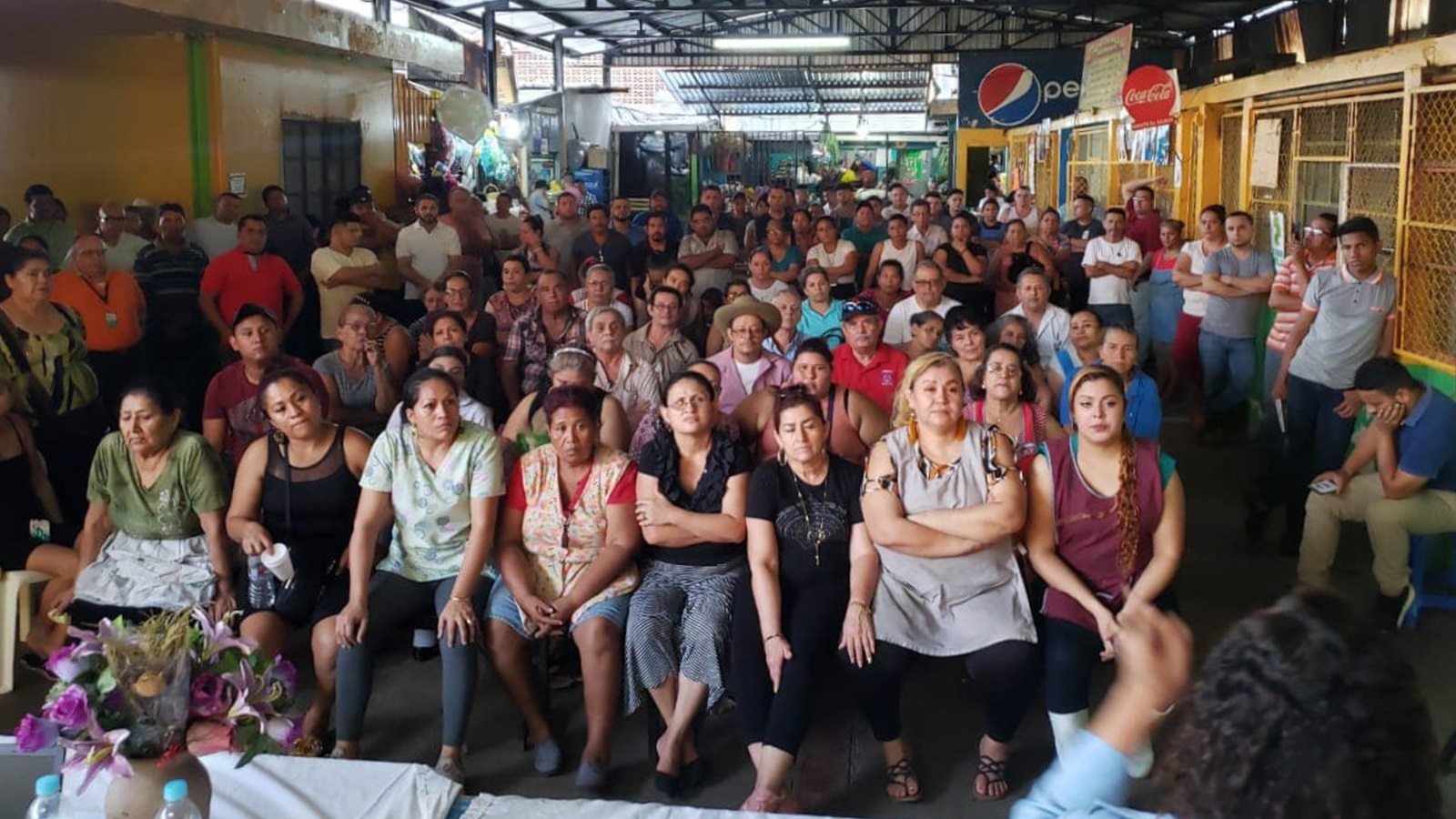
1 – Community awareness-raising processes will be put in place, focusing on topics such as: information on gender-based violence, including gender rights, the risks and types of gender-based violence, the consequences of violence on individuals, and where to file complaints. These actions will be carried out through information kiosks, prevention campaigns, fairs, forums, marches, hikes, and on commemorative dates such as January 25, March 8, November 25, the 16 Days of Activism for Human Rights, and the response to HIV, among others.
2 – Development of an information, education, and communication campaign (IEC), including the production of banners, leaflets, T-shirts, bags, caps, and other items bearing prevention messages. Participation in campaigns on local radio stations and social media, with the support of community leaders, to reinforce a zero-tolerance attitude towards gender-based violence, which is considered a serious violation of human rights.
3 – Promote, via the federation’s web pages, the services provided by CAIME and the activities it carries out, through:
https://www.facebook.com/fotssieh.sanpedrosula
https://www.instagram.com/fotssieh
E – Capacity building and leadership development in positive masculinities and focal points in the field of gender-based violence.
Male leaders promoting positive masculinities, along with female community leaders will be trained as focal points to support survivors of gender-based violence in a trusting environment and to strengthen positive masculinity processes.
Partners
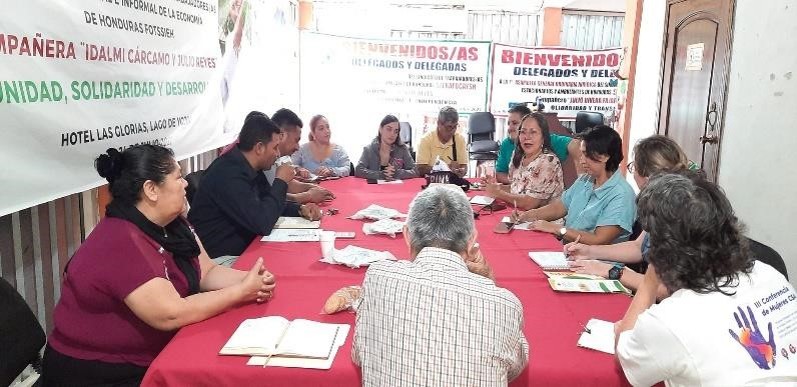
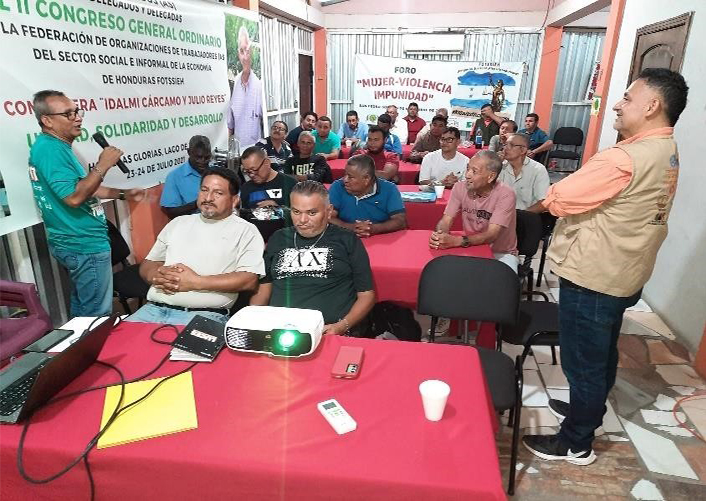
In Honduras, Alternatives works with the Federation of Organizations of Workers in the Social and Informal Sector of the Honduran Economy (FOTSSIEH), which was founded in 2001.
Affiliated with the Confederación Unitaria de Trabajadores (CUTH), FOTSSIEH brings together 42 associations in the country’s 18 departments and represents approximately 22,000 members (80% of whom are women). With a women’s secretariat, this trade union organization has developed a strategy to empower women within groups of self-employed workers.62
The Centro de Atención Integral para las Mujeres Emprendedoras (CAIME) was established by Alternatives in 2020 in Honduras as part of a project to empower women in the informal sector.
Activities
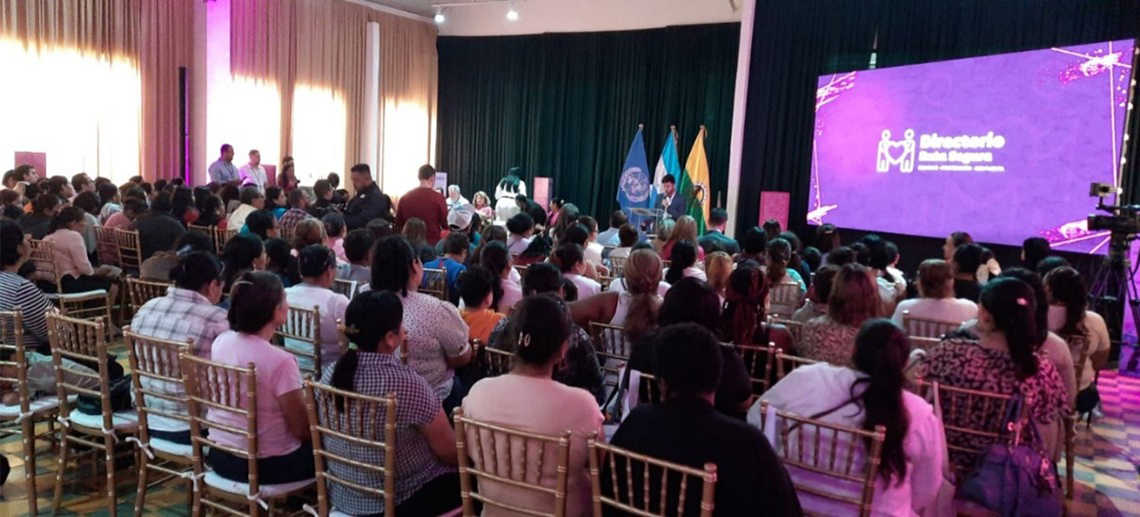
The program implemented a series of income-generating activities for mothers, enabling them to acquire skills and knowledge to develop sustainable livelihoods. These workshops included hands-on training in urban agriculture in the center’s model garden, guidance on meeting daily nutritional needs, and exploring additional sources of income such as marketing urban agricultural products or manufacturing products from recycled materials. For these young mothers, acquiring new skills and knowledge has yielded positive results, as they have gained the ability to provide adequate nutrition for their families without compromising their own consumption.

Impacts of this project
Pas d'articles avec ces critères...