
Strengthening the Economic and Social Rights of Women in the Textile Industry

© Alex Bédard
Description
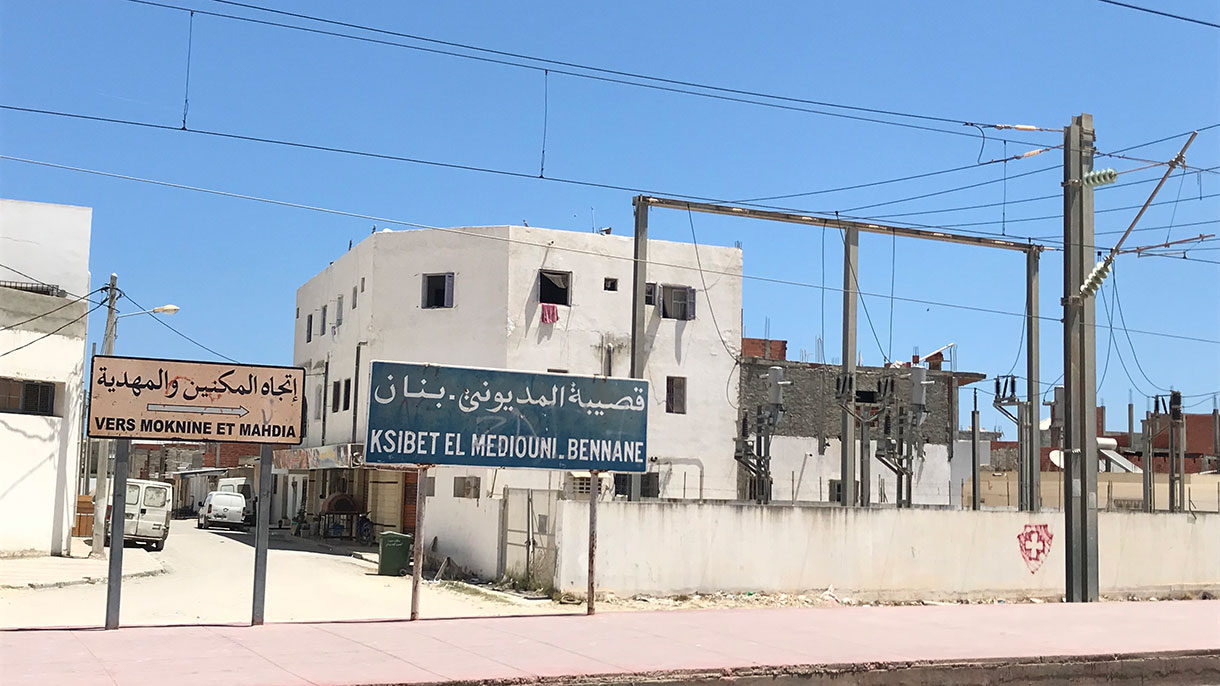
This three-year project is a continuation of an internship carried out in Monastir, Tunisia in 2015 in support of current textile workers and former textile workers in the region who have experienced socio-economic violence.
The textile industry in Tunisia, concentrated mainly in the triangle formed by the cities of Teboulba, Jemmel and Monastir, is the country’s third-largest economic sector and employs about 200,000 workers. According to a case study conducted by the Tunisian Forum for Economic and Social Rights (FTDES) in 2014, working conditions in these companies are precarious and workers’ rights are frequently violated. Women, most of whom are young, have limited literacy and come from underprivileged classes in the southern regions, make up 80% of the workforce. In cases of dismissal or relocation of production, they are often left without employment, compensation or medical coverage, despite their years of service with the company.
Since 2014, the FTDES section in Monastir has been advocating to the Tunisian government to uphold its commitment to protecting the rights of women textile workers, as enshrined in the Constitution of January 27, 2014 and in international conventions. Although the post-revolution context in Tunisia has made it easier to circulate information through various media outlets, FTDES education and advocacy campaigns do not always achieve the desired results among the population and public authorities due to limited tools, resources and expertise. It is therefore essential to support the education and advocacy efforts of the FTDES in Monastir in order to better inform the population about the realities faced by women textile workers and to promote greater protection of their socio-economic rights with the unions and the State.
The FTDES in Monastir supports current and former women textile workers through education and advocacy campaigns, as well as direct support provided by the listening centre for women victims of violence. Together with other Tunisian and international stakeholders – including the General Union of Tunisian Workers (UGTT) and the international collective Ethics on the Label – the association is currently engaged in advocacy to influence labour laws in Tunisia and Europe.
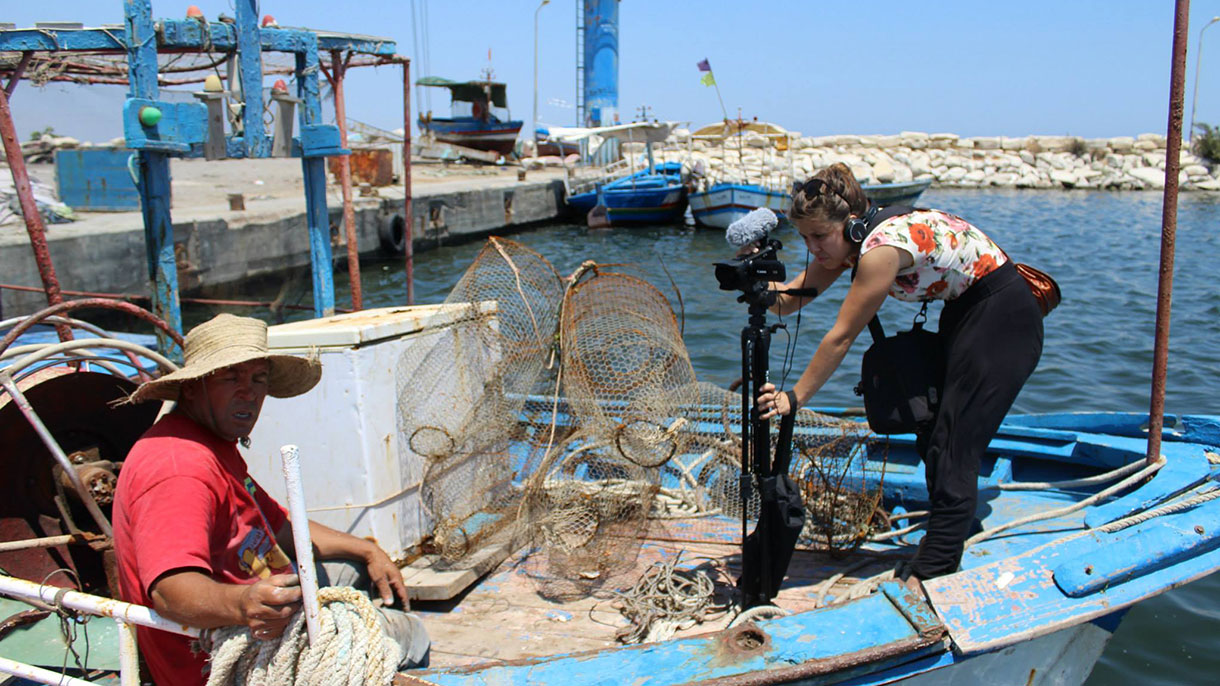
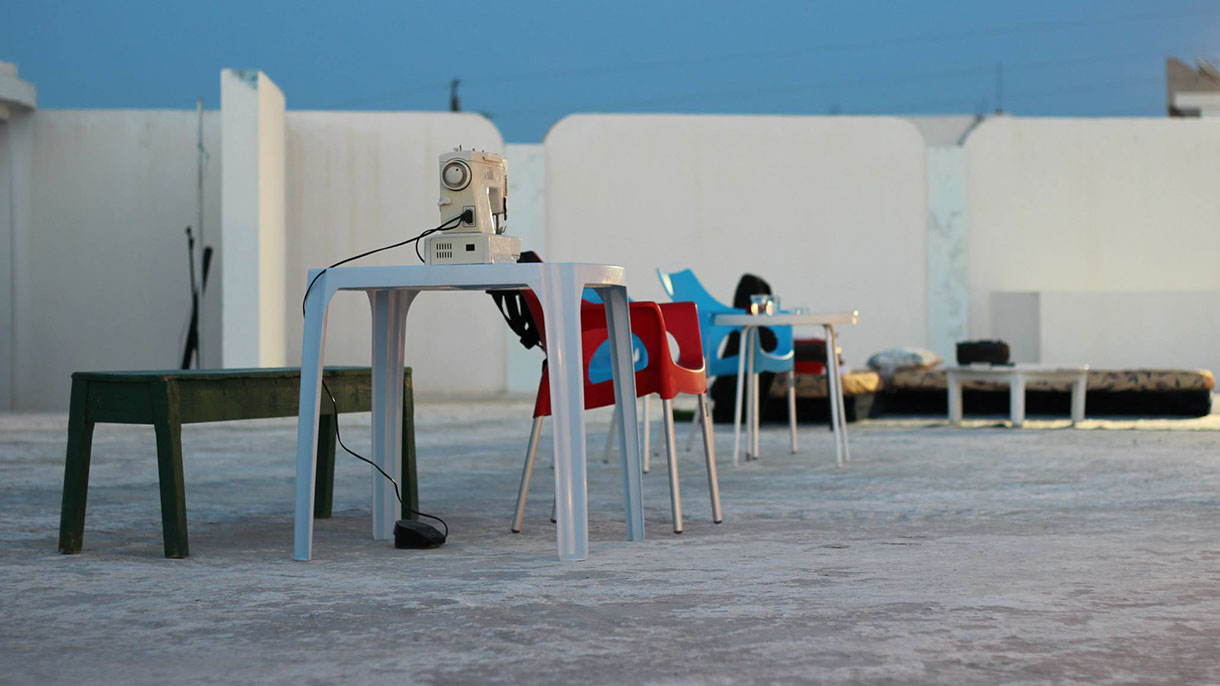
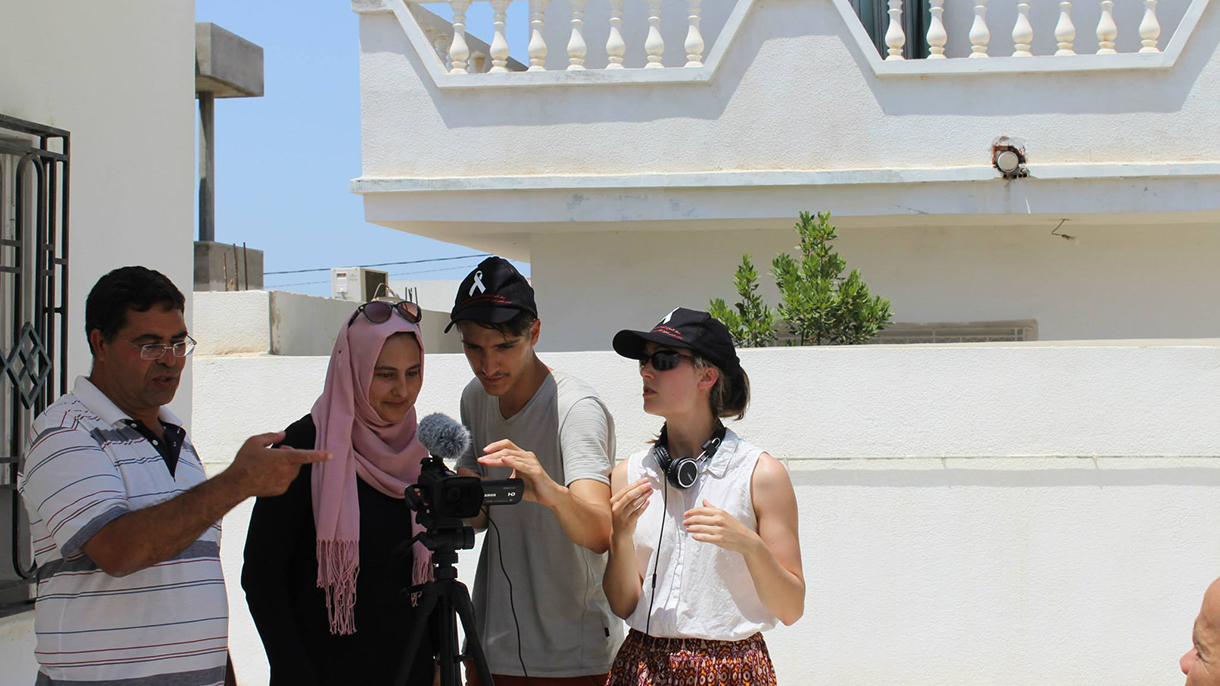
Working with women textile workers is more broadly part of the FTDES’s efforts to propose alternative development models that are more respectful of economic, social, cultural and environmental rights, with the broader objective of revitalizing the Monastir region. Since 2015, young people from Quebec have travelled to Monastir to work alongside the FTDES team to produce documentaries and other communication tools, organize various training sessions and contribute to the establishment of a social reintegration cooperative and other collective initiatives aimed at empowering women affected by socio-economic violence.
Young participants in the Québec Sans Frontières (QSF) program also contribute to activities aimed at enhancing the tourist and historical appeal of the region. Each year, through the reciprocity component of the program, QSF welcomes participants from the community of Ksibet in Monastir to Montréal. This provides an opportunity for young participants to acquire knowledge, skills and hands-on work experience with the social reintegration organization.
Objectives
Support the efforts led by FTDES in Monastir for the revitalization of the Monastir region and the empowerment of textile current and former textile workers.
Partners
In Tunisia:
The Tunisian Forum for Economic and Social Rights (FTDES) is an independent NGO dedicated to defending economic and social rights at both the national and international level. FTDES promotes the rights of workers, women, migrants and environmental rights. Its main office is in Tunis, the country’s capital, but FTDES also has regional divisions in Kairouan, Kasserine, Monastir and Gafsa, working closely with grassroots and community partners across the country.
In Quebec:
Funambules Médias produces socially conscious and engaging documentary films and provides training to community and non-profit organizations across Quebec. This worker cooperative, made up of experienced documentary filmmakers and technical professionals, possesses the expertise, experience and willingness to share its knowledge internationally.
Petites-Mains has been working for over 20 years to break the isolation of women in vulnerable situations (newcomers, single mothers, unemployed, etc.) through social and professional integration activities. The programs developed over the years will provide trainees with numerous opportunities to acquire new skills in three main areas: training, integration and production.
Activities
The project is structured around two main components: a target population component and a reciprocity component.
Activities under Component 1 (Target Population Component):
Pre-departure training for Quebec participants on the production of documentaries and on different approaches to the social and solidarity economy, production of documentaries and other communication tools on various themes related to FTDES priorities, training of trainers for FTDES members and volunteers, support for the implementation of a social reintegration centre and other empowerment activities for targeted women.
Reciprocity component:
Participate in activities organized by the organization Petites-mains and Alternatives, work on various projects managed by Petites-mains, participate in Alternatives’ training activities, meet with women’s groups and associations working in the social and solidarity economy sector.

Impacts of the project
Pas d'articles avec ces critères...