Promoting the right to education for all in West Africa
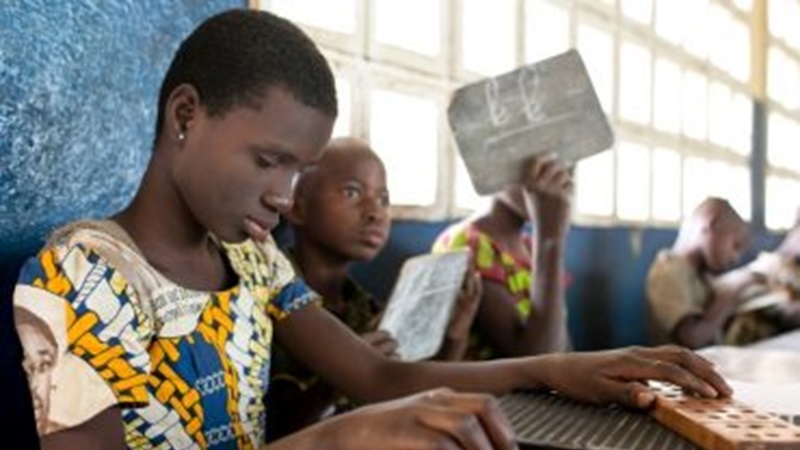
Photo credit : Tobin Jones. Original public domain
Description
The health crisis caused by COVID-19 has exacerbated disparities in the education sector and disrupted the lives of many of Africa’s most vulnerable children, young people, and adults. In several West African countries where the Africa Network Campaign on Education for All (ANCEFA) operates, school dropout rates have become endemic. In the post-COVID years, the shock to education systems will continue to affect an entire generation, extending beyond the education sector, and is likely to worsen with budget constraints and threats to development aid.
A project that fulfills the right to quality education (SDG 4)
The right to education benefits both individuals and society. It is fundamental to human, social, and economic development, is key to achieving sustainable peace and development, and has the power to realize the full potential of all people.
Enshrined in Goal 4 of the Sustainable Development Goals (SDGs), the right to quality education contributes to the empowerment of individuals, enables marginalized communities to escape poverty and exclusion, and is essential to the exercise of other rights.
ANCEFA grounds its advocacy work in promoting the right to public and accessible education for all in Africa. Among other goals, it works to facilitate the mobilization, planning, and use of local, regional, and international resources to achieve SDG 4, the Education 2030 Agenda, and the Continental Education Strategy for Africa.
Achieving SDG 4 is essential to attaining several other sustainable development goals. Beyond access to knowledge (a principle of sustainable development), it contributes to several other principles of the Sustainable Development Act, including “health and quality of life,” “equity and social solidarity,” “environmental protection,” “economic efficiency,” and “participation and engagement.”
ANCEFA’s programmatic work is rooted in the 2019–2023 strategic plan, which is organized around five pillars that contribute to the realization of human rights and gender equality: free, high-quality, inclusive, and relevant education; sustainable financing for education; promoting transparency and accountability; establishing protection and safety in schools; and strengthening institutional capacities and mechanisms for developing strong partnerships.
The first strategic pillar focuses on promoting quality, equitable, and inclusive education, with a particular emphasis on education for girls and persons with disabilities. As part of this work, ANCEFA is implementing the Priority to Equality initiative, which aims to develop gender-sensitive sector plans and integrate gender throughout the educational process, from planning to monitoring, including budgeting and implementation of sector plans. In addition, ANCEFA’s advocacy work follows a rights-based approach.
Finally, ANCEFA promotes equitable representation, with a particular focus on women and minorities, across all levels of the organization, from staff to governance bodies.
Year(s)
2021–2023Region(s)
Sub-Saharan AfricaLieu(x)
West AfricaShare
Objectives
The project, funded through the Québec Sans Frontières (QSF) program of the Ministry of International Relations and La Francophonie – International Solidarity, has three main objectives:
- Facilitate the implementation of initiatives to improve the living conditions of communities primarily in Francophone Africa, Latin America, and the Caribbean.
- Promote and consolidate the expertise of international cooperation organizations and their local partners.
- Promote the creation and maintenance of partnerships by encouraging the participation of women and the organizations that represent them.
More specifically, in the case of ANCEFA, the objectives are as follows:
- Provide the necessary support to female students and teachers in a post-COVID-19 educational environment through the project “Education for All Post-COVID – Reaching Girls and Professional Support for Teachers,” targeting several schools across several West African countries.
- Support initiatives promoting the right to education in countries where the organization operates.
- Sustain the “priority to equality” program, which focuses on integrating gender issues throughout the educational process.
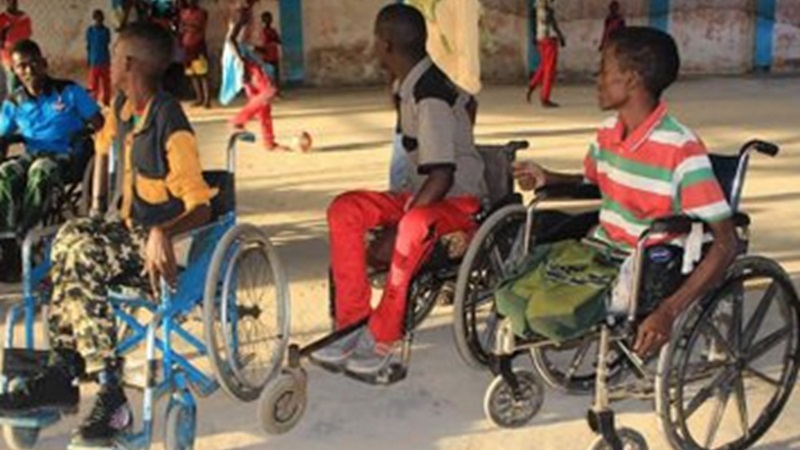
- Continue efforts to promote inclusive and equitable education, particularly for girls and persons with disabilities.
Partners
ANCEFA is a voluntary, non-partisan, non-profit network of national civil society organizations in Africa that champions the cause of quality education. ANCEFA works toward the emergence of an educated and strong Africa where education for all is a reality for children, young people, and adults, without any obstacles. ANCEFA therefore intends to contribute decisively to the emergence of a new African citizenship, an effective agent of change for the sustainable development of the continent as envisaged by the African Union in its Agenda 2063, as well as to the achievement of the United Nations 2030 Sustainable Development Goals. In its advocacy for quality education for all, ANCEFA emphasizes free education and campaigns for accessible and universal quality public education, especially for the most vulnerable communities, with a view to combating all forms of exclusion, marginalization, and inequality that persist in education systems.

Impacts de ce projet
Pas d'articles avec ces critères...