Supporting the defense of human, social, and environmental rights in Guatemala
Photo : Rene Hernandez via Flickr CC BY 2.0 - https://www.flickr.com/photos/renehernandezgt/49819437531
Description
In Guatemala, local populations affected by extractive activities, particularly indigenous communities, play a key role in defending environmental rights. These populations often lack the resources, information, technical capacity, and institutional support needed to prevail against extractive industries. The Collective’s work aims to inform and educate communities about human rights and the legitimacy of their claims, while also providing legal support when necessary and equipping them with tools to better document violations of their rights.
For nearly 15 years, our Latin America program has focused on supporting defenders of human rights and environmental rights, including indigenous peoples, who are fighting against poverty and social exclusion, and for rights, dignity, and environmental protection. It is within this context that we established our partnership with the Madre Selva Collective (CMC).
The Collective’s mission is to build alliances with communities, groups, and social movements to defend rights, life, territory, and natural resources by strengthening political, technical, and institutional capacities. The organization promotes ecological values and practices, defends the common good, and contributes to the development of initiatives that support dignified development based on the responsible use of natural resources and respect for the environmental rights of the Guatemalan people.
Like Alternatives’ own mission, Madre Selve’s mission lies at the intersection of climate, environmental, and social justice. Through sustained and strategic action, the Collective seeks to strengthen the full participation of Guatemalan communities in the development of sustainable and equitable solutions for the country’s development, as well as in decision-making processes related to the management of their natural resources.
Year(s)
2021–2024Lieu(x)
GuatemalaRelated Challenge(s)
Rights, dignity and social justiceClimate Justice and Ecology
Women and feminism
Share
Objectives
The project, funded through the Québec Sans Frontières (QSF) program of the Ministry of International Relations and La Francophonie – International Solidarity, has three main objectives:
- Facilitate the implementation of initiatives to improve the living conditions of communities primarily located in Francophone Africa, Latin America, and the Caribbean.
- Promote and consolidate the expertise of international cooperation organizations and their local partners.
- Promote the creation and maintenance of partnerships by encouraging the participation of women and the organizations that represent them.
Partners
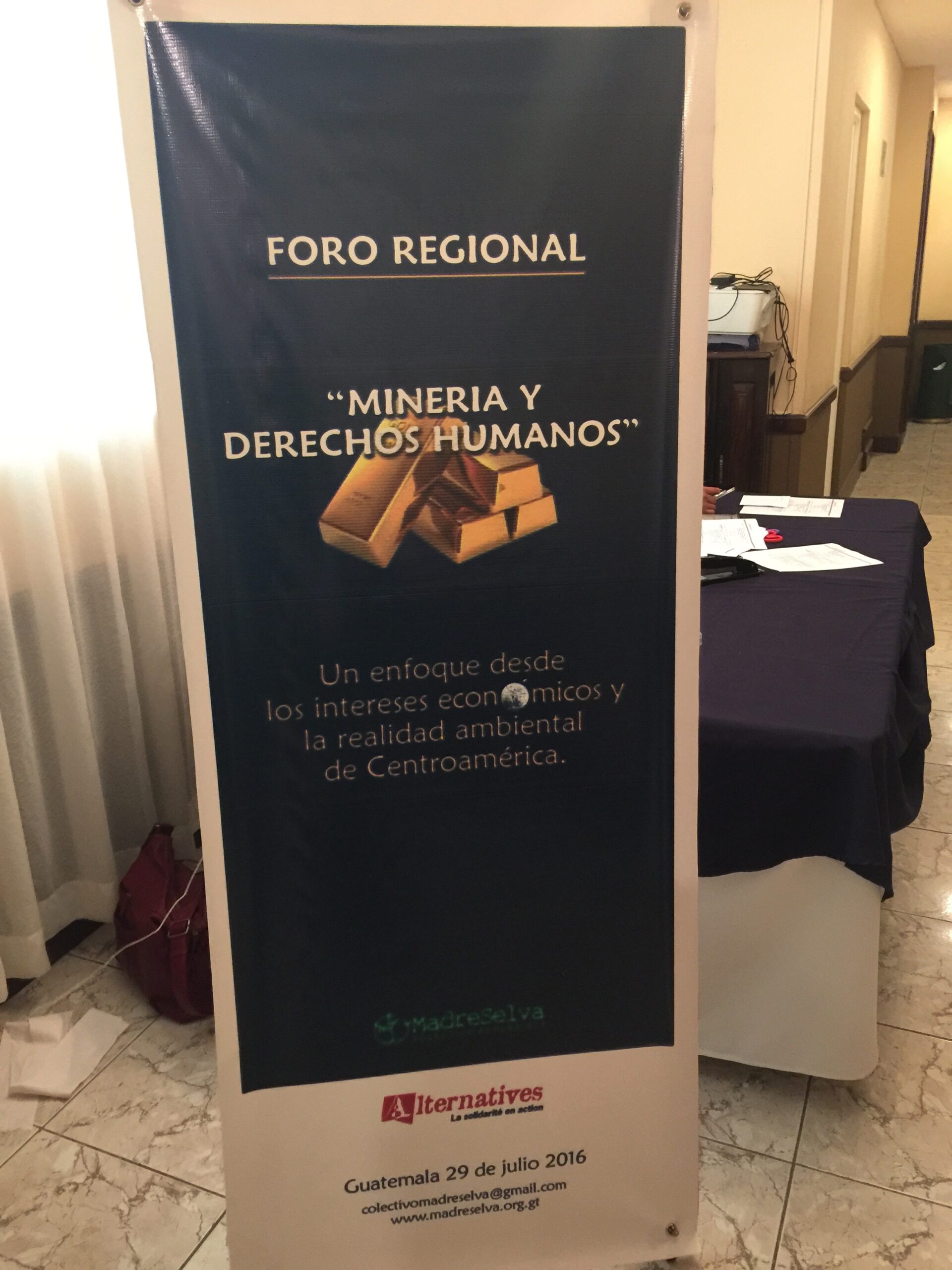
In Guatemala, Alternatives works with the MadreSelva Collective (CMS), founded in 1996. CMS’s mission is to build alliances with communities, groups, and social movements to defend rights, life, territory, and natural resources by strengthening political, technical, and institutional capacities.
CMS works to protect the environment and uphold human rights. Its goal is to inform and support communities in asserting their rights, particularly with regard to environmental issues.
To achieve this, the Collective:
- Leads campaigns on various issues such as access to water, mining, and mangrove protection.
- Promotes ecological values and practices, defends the common good, and contributes to initiatives that support dignified development based on the responsible use of natural resources and respect for the environmental rights of the Guatemalan people.
CMS structure consists of a general assembly, a board of directors, a legal department, a team of advisors, administration, the production team, and thousands of volunteer activists working together to respond to the needs and priorities of local communities. The organization operates with a democratic structure that includes a coordinating committee composed of three members elected every two years, as well as a management and administration committee.
The Collective works in six departments of the country (Alta Verapaz, Baja Verapaz, Jutiapa, Jalapa, Guatemala, and Santa Rosa). It relies on a multidisciplinary team of sixteen people (three engineers, an agronomist, a lawyer, a sociologist, an administrator, an accountant, and environmental specialists).


Impacts de ce projet
Pas d'articles avec ces critères...