
Objectives
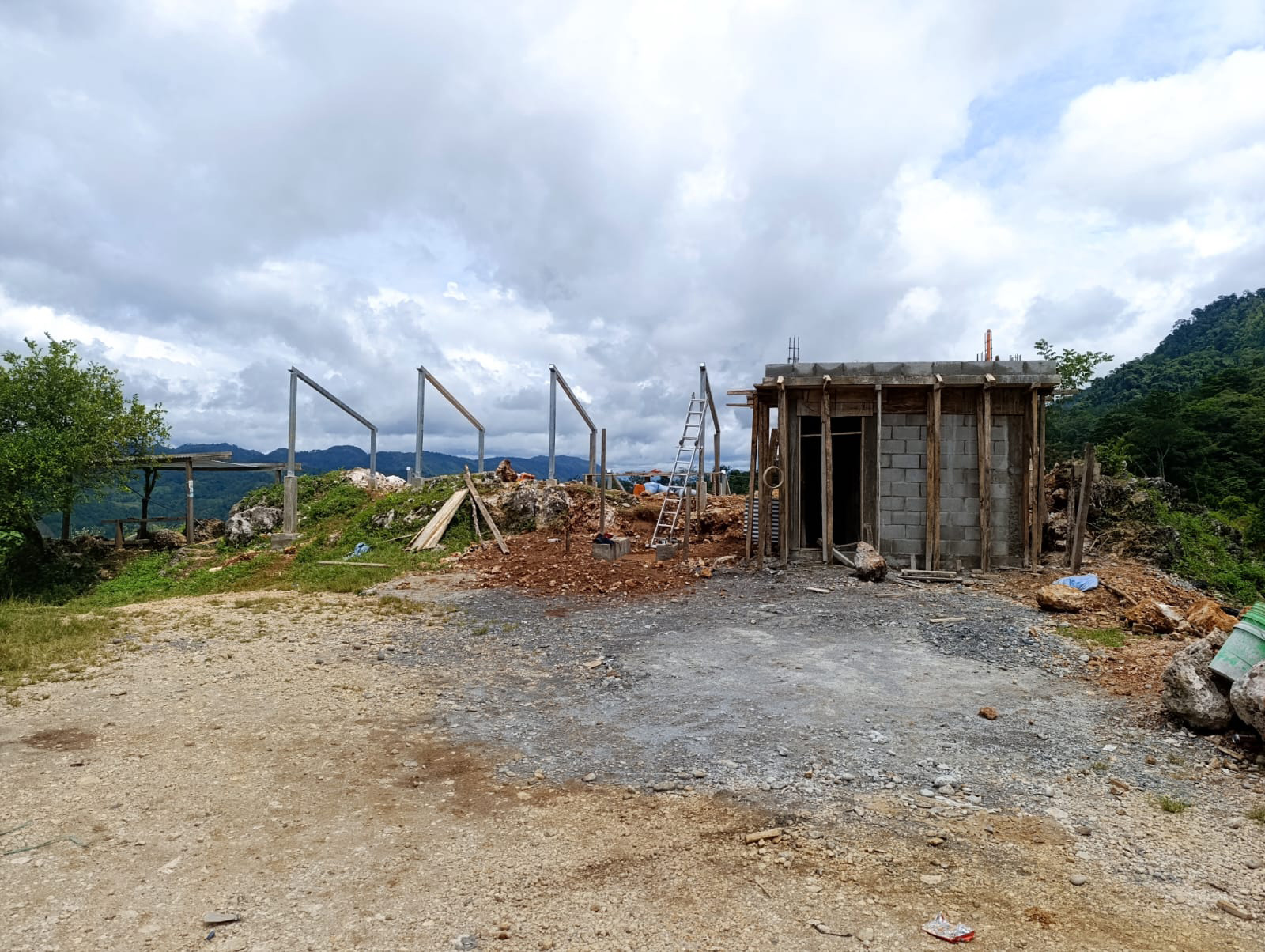
In the Los Copones micro-region, in the Zona Reina, municipality of Uspantán, in the department of Quiché, a hybrid energy system (hydraulic-photovoltaic) is under construction. The aim of the project is to supply electricity to eight communities, representing approximately 450 households (around 2,500 people), primarly from the Maya Q’eqchie’ people. The project is largely funded by the Valencian government, through the organization Periferies del Mundo. The current phase of the project supports the storage of energy from photovoltaic production using backup batteries.
Partners
The project is made possible through funding from Québec Sans Frontières (QSF), “an international solidarity program for Quebec-based international cooperation organizations. It aims to respond to the needs identified by partners in the countries targeted by the program and their communities, and seeks to give a voice in particular to women and young people in these organizations. The program also supports global citizenship education activities in Quebec.”
In Guatemala, Alternatives works with the MadreSelva Collective (CMS), created in 1996. The CMS’s mission is to build alliances with communities, groups, and social movements to defend rights, life, territory, and natural resources by strengthening political, technical, and institutional capacities.
CMS works to promote environmental preservation and respect for rights. Its goal is to inform and support communities in asserting their rights, especially with regard to the environment.
To achieve this, the collective:
- Leads campaigns on various issues such as access to water, mining, and mangrove protection.
- Promotes ecological values and practices, defends the common good, and contributes to the development of initiatives that support dignified development based on the responsible use of natural resources and respect for the environmental rights of the Guatemalan people.
The CMS structure consists of a general assembly, a board of directors, a legal department, a team of advisors, administrative staff, a production team, and thousands of volunteer activists working together to address the needs and priorities of local communities. It operates with a democratic structure that includes a coordinating committee composed of three members elected every two years, as well as a management and administration committee.
The collective operates in six departments of the country (Alta Verapaz, Baja Verapaz, Jutiapa, Jalapa, Guatemala, and Santa Rosa). The Collective relies on a multidisciplinary team of sixteen people (three engineers, an agronomist, a lawyer, a sociologist, an administrator, an accountant, and environmentalists).
Activities
Alternative Modes of Living
New models of production, reproduction, consumption, and culture contribute to more dignified lives for communities and peoples, through responsible and sustainable self-management of land and natural resources. These models promote the following elements:
- Implementation of diversified energy production systems at the inter-community level, with a capacity exceeding 100 kW.
- Training of professional teams specializing in maintenance, administration, and environmental management, operating on an inter-community basis.
- Community organization highlighting that new power relations are controlled by communities through their assembly systems and contribute to conflict management.
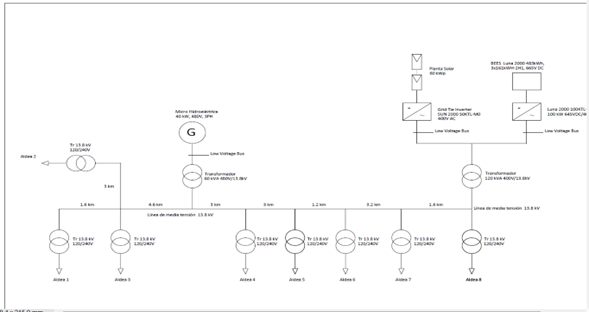
The proposed hybrid energy production system consists of two components: a small hydroelectric power plant that will generate 40 kW and a 60 kW photovoltaic field that will be supported by batteries charged by both types of energy production. The system will produce a total of 100 kW, with a current demand of 35 kW and a future demand over 20 years of 62 kW.
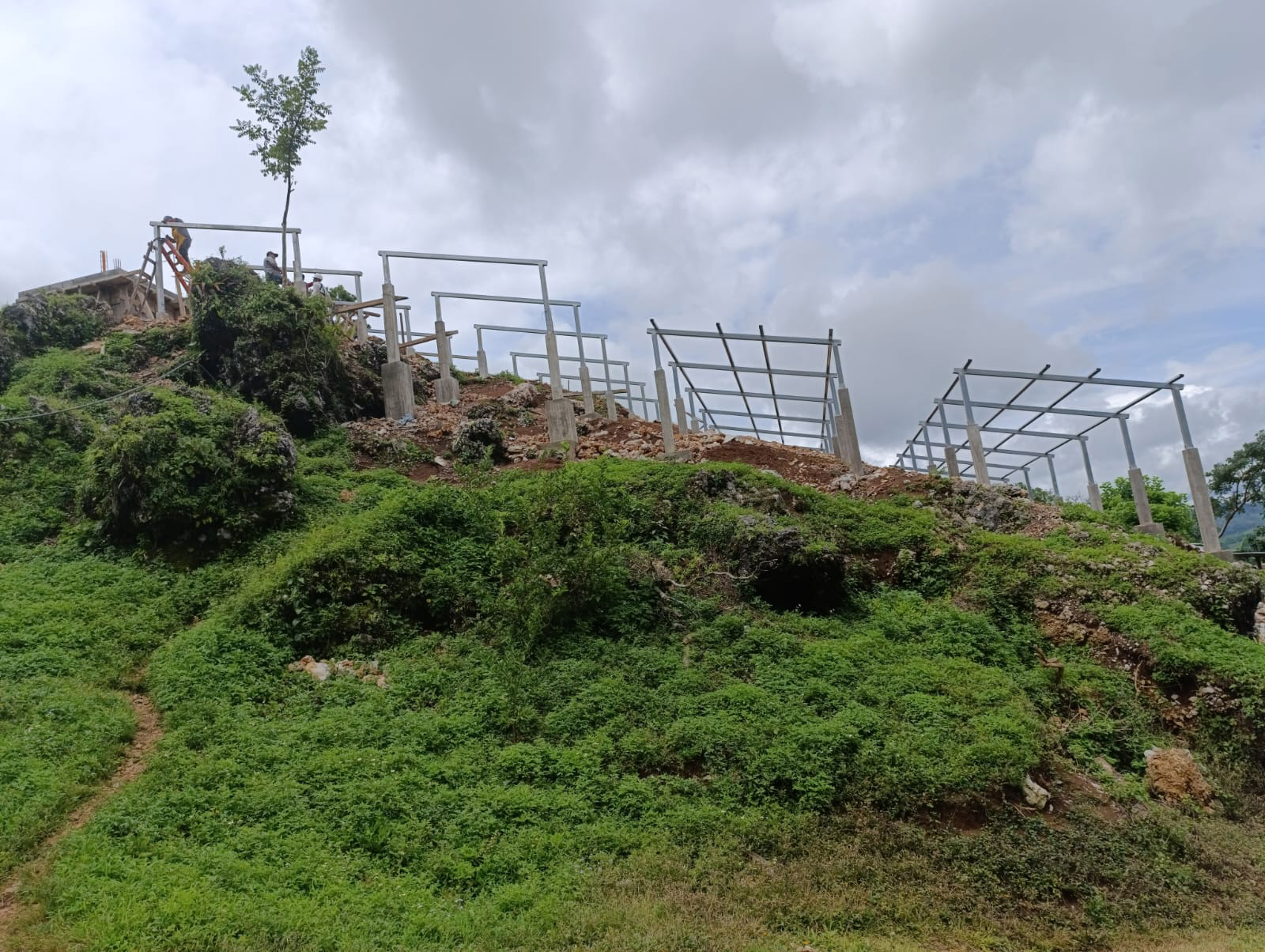
Photovoltaic production field: a photovoltaic generator of at least 60 kW will be built as a complementary component, taking into account the fact that in the future, due to climate change, river flow will become irregular, as is already the case. The system will have to operate as indicated in the single-line diagram in the “Documentation” section.
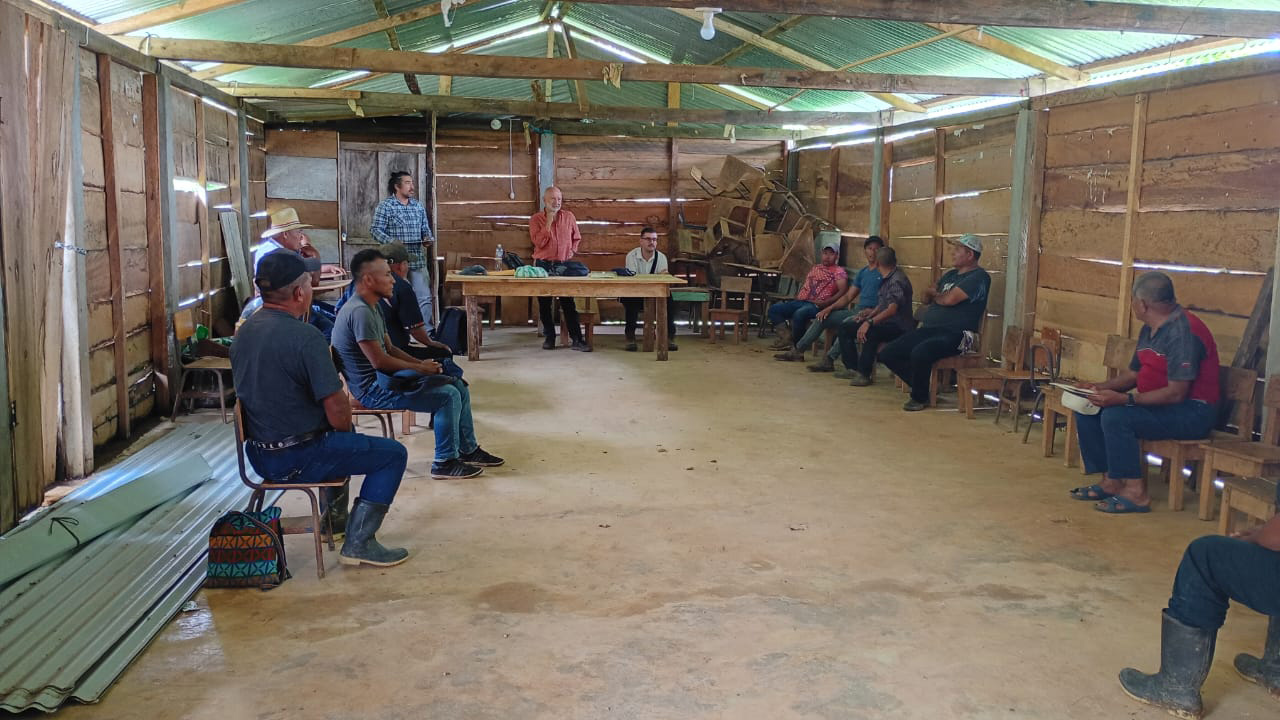
The project financed by Alternatives will contribute to the operation of the hybrid electrical energy system that will benefit eight communities in the Zona Reina region, in the municipality of Uspantán, department of Quiché. The system will be managed and operated by the neighbors of the communities, and people from the communities will be trained in electricity and mechanics. Administration and maintenance will be provided by the board of directors and assembly of a cooperative currently being established.
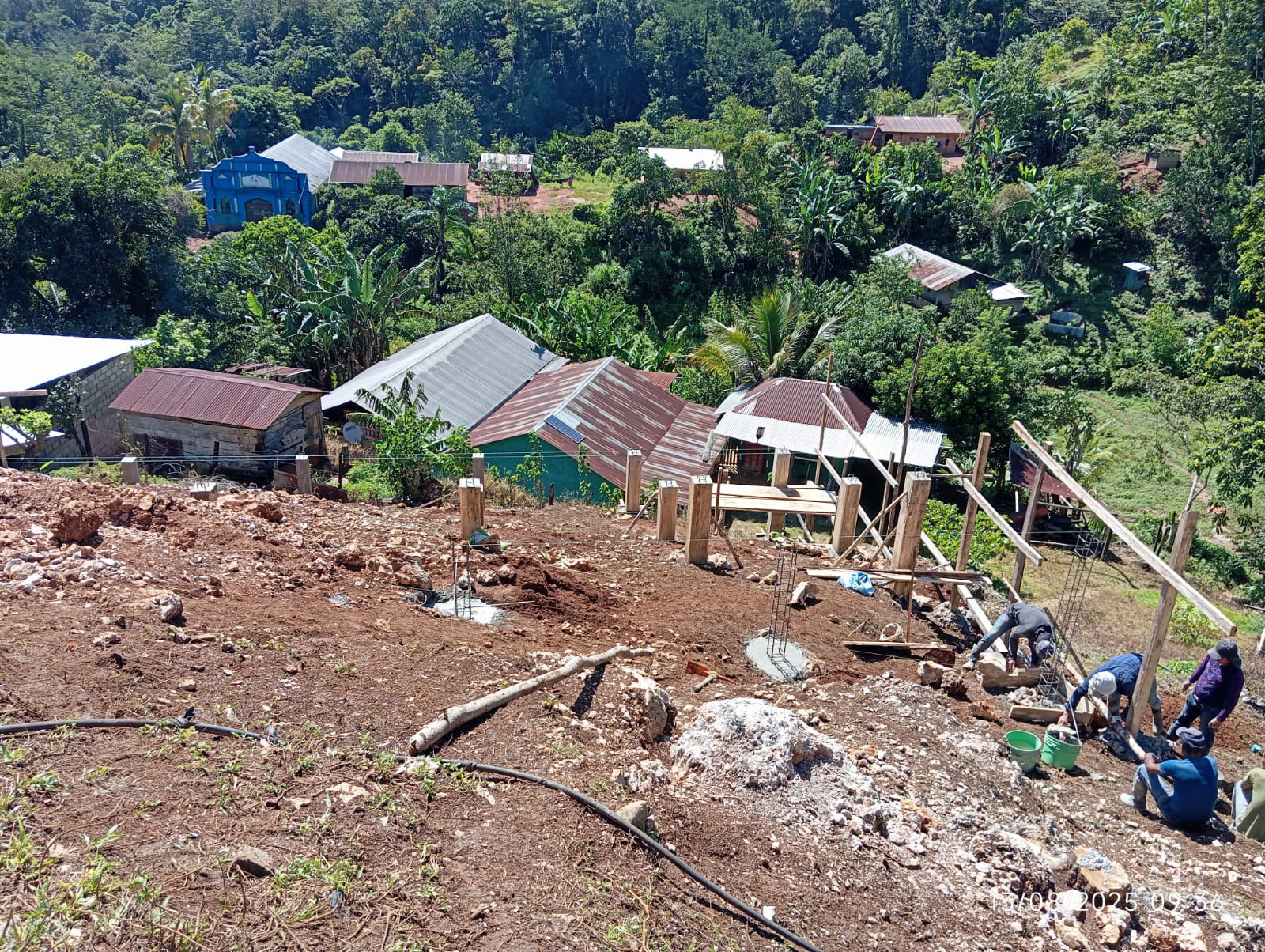
The project construction process relies on the contribution of workdays by neighbors from the eight communities involved, who have organized groups and work shifts under the coordination of community authorities. The process also includes the participation and direct support of activists and engineers from Colectivo MadreSelva.