Together for the climate
© Alex Bédard
Description
In Canada, it is both the system of settler colonialism, the ongoing process of dispossession and the whole economic paradigm that is at odds with the urgency of desperately needed real climate action.
Indigenous struggles and voices have been at the frontline leading the way for environmental and climate action. The extractive industry and the exploitation of fossil resources, which constantly violates the sovereignty of indigenous nations through the plundering of their territories is also linked to the repression and criminalization of indigenous activists, protectors of water and the Earth. Recent examples of this is the repression against members of the Wet’suwet’en First Nation who peacefully demonstrated to protect their territories and oppose the Coastal GasLink pipeline.
For over 25 years now, we at Alternatives have continued to believe that the answers to ecosystems defense and biodiversity lie in solidarity between indigenous and non-indigenous mobilizations. To do this, the organization has carried out different activities to establish stronger solidarity and relationships. Having historically supported several initiatives facilitating the meeting between indigenous and non-indigenous people (notably the Peoples’ Social Forum in 2014, the Assembly of Social Movements on Climate Change in Kanesatake in 2014, and the Climate Action Forum in Quebec City on April 11-12, 2015), Alternatives wishes to work on the possibility of building more bridges between indigenous communities mobilized for the climate and various environmental organizations and collectives and activists of the climate movement, including young student protesters, in the face of global challenges around environmental issues that affect us all.
Undeniably, young people are at the forefront of moving the public debate, raising awareness for action and generating ideas to address the climate emergency. Thus we must support their initiatives and the importance of youth voices in the environmental mobilization agenda. The project aims to support youth participants in their engagement in the context of climate action and equip them with tools to develop their experience and leadership.
In addition, it is necessary to question the role of non-native people and encourage them to be allies with natives in building climate mobilizations, based on the consideration, reflective knowledge of the issues, realities and specificities experienced by natives. Similarly, indigenous science and knowledge have much to say and an important role to play in the way we collectively address climate change issues.
A decolonial posture to guide a struggle for climate, life and Mother Earth is expressed through choices, positions and practices not only to mobilize in the face of the climate emergency but also in the face of the urgency of decolonizing relations between indigenous and non-indigenous peoples.
The objective, then, is to reflect together to identify the close links between the climate crisis, capitalism, the mode of economic overdevelopment and colonialist practices and systemic oppression (exploitation, violation of territorial rights, violence against women, etc.), to engage in solidarity between indigenous and non-indigenous people and to elaborate together another way of co-imagining and co-constructing collective actions to raise awareness. The Together for the climate project wishes to respond to these needs.
Objectives
The purpose of this program is to:
– Create spaces for meetings and exchanges between indigenous and non-indigenous youth who are committed to the fight for climate change (i.e. young leaders who are already mobilizing on this issue or who want to become leaders in the fight for climate change);
– Make the point of view of indigenous peoples on the impacts of climate change and the solutions to it more visible and audible;
– Strengthen mutual knowledge of environmental issues in a spirit of decolonization;
Partners
The Together for The Climate Program is a partnership between Alternatives and the First Nations of Quebec and the Labrador Youth Network. The set of activities that took place in September 2019 were developed and co-organized in association with numerous partners (La Planète s’invite au Parlement, La Planète s’invite à l’Université, Greenpeace Quebec, Climate Reality Project Canada, David Suzuki Foundation, Idle No More Quebec and Sierra Club Quebec).
Activities
First, we had a schedule of planned activities in September 2019:
- Two days of training titled “Together for the Climate!” Gathering (September 25 and 26, 2019 – all day)
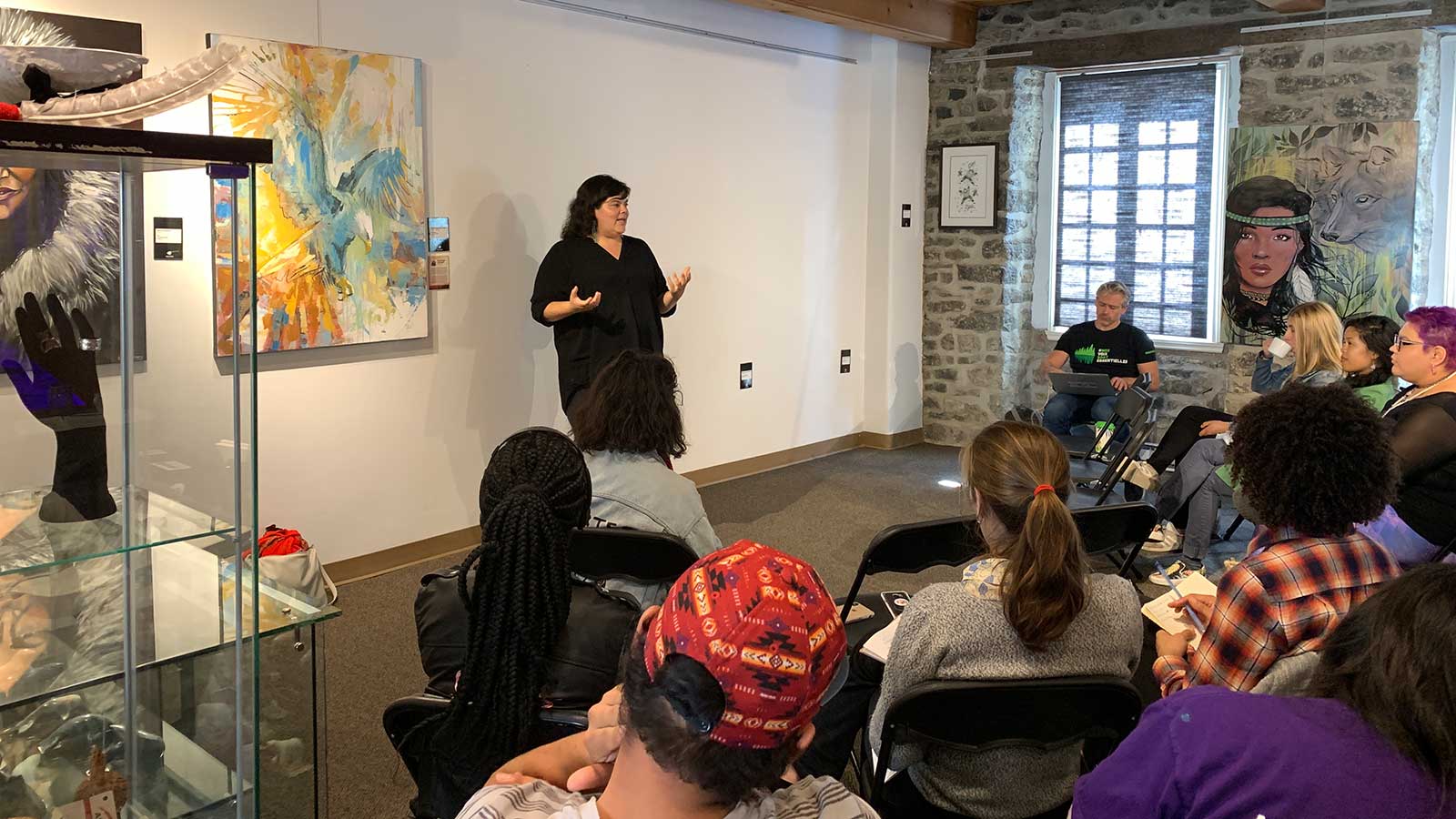
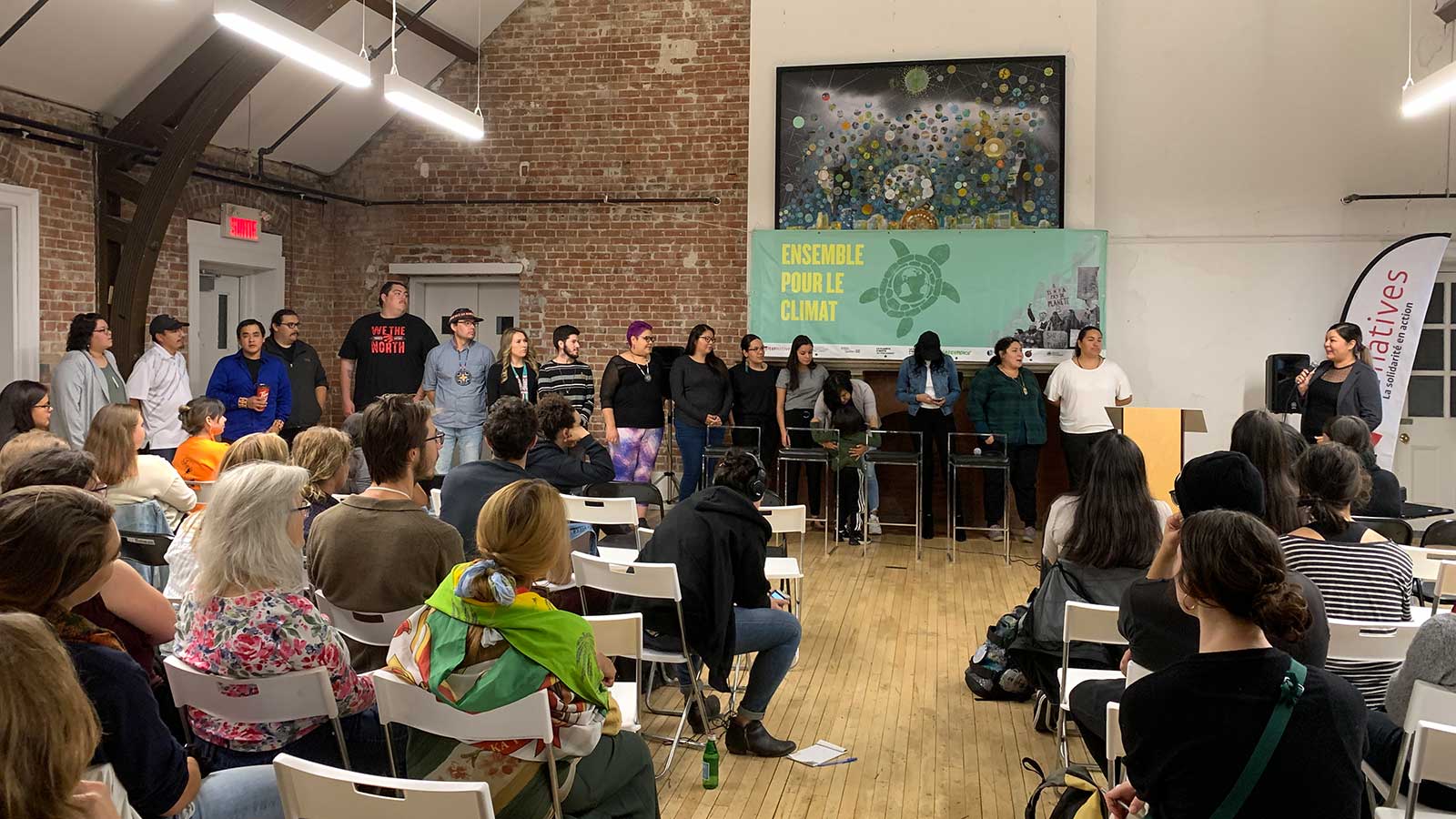
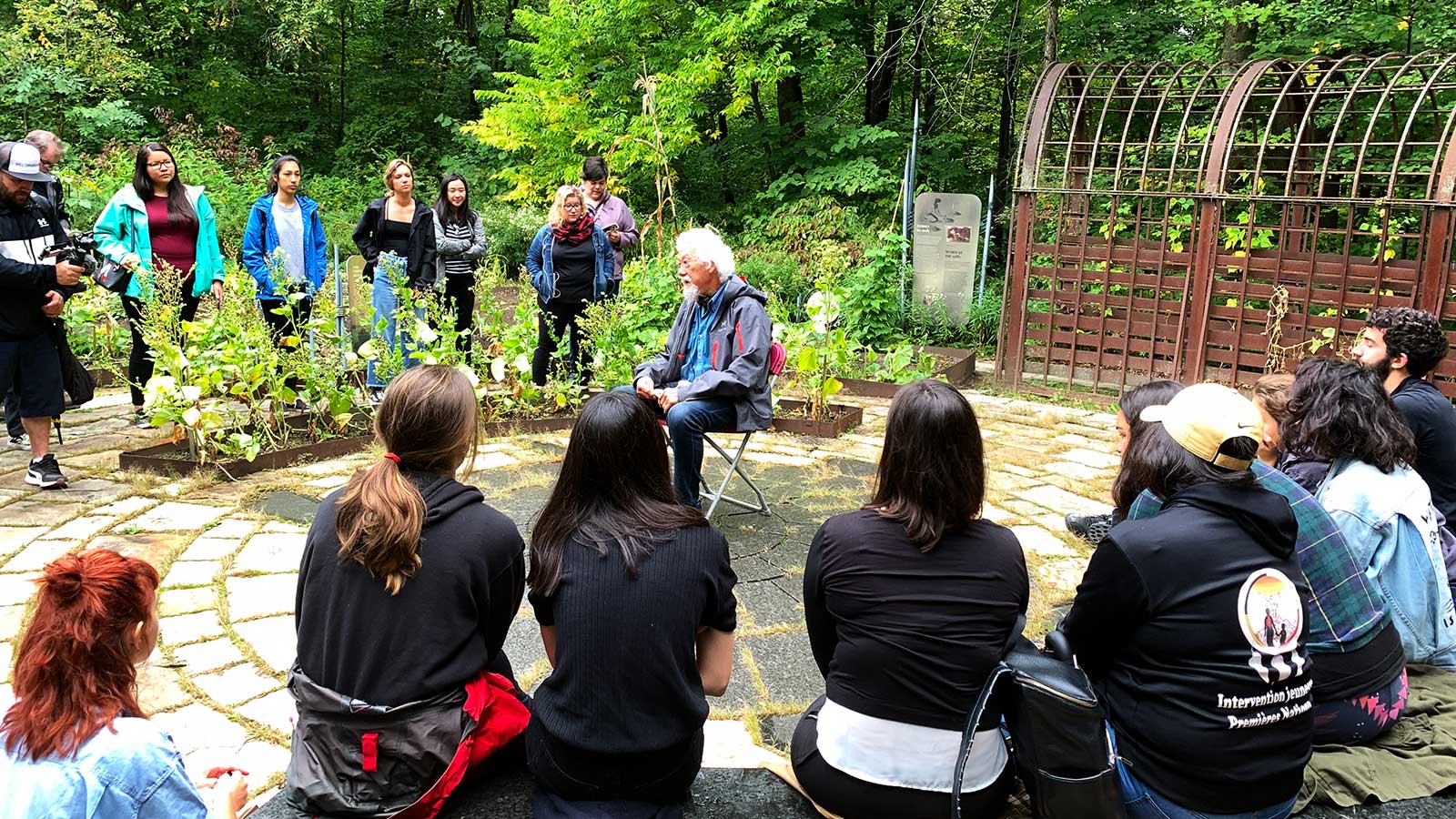
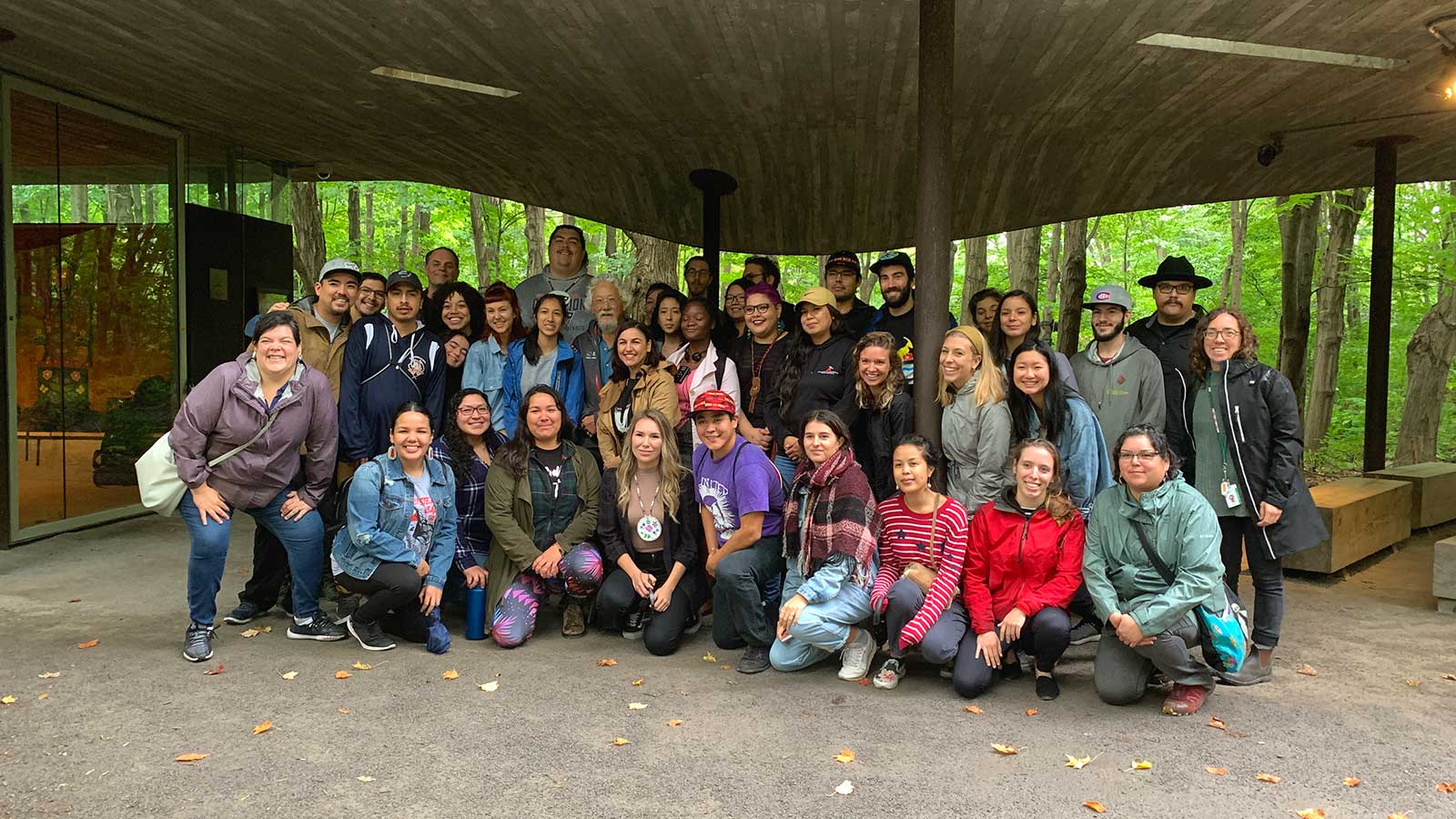
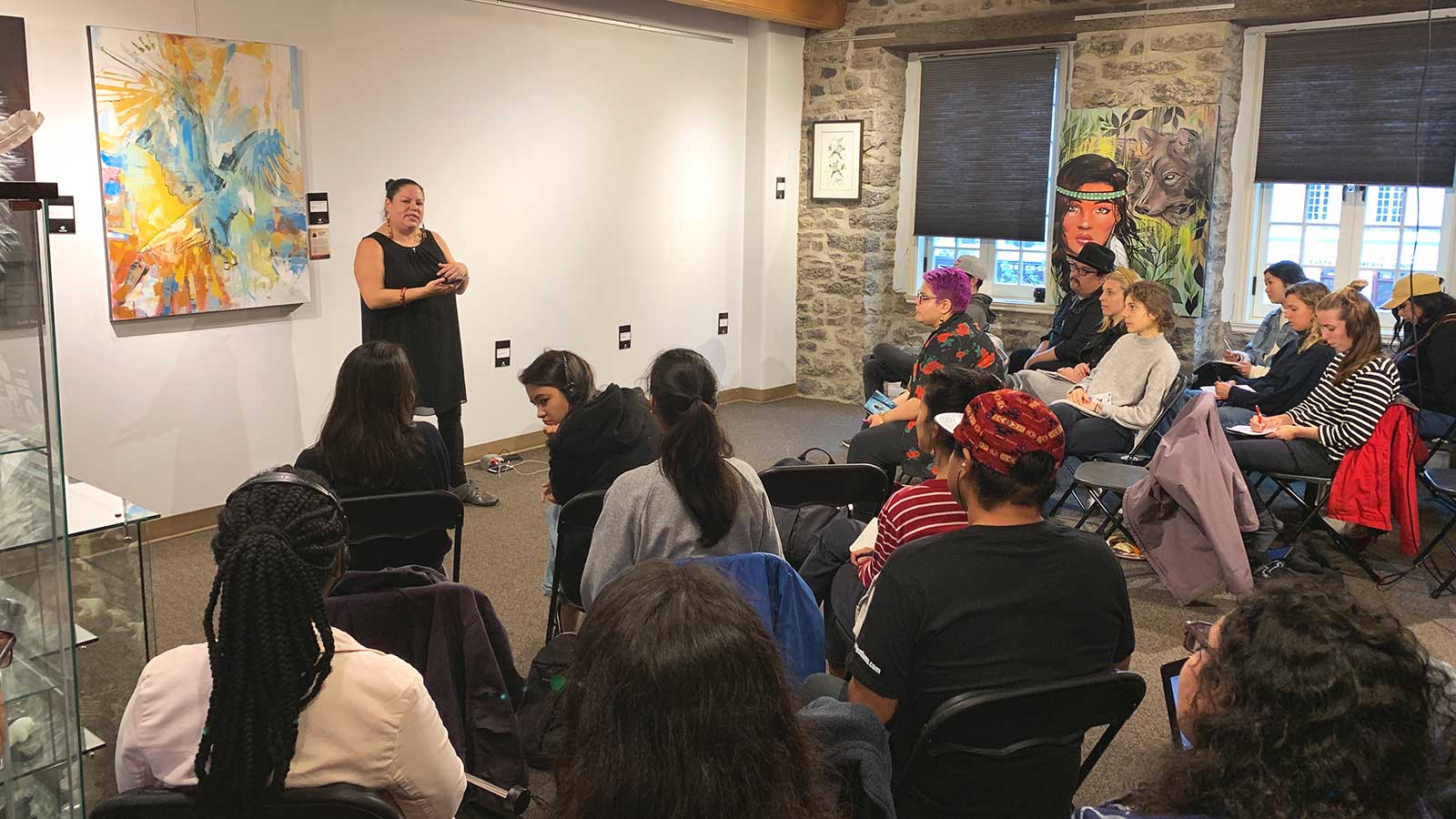
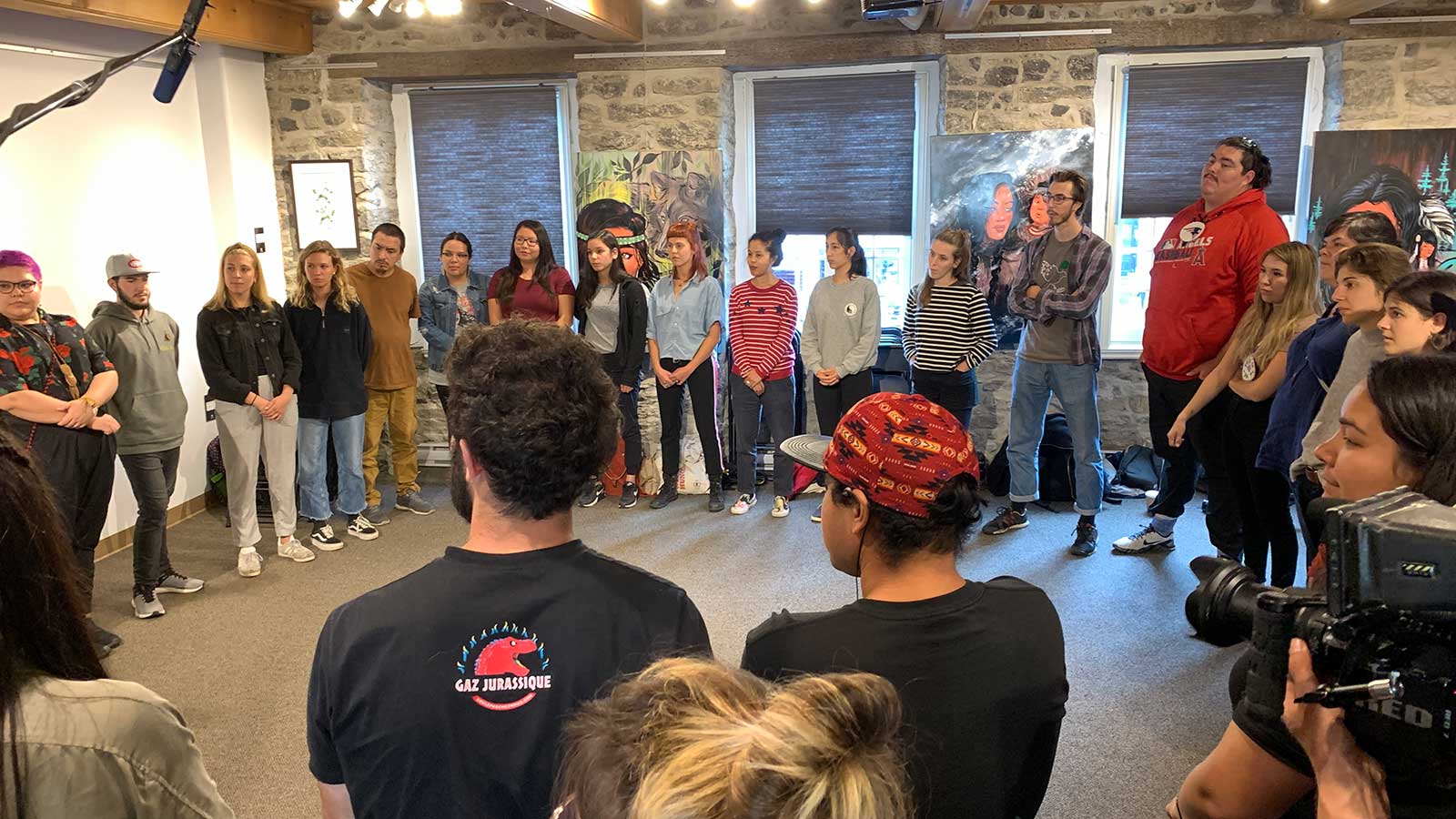
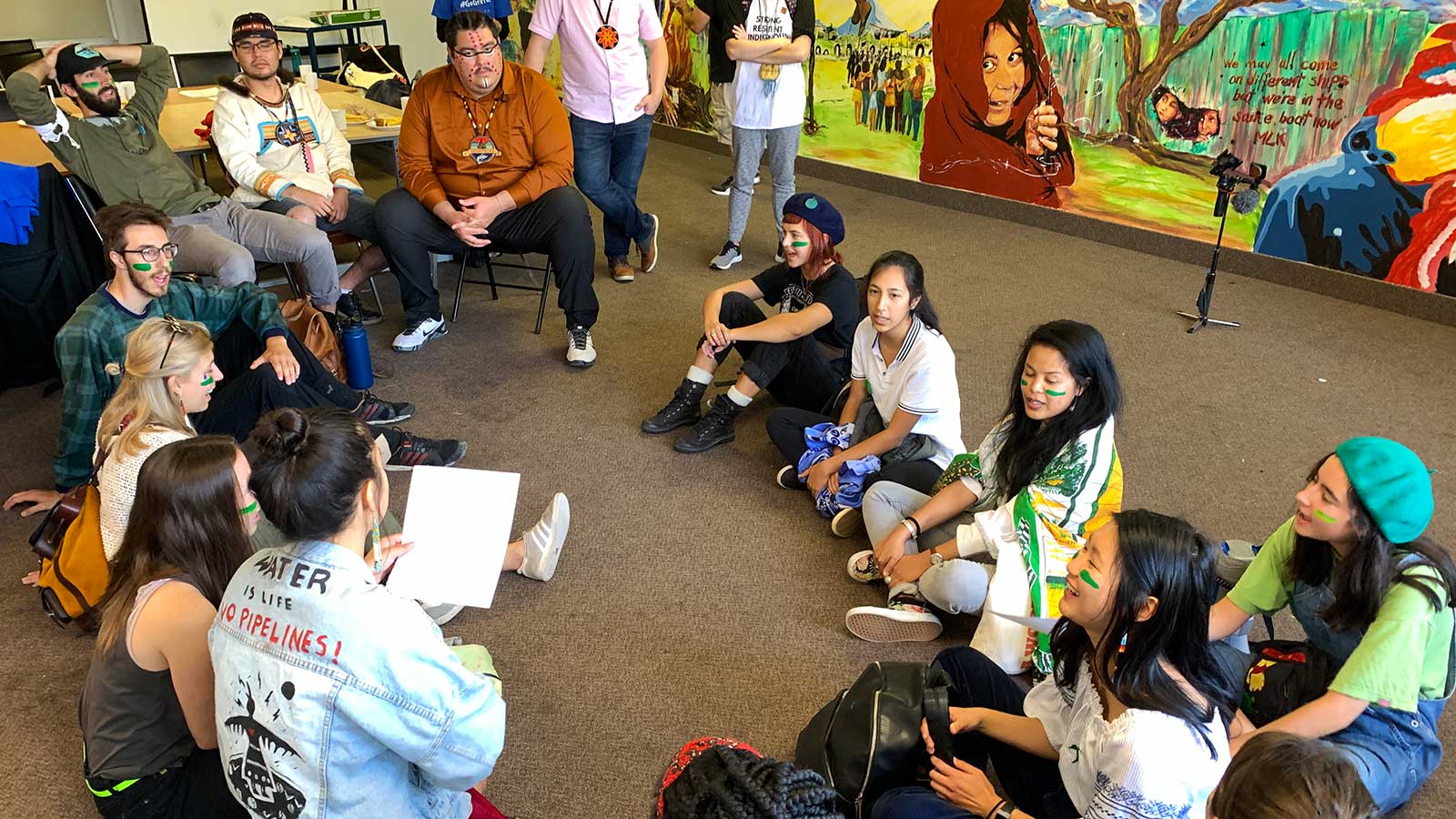
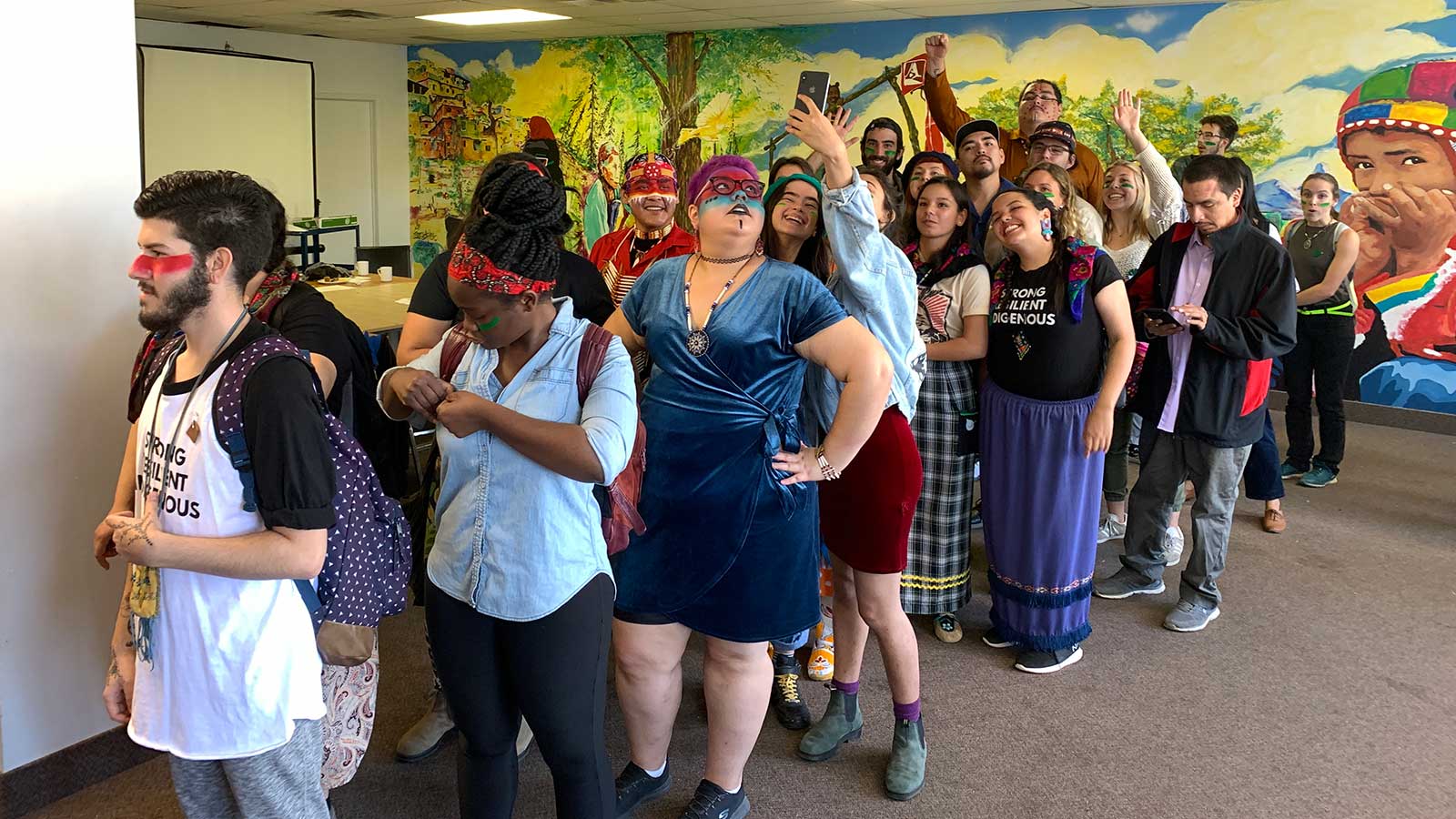
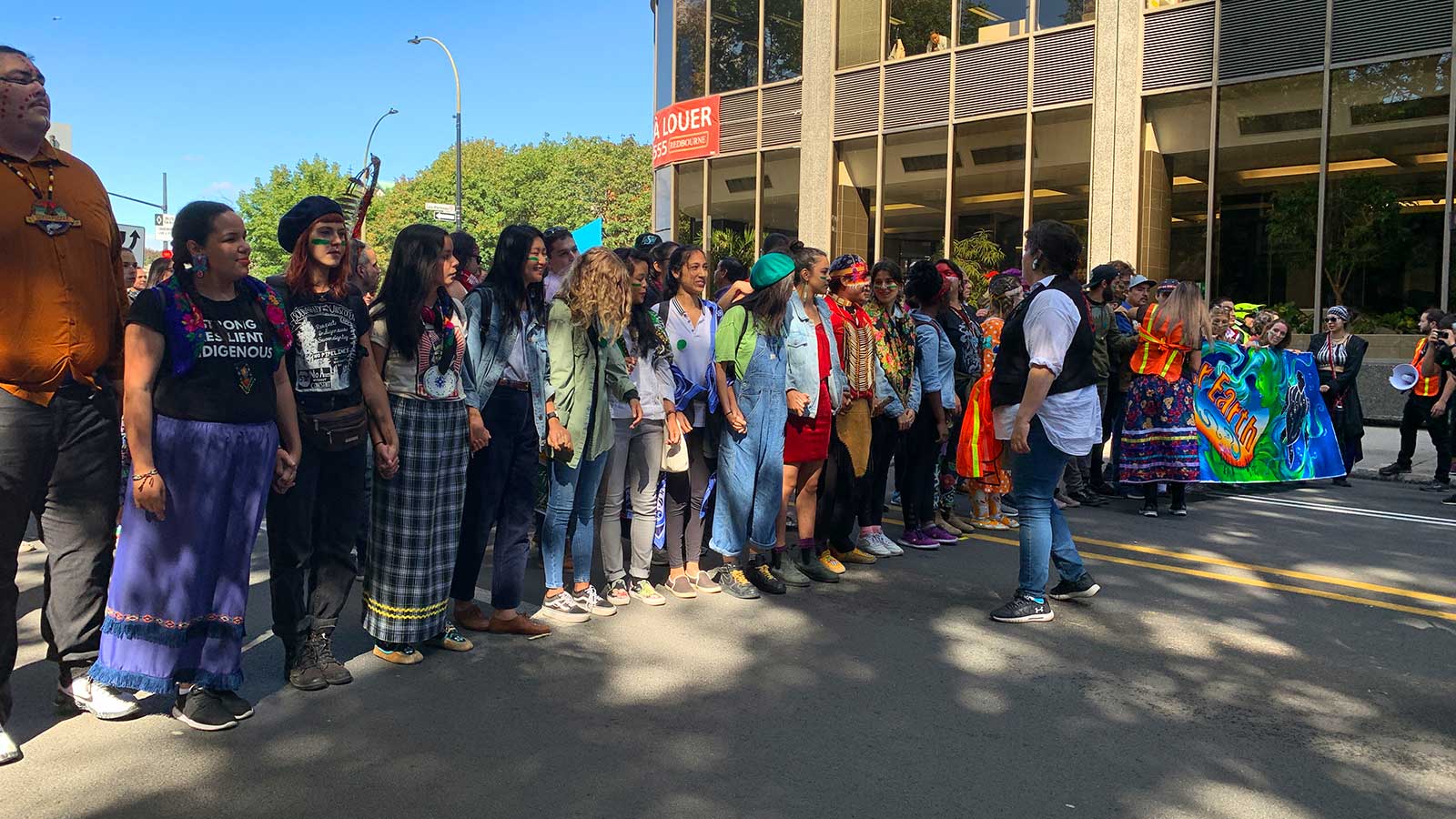
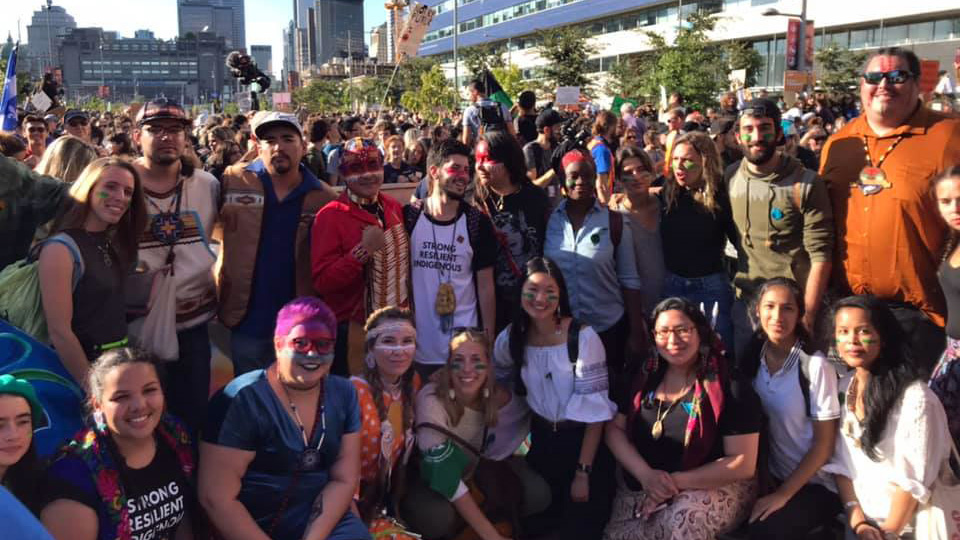
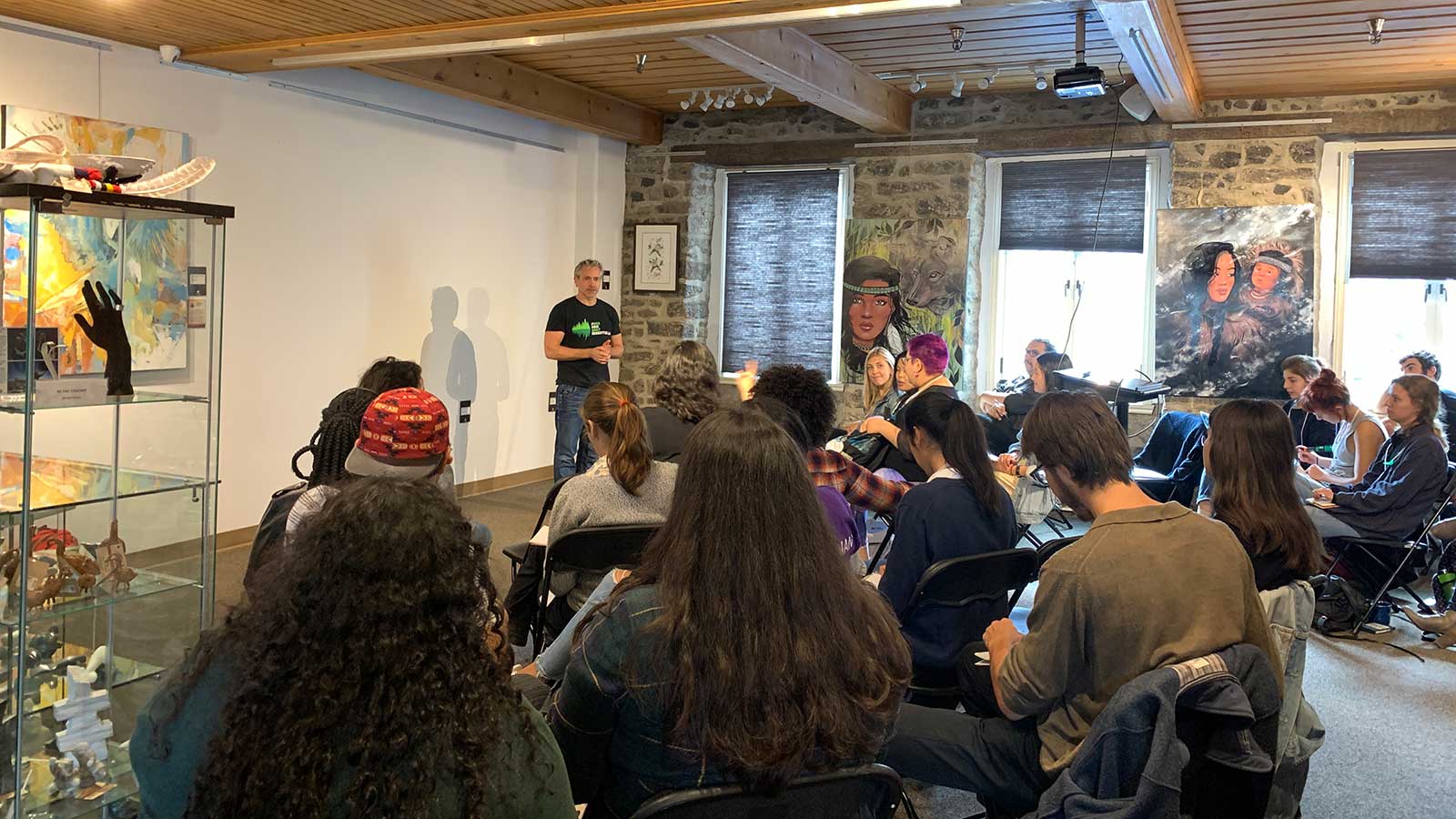
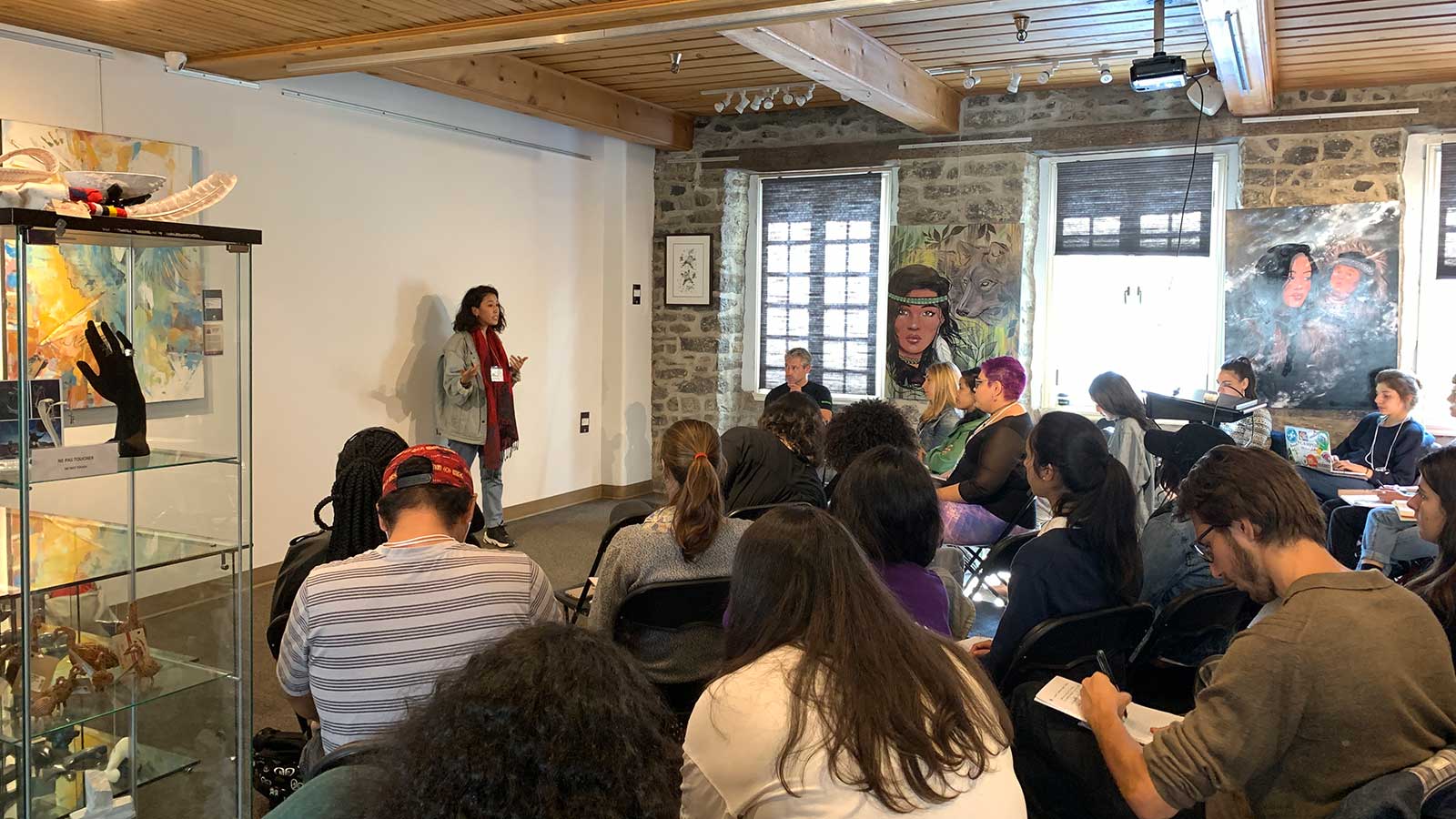
In response to the international call for a strike and global demonstration against the climate crisis on September 27, 2019, Alternatives co-organized two days of training on September 25 and 26, the “Together for the Climate” rally. Two days of training allowed us to take the time to create spaces for meetings and exchanges between indigenous and non-indigenous youth mobilized for the climate. The training focused on the development of leadership skills and knowledge, in a spirit of sharing, needed to address the climate crisis. A total of 30 indigenous and non-indigenous youth between the ages of 18 and 35 responded to a call for applications circulated by all our partners. On the First Nations side, 15 young people from more than ten different communities participated.
Details : https://www.facebook.com/events/375435516478336/
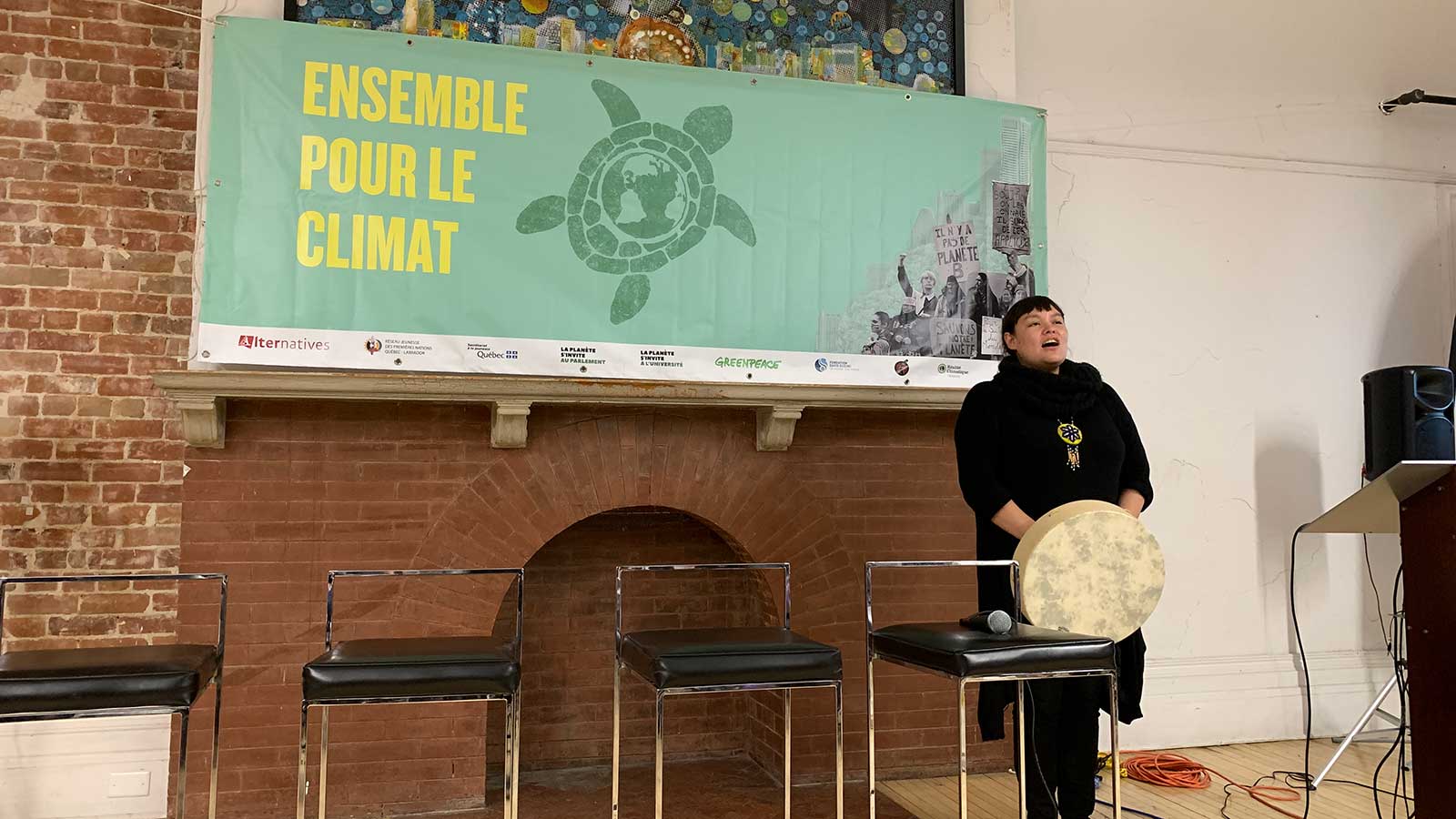
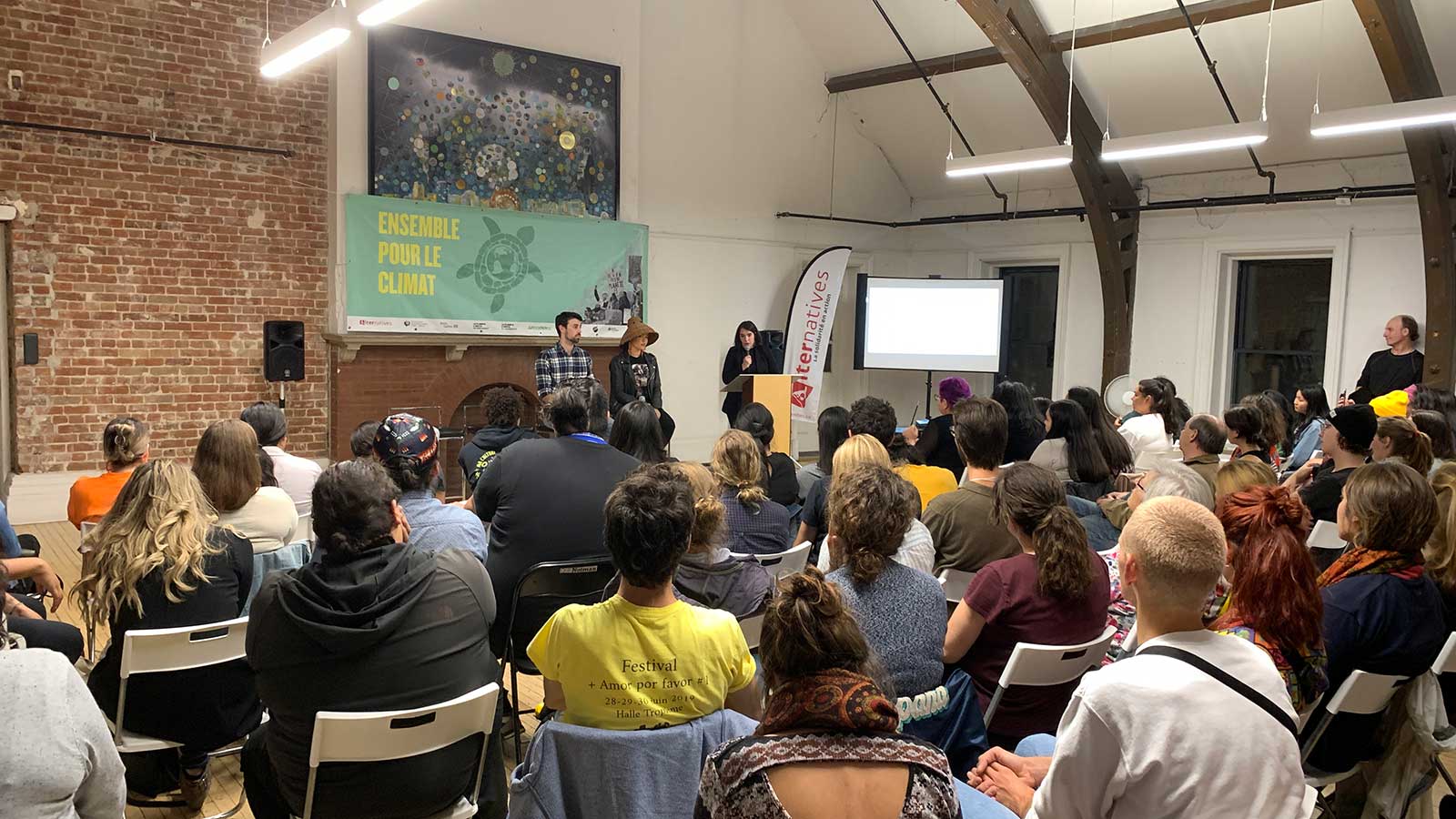
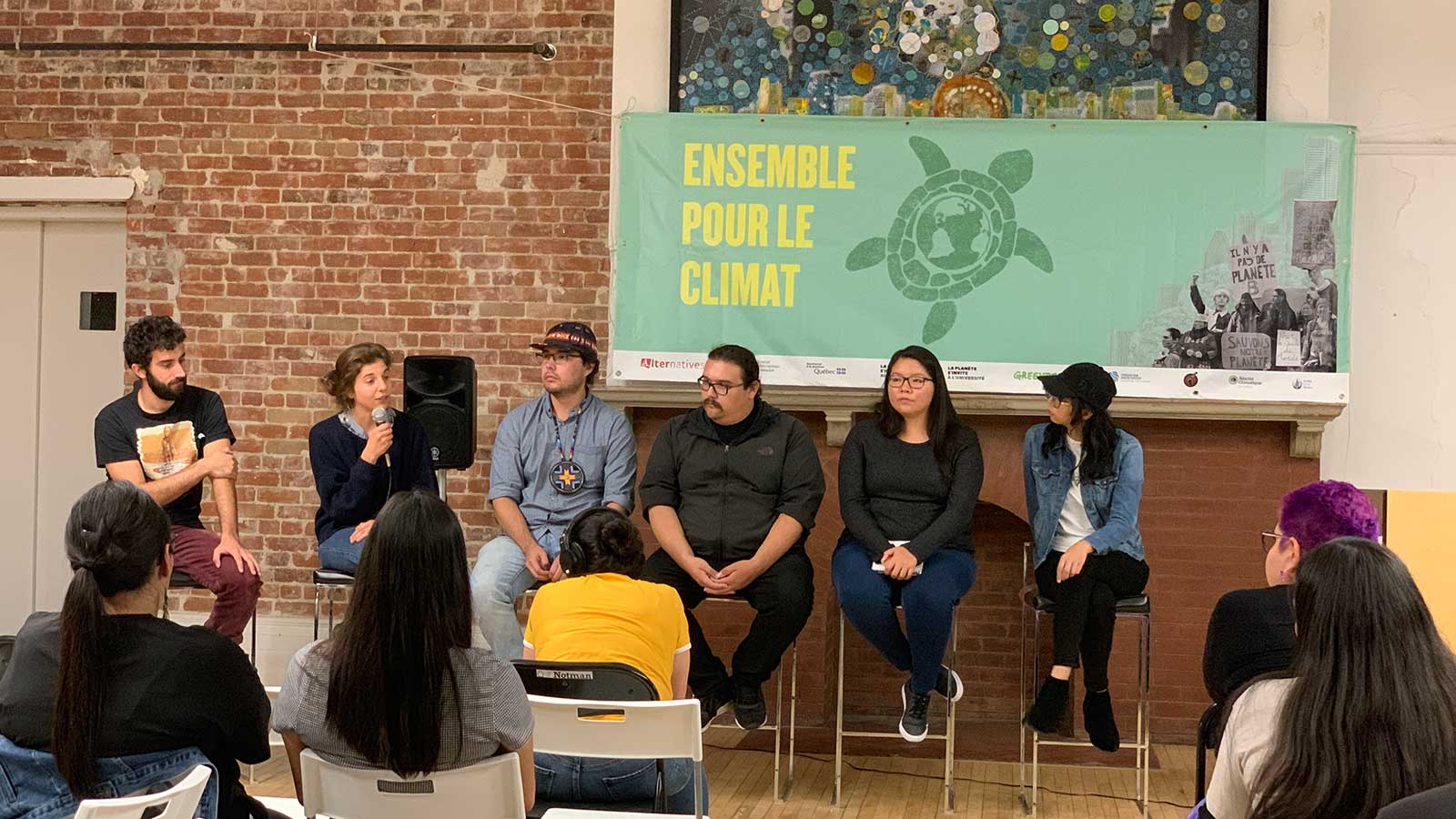
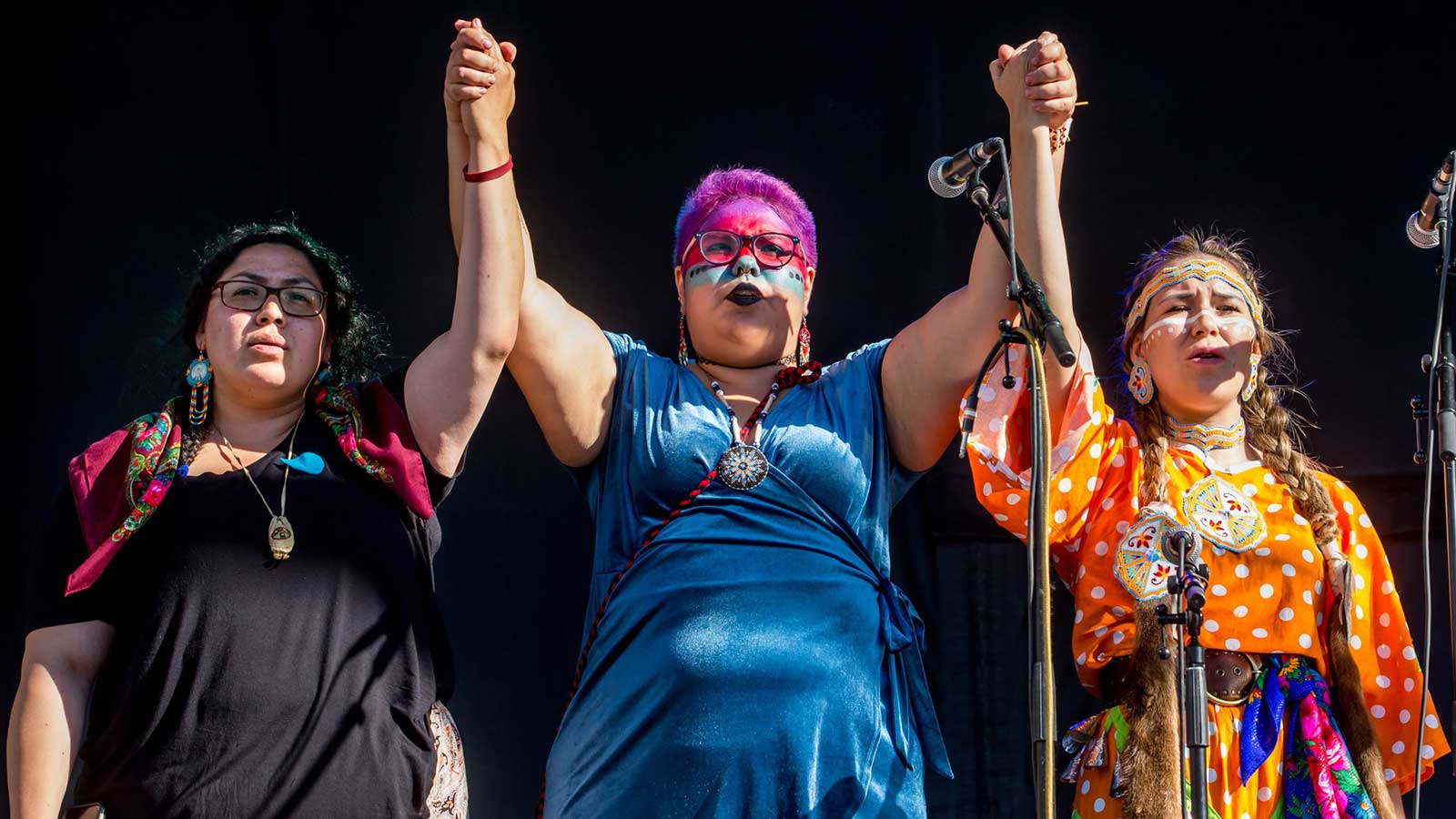
- Public Evening – Indigenous Voices for Climate change (September 25, 7 p.m.)
Animation :
– Isabelle L’Héritier, Advocacy Officer, Greenpeace Canada, Montréal
– Marjolaine McKenzie, Operations Coordinator, First Nations Youth Network of Quebec-Labrador
- Montreal climate strike (September 27)
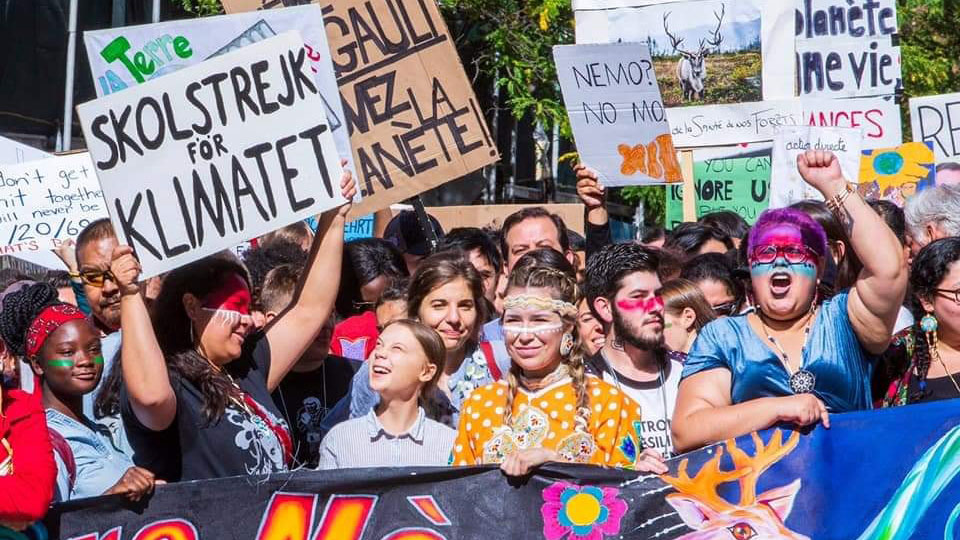
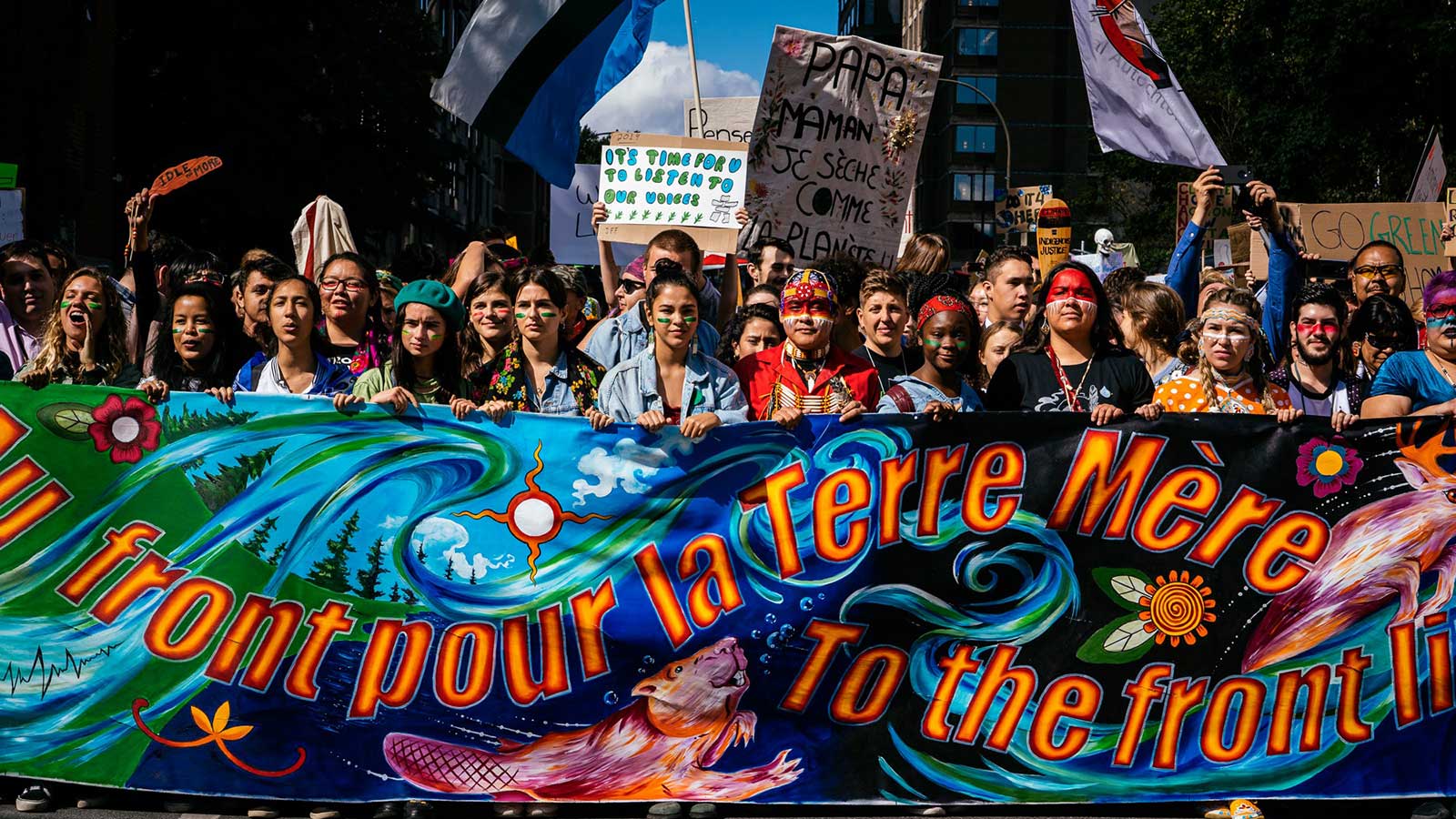
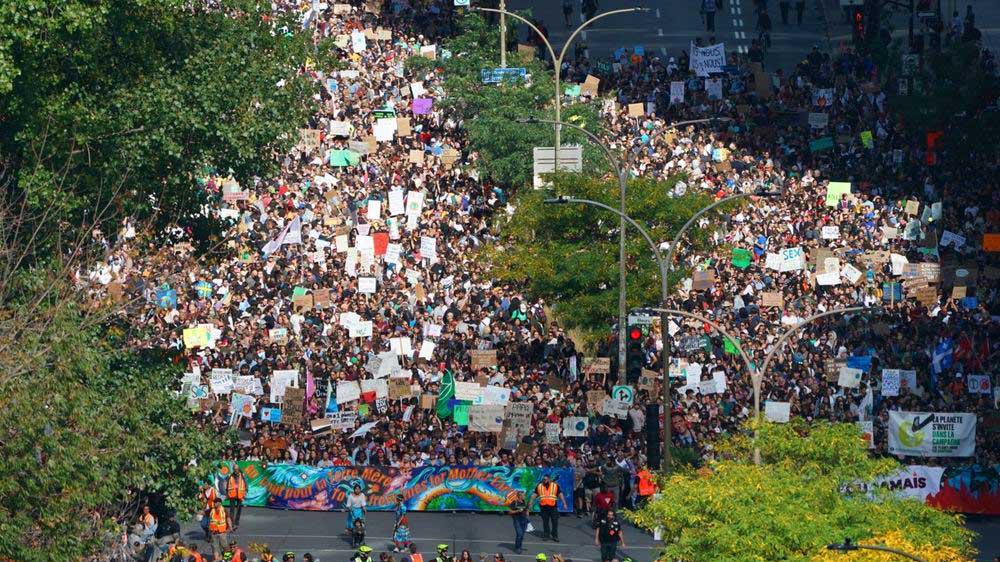
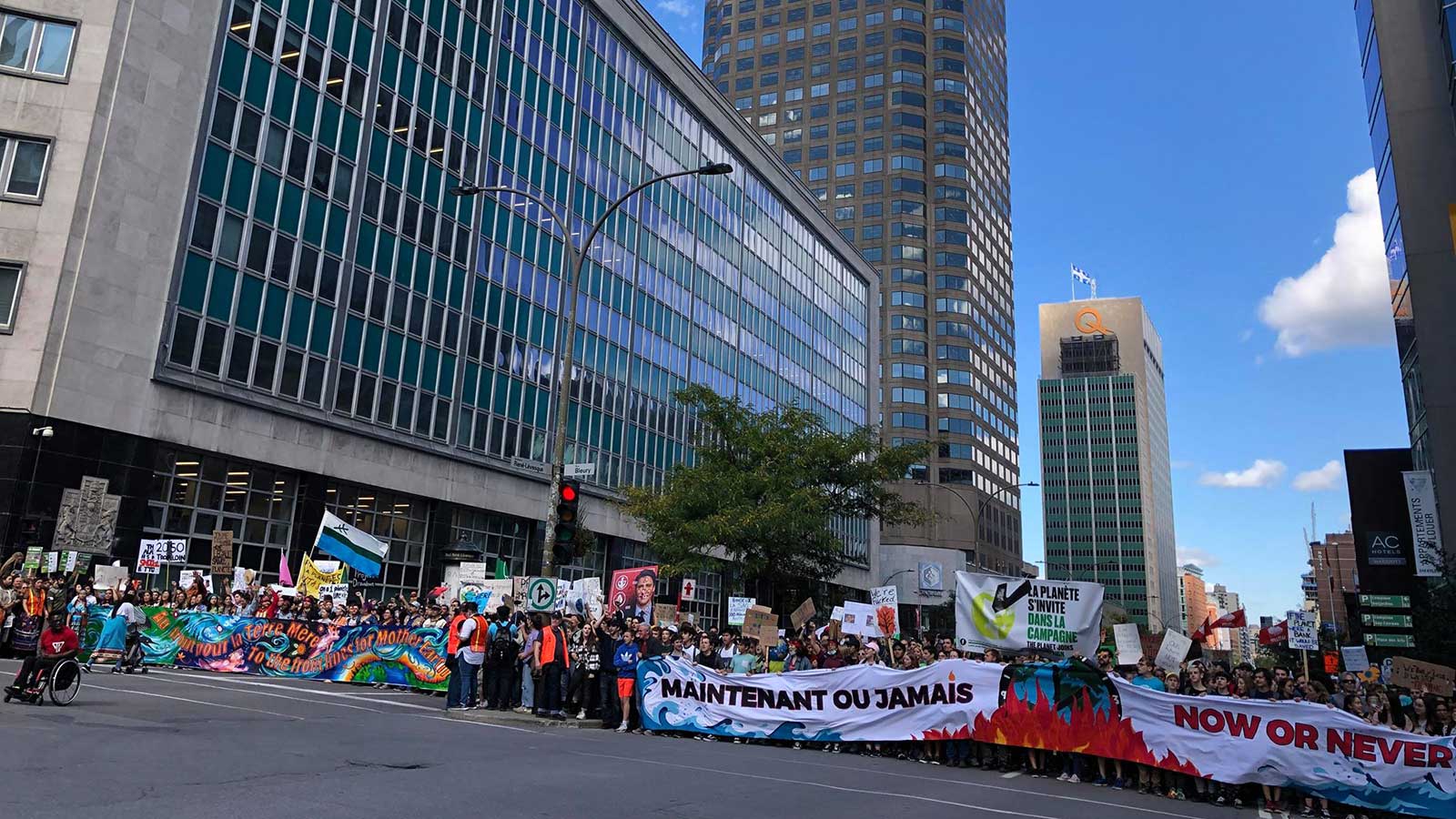
On September 27, 2019, citizens from around the world went on strike to oppose our government’s inaction in the face of the impending climate catastrophe. Quebec society is one of the most mobilized societies in the world on the climate situation. The climate march on September 27 was historic: 500,000 people were in the streets of Montreal.
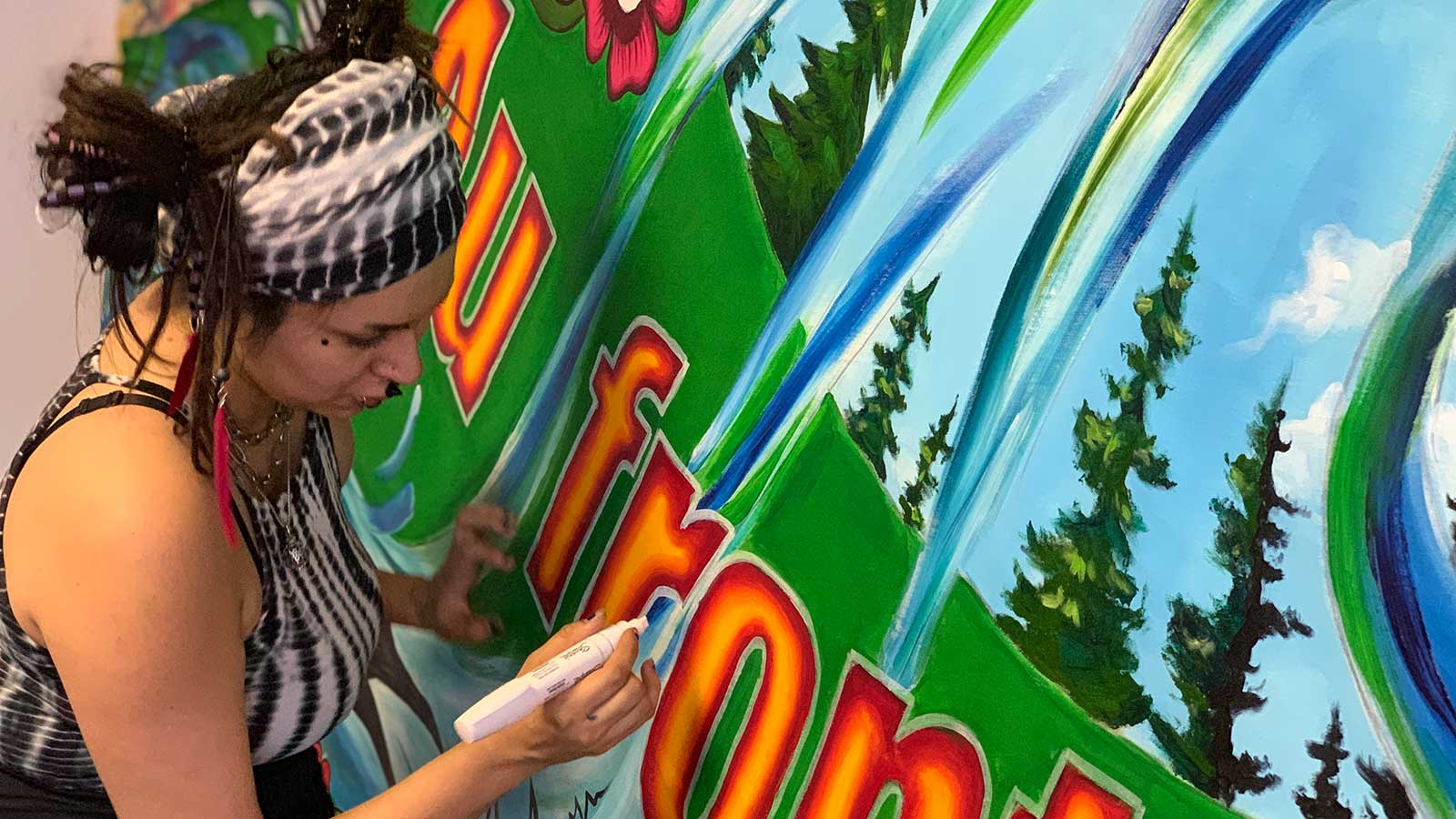
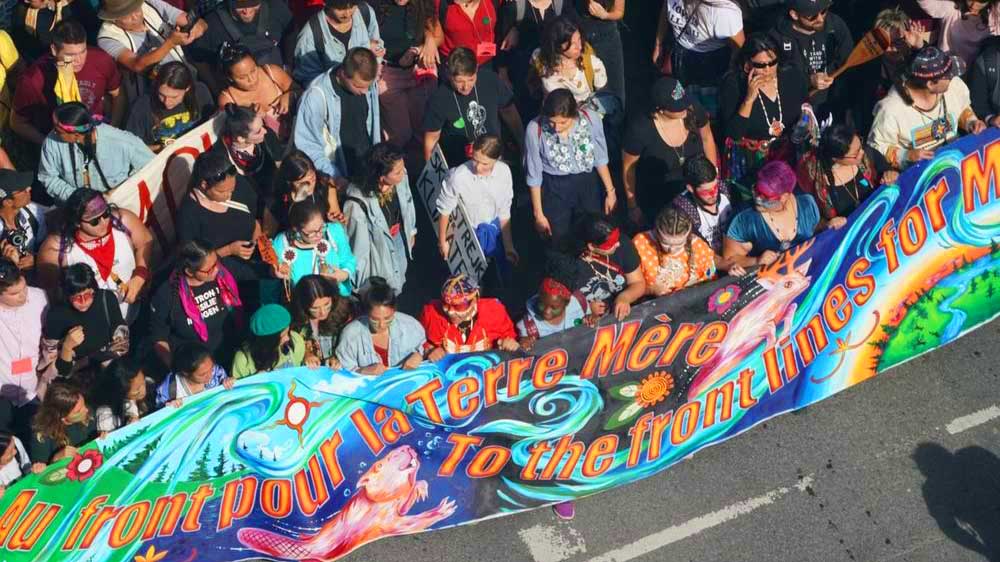
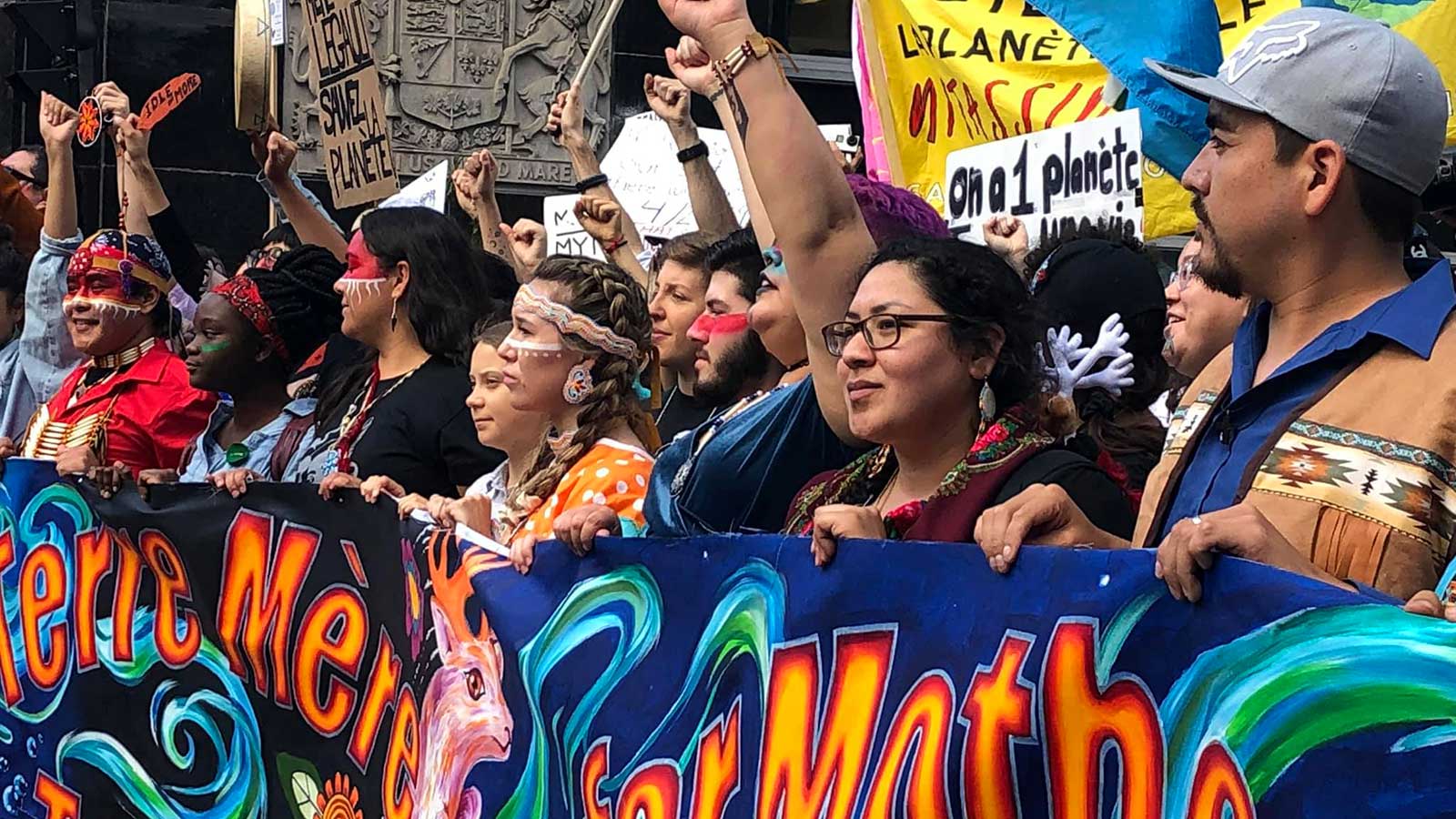
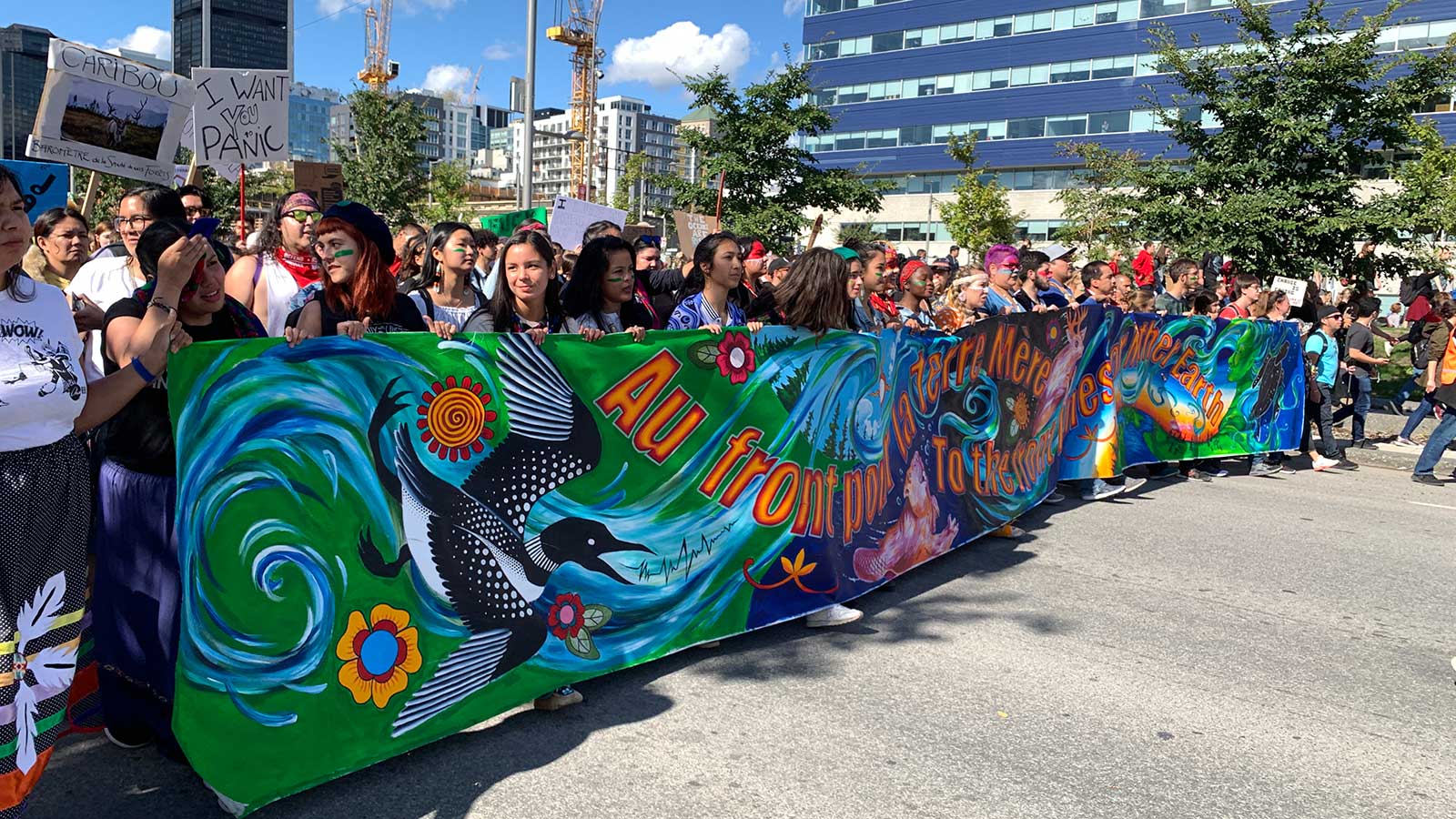
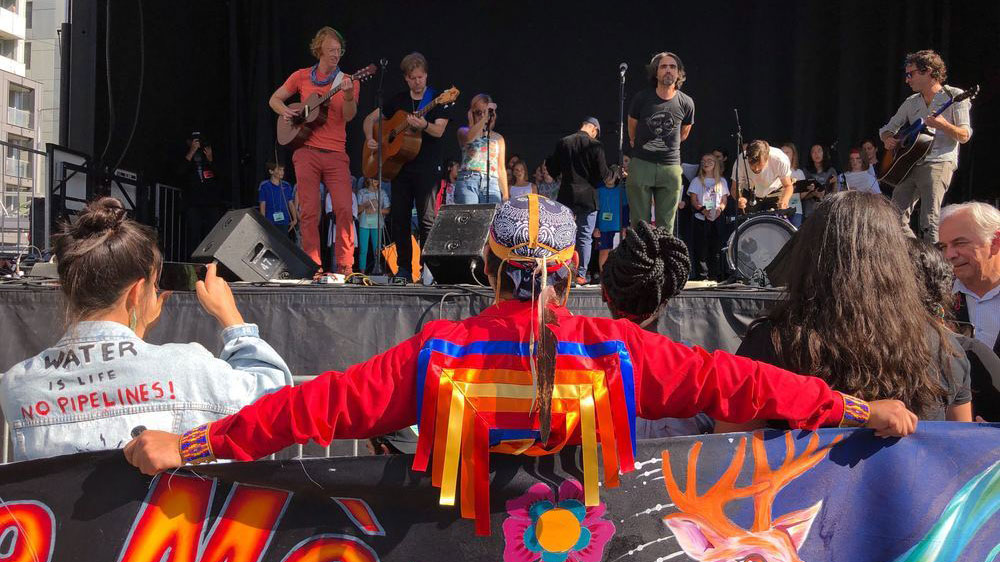
The delegation of thirty Aboriginal and non-Aboriginal participants in the “Together for the Climate” event opened the demonstration under a large common banner, created as part of the project by Anishinaabe artist Rachel Thusky-Cloutier, and united under the slogan “To the front lines for Mother Earth”. Among them was Greta Thunberg, a young Swedish activist and initiator of the “Fridays for future” movement, who was in Montreal for the Global Day of Action.

Impacts de ce projet
Pas d'articles avec ces critères...