Supporting the creation of women-led worker cooperatives in the mining sector in the DRC

Credit photo : Allexxandar sur Freepik

Description

Women and girls in the South Kivu region, especially those working in the informal artisanal mining sector, have been disproportionately affected by the health crisis. Containment measures further worsened their already precarious economic and social conditions. Today, more than two million people work informally in the mining sector in the Democratic Republic of Congo (DRC), at least 40% of whom are women and girls.

SOFEDI’s work focuses primarily on strengthening the fundamental rights of women and girls in South Kivu, who are made vulnerable by violence, conflict, and poverty. Its rights work is organized around four main areas:
a) Promoting the sexual and reproductive health and rights (SRHR) of women and girls to improve access to healthcare and contraception. This work includes training for women and girls, as well as for men and boys, training for trainers, strengthening the knowledge of healthcare teams, producing educational tools, and distributing feminine hygiene products and contraceptives. This area of work is cross-cutting.
b) Promoting and protecting the rights of women and girls at artisanal mining sites.
c) Combating HIV/AIDS and other sexually transmitted diseases and providing access to services.
d) Care for women living with disabilities in crisis contexts, particularly during the COVID-19 pandemic.
Under this three-year funding, SOFEDI will focus on women and girls working in the small-scale or artisanal mining sector, commonly considered a male-dominated industry. In particular, it will focus on producing information and data to strengthen advocacy, promoting SRHR among the targeted women and girls, as well as the men involved in the sector, and supporting the creation of cooperatives.

A project that aligns with four sustainable development goals

SOFEDI’s approach to women and girls working in artisanal mines in South Kivu draws on several principles of sustainable development.
By offering support to women in the artisanal mining sector in South Kivu to create and consolidate cooperatives, the Congolese partner’s intervention tackles poverty among female workers (SDG 1), improves the health and well-being of these women and their families (SDG 3), contributes to reducing social and economic inequalities (SDG 10), and supports gender equality (SDG 5).
Cooperatives promote women’s leadership in mining sites (a sector considered to be predominantly male), help reduce wage inequalities, strengthen their voices and participation in the workplace, society, and their families, and offer fairer and more inclusive economic models.


The project, funded through the Québec Sans Frontières (QSF) program of the Ministry of International Relations and La Francophonie – International Solidarity, has three main objectives:

  • Facilitate the implementation of initiatives to improve the living conditions of communities primarily in Francophone Africa, Latin America, and the Caribbean.
  • Promote and consolidate the expertise of international cooperation organizations and their local partners.
  • Promote the creation and maintenance of partnerships by encouraging the participation of women and the organizations that represent them.

More specifically, in the case of SOFEDI, the objectives are as follows:

  • Supporting women workers in artisanal mines in South Kivu in establishing women-led worker cooperatives.
  • Contribute to improving the well-being, health, and rights of women and girls who are among the most vulnerable in the country.

SOFEDI’s mission is “inclusive development through local ownership of sustainable solutions that take into account the context of community needs.”

Its main objective is to “contribute to improving the situation of women, girls, and other people in particularly difficult circumstances through self-promotion.” For nearly 15 years, SOFEDI has focused its interventions on four key areas: a) health, b) mining and extractive resources, c) demobilization, disarmament, and reintegration, and d) good governance and the fight against corruption. Our partner also works closely with a large network of organizations involved with people living with disabilities.

SOFEDI is a long-standing partner of an international ally working on women’s health and on reproductive and sexual rights, the Center for Reproductive Rights.

Since 2020, SOFEDI has been welcoming students as part of our remote internships carried out in partnership with the University of Ottawa. The mandates focus primarily on the reproductive and sexual rights of women and girls in South Kivu.

At the height of the pandemic, in 2020-2021, thanks to funding from MRIF (PSOCI program), we also supported SOFEDI in its work with women living with disabilities (WLD) in the province of South Kivu. The strategy also aimed to train associations working with WLD, document the needs and realities of these women and girls, and engage in discussions with public authorities on inclusion in times of crisis, the principles of non-discrimination and human rights, and strategies to combat violence against women.
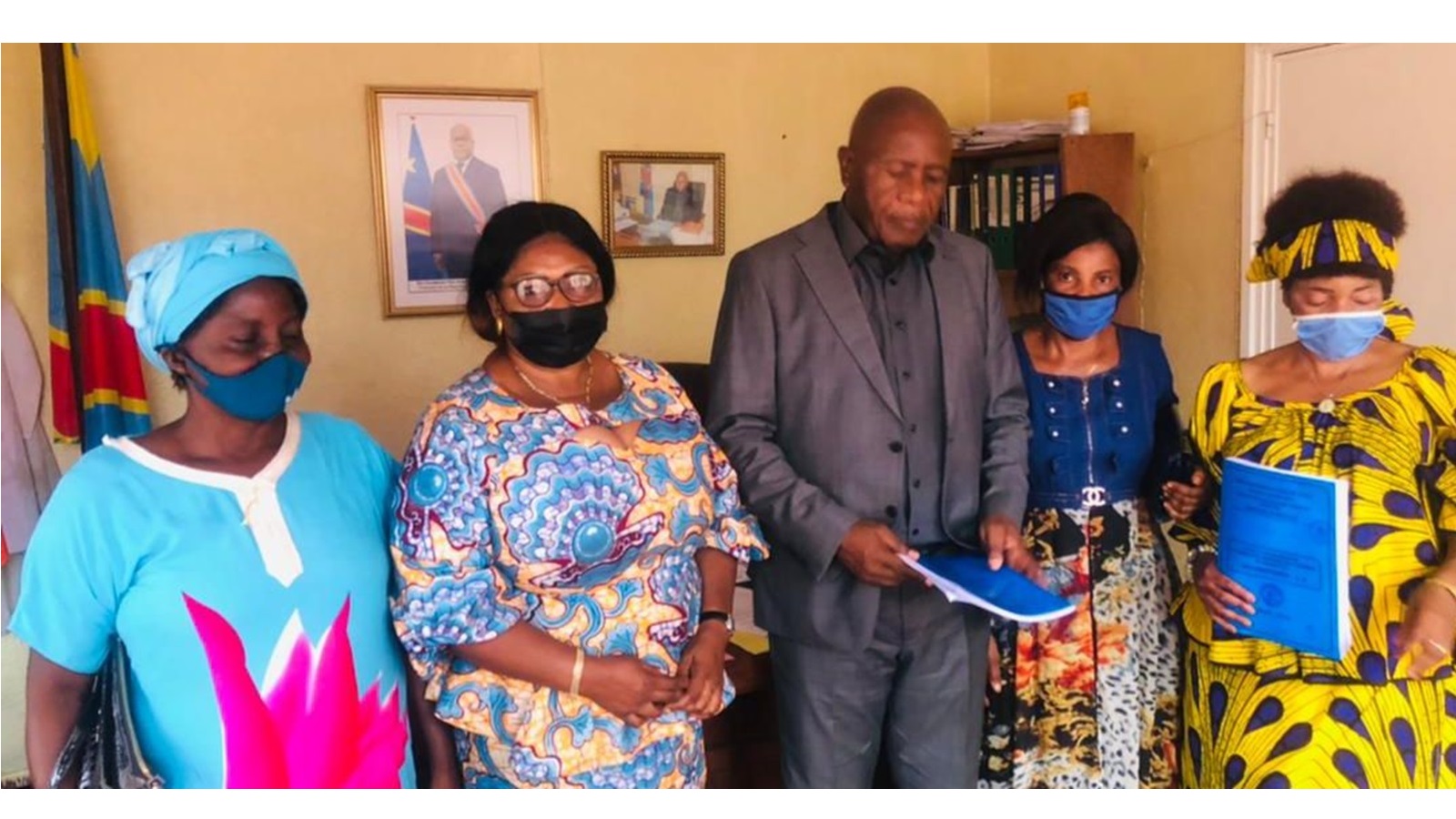
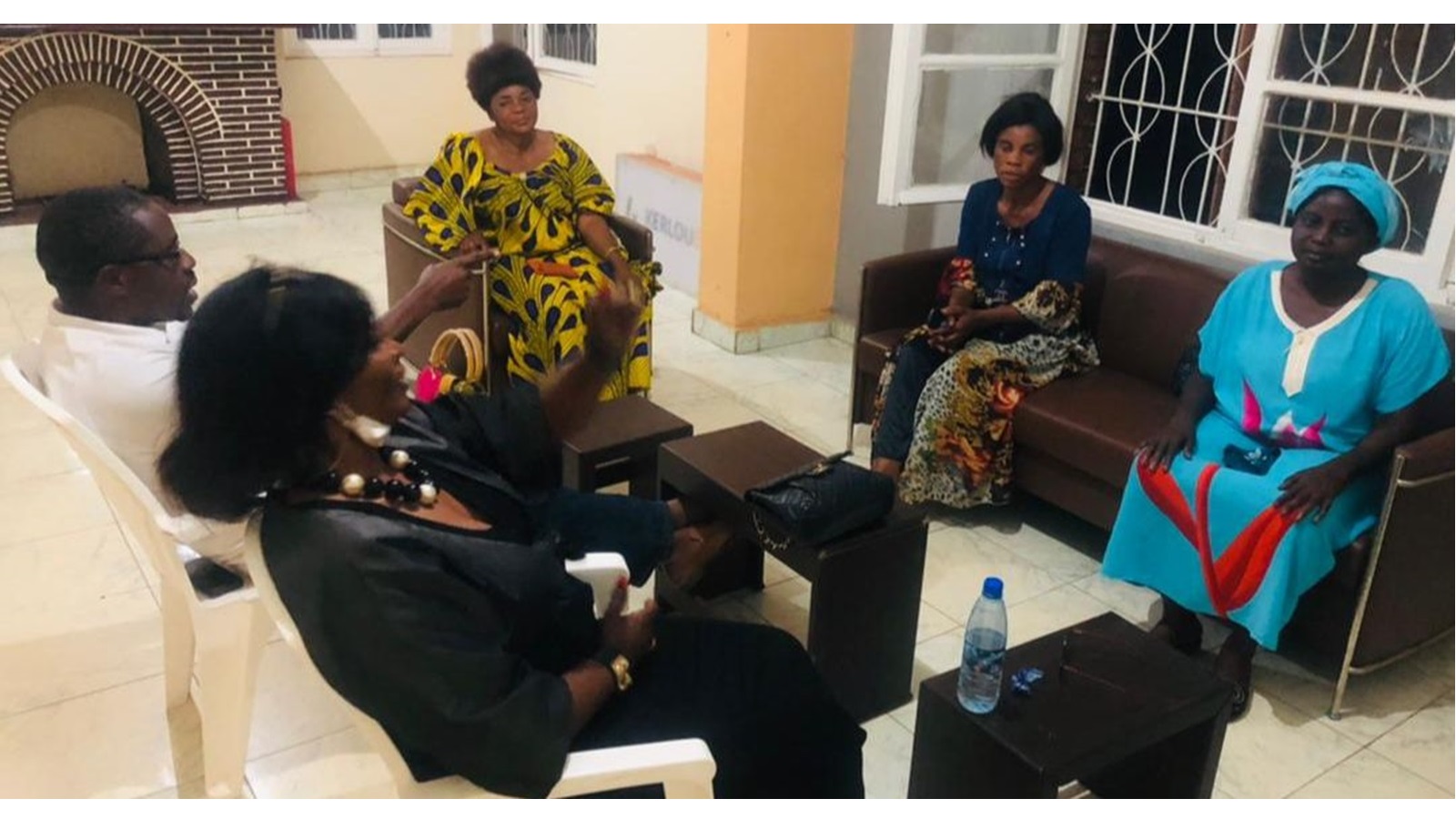
As part of its project to improve the representation of women in artisanal mining in North Kivu and South Kivu, Solidarité des Femmes pour le Développement Intégral (SOFEDI) has been supporting the establishment of the Shabunda Women’s Mining Cooperative Society, Société Coopérative de Femmes de Shabunda (SOCOOMIFESHA), from the creation of the cooperative’s structures through to securing its notarized statutes.

This all-female cooperative was founded in September 2019 when four women’s organizations in Shabunda decided to join forces, encouraged by SOFEDI and other organizations with the support of PACT/USAID. The initiative has been welcomed by several major players in the mining sector. These include the Small-Scale Mining Assistance and Support Service (SAEMAPE), the Congo Investment Company (SINC), and the Minister of Mines, all of whom are lending their support to SOCOOMIFESHA, the all-female cooperative.
(source: SOFEDI website)


Impact of this project