Support for Women Journalists and Civil Society in the Fight Against Sexual and Gender-Based Violence in the Middle East

© Alex Bédard
Description
In many countries of the MENA (Middle East and North Africa) region, persistent violence and the aftermath of past conflicts have overshadowed the democratization process and interrupted efforts to promote women’s human rights and gender equality. In addition, armed conflict and its aftermath have contributed to increased levels of sexual and gender-based violence (SGBV).
Women journalists, human rights defenders and other civil society actors across the region are increasingly using digital technologies as tools to promote the voices of marginalized groups. However, they face significant obstacles in the areas of freedom of expression and online safety, which act as powerful disincentives to media coverage of sexual and gender-based violence, as cases of violence can be largely silenced. In addition, new technologies have increased the vulnerability of women journalists and other women human rights defenders (WHRD) by increasing the risks they face, as abuses in the form of discrimination or harassment are more frequent online. If journalists and human rights defenders cannot safely navigate and operate in digital spaces, their contribution to raising awareness and challenging taboos and harmful social norms becomes marginalized.
In order to encourage media and civil society actors to become more engaged in the fight against sexual and gender-based violence in Iraq, Jordan, Lebanon and Sudan, this project mainly targets women journalists, WHRD and citizen journalists. Through training in innovative uses of encryption technologies and cybersecurity techniques, they gain the skills needed to combat sexual and gender-based violence through the online dissemination of quality and ethical information. They are also able to become better drivers of change, challenging common perceptions about SGBV, including what prevents survivors from reporting the sexual and gender-based violence they have experienced. The elimination of these taboos and the visibility of these issues will empower women and increase their awareness of their rights. The involvement of men and other secondary stakeholders in this process allows for more effective engagement at the national and international levels to prevent further sexual and gender-based violence.
Objectives
The main objective of the project is to increase the security and protection of the rights of women and girls in Iraq, Jordan, Lebanon and Sudan by 2020. This will be achieved by improving the quality and ethics of reporting by journalists and WHRDs on the impact of SGBV, and by increasing media and civil society engagement in responding to critical situations of SGBV in the target countries. Building the capacity of women journalists and WHRDs to report effectively and safely with the support of their male counterparts will help to empower other women and girls. Finally, this project aims to improve the position of women and girls in society, both directly and indirectly, by promoting gender equality and equity and contributing to the reduction of SGBV. The project targets at least 200 women journalists from Iraq, Jordan, Lebanon and Sudan, including WHRD who use other forms of media to promote the rights of girls and women. While the project focuses on direct links with these women actors, it also targets 75 male journalists working in the media sector to help them understand the challenges faced by women, such as gender discrimination in the workplace. The consultations are reaching out to approximately 48 media and civil society groups to involve them more actively in stabilization and reconstruction efforts for survivors of SGBV.
Partners
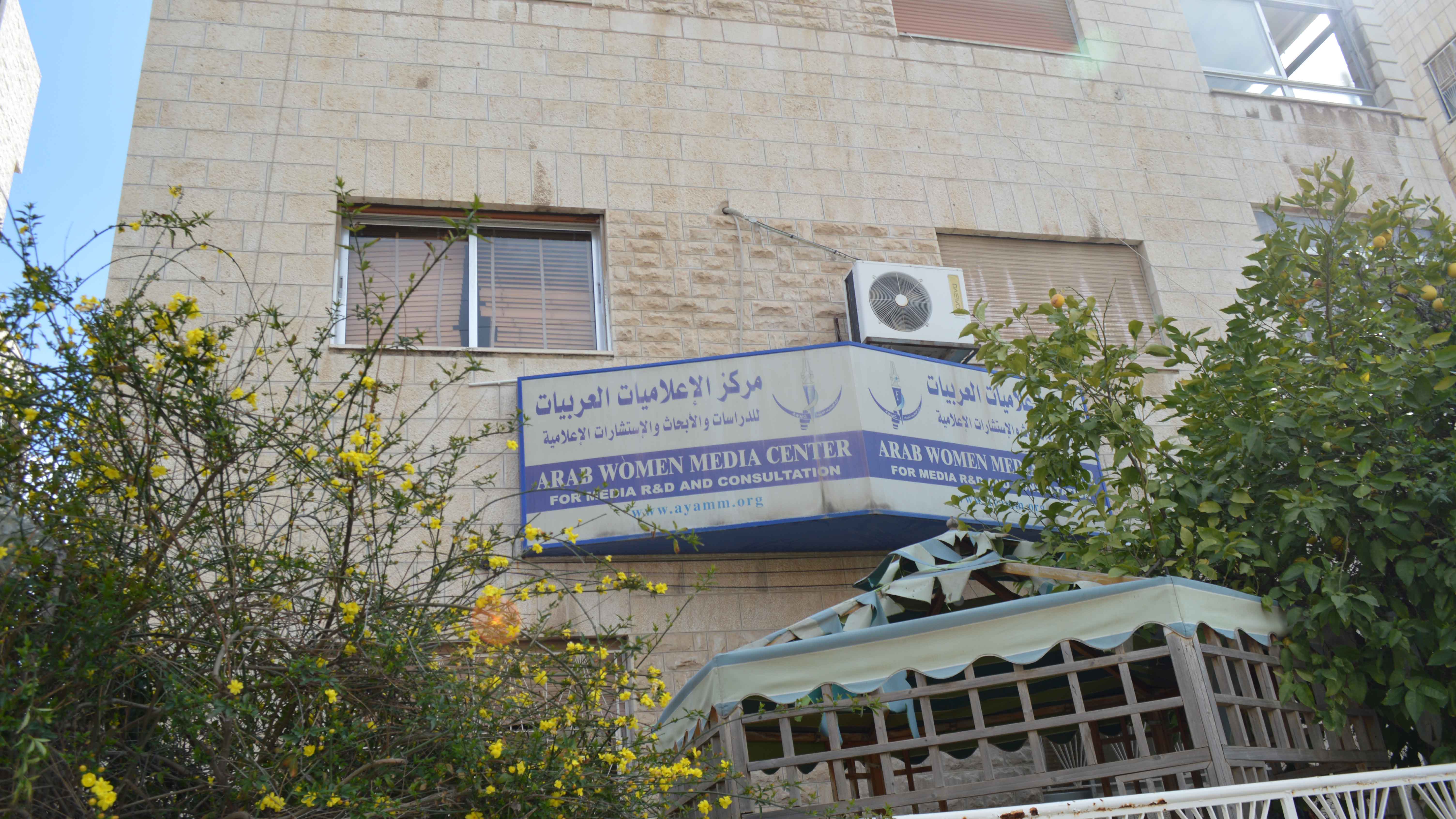
Alternatives is responsible for the overall management and coordination of the project and also works with partner organizations in each country that lead the local consultation effort on the projects. The Iraqi Women Journalist Forum (IWJF) is the partner organisation in Iraq, established in 2011 as a civil society non-governmental organization concerned with women in media and the defence of women’s and human rights. The main partner in Sudan is the Alalag Press Service Centre, which was founded by women journalists in 2007. Its main focus is on building the capacity of women journalists as well as women in community areas to improve their skills in human rights and gender perspectives. The Arab Foundation for Freedom and Equality (AFE) was established in Lebanon with the mission to encourage and support movements for sexuality, gender and bodily rights in the Middle East and North Africa through capacity building, knowledge production and exchange, and safety measures. The partner in Jordan is the Arab Women’s Media Center (AWMC) which is a non-governmental organization whose mission is to eradicate all forms of violence and discrimination against women and girls and to encourage attitudinal and behavioural change towards gender equality. The AWMC works in the field of domestic violence, youth and women’s rights, but also in the field of education for democracy for the establishment of media freedom and an ethics of journalism.
Activités
The project includes the following main activities:
- Project start-up mission (10 to 13 May 2018)
The project launch mission took place in Beirut. The objective of this meeting was to discuss the project’s implementation plan with the coordinators of the partner organizations in Lebanon, Jordan, Iraq and Sudan. The first day was devoted to workshops on the context of violence against women journalists in the region and the challenges they face in their professional practice. Common concerns across the four target countries included cyberattacks, hacking and online harassment directed at media outlets and women journalists in particular, the need for legislative change to combat gender-based violence, especially with regard to harassment and domestic violence, and the need to establish and strengthen support networks and information channels among the countries of the region.
- Training:
2.1 Training of Trainers (TOT)
2.1.1 Regional seminar on cybersecurity (Amman, 26 to 30 June 2018)
This training brought together 20 journalists from Jordan, Lebanon, Sudan and Iraq. The topics covered included cybersecurity techniques and data protection, the creation of secure passwords, safe internet browsing, and data encryption software to protect messaging communications. Participants were trained to deliver the instruction in turn in their respective countries and to adapt the content for dissemination in different contexts.
2.1.2 Regional seminar on media coverage of gender-based violence (Amman, 19 to 22 November 2018)
A group of 16 journalists took part in this training on improving media coverage of sexual and gender-based violence. The seminar was led by Myra Abdhala of the Lebanese partner organization, who is well known in the field of gender and media. The sessions helped identify better tools and action strategies, from both a theoretical and a practical standpoint. As a result, a code of ethics was developed to improve media coverage of gender issues.
2.2 National workshops
2.2.1 National workshops on digital security
The training content, adapted to each country, focused on developing tools to improve the safety of journalists and human rights defenders in their work, drawing on the lessons learned during the regional training of trainers. The national training workshops reached approximately 340 people.
2.2.2 National workshops on the more effective use of media for research, documentation and coverage of gender-based violence
The content of the regional training was adapted for delivery in each of the countries where the project operates. These workshops aimed to develop tools to improve media coverage of gender-based violence by providing content tailored to each country. A number of people were trained.
- Regional coordination to strengthen collective action
3.1 Creating a network
One of the main concerns identified by the partner organizations is the lack of information on the scale of violence against women journalists in the region. To address this, the first regional training provided an opportunity to create a network to develop data collection tools and gain access to information on gender-based violence affecting women journalists and human rights defenders. The network is made up of the partner organizations in each of the countries of intervention.
The network is intended to exchange experiences, consolidate communities of practice related to freedom of expression online and offline, and will work on a strategy to document and denounce violence against women journalists in each country.
Through this networking, a regional conference on the subject was held, during which the priorities for future work on the issue in the region were defined. The core of the network expanded to include permanent members from Yemen, the West Bank and Egypt. The idea of a regional process to monitor and document incidents of violence was consolidated. The creation of an observatory on violations of the rights of women journalists will also be a project around which the network’s work will mobilize and take shape.
3.2 Regional conference (17 and 18 November 2018)
The conference on human rights violations and violence against women journalists in the Arab world (Fifteenth Arab Women Media Conference: Women Journalists between Freedom and Violence), held in Amman, brought together women journalists from 12 countries, totalling about one hundred participants and including women’s organizations and prominent journalists from the region. The conference officially launched the network against violence towards women journalists, with the aim of advancing knowledge about the violence affecting women journalists and human rights defenders.
The following are some of the main recommendations agreed upon by the delegates:
- Monitor, document and identify violations committed against women journalists and create a safe environment for them to carry out their work;
- Train news and press institutions to adopt policies and procedures aimed at creating safe environments;
- Harmonize the laws of the region and ensure that they comply with existing international conventions to guarantee freedom of expression;
- Support the processes for receiving complaints about violations and those for following up on them.
3.3 Web tools
A website serves as a secure space for discussion and cooperation among network members and the participants trained during the project, in order to combat sexual and gender-based violence.
A questionnaire on sexual and gender-based violence, distributed through the secure website, was also developed for data collection. The data concern violence experienced and perceived in the professional context, such as harassment, along with specific information about women journalists, in order to produce a clearer and broader picture of the incidence and characteristics of this type of violence in the region.
Finally, the network is considering the development of an anonymous online reporting and survivor support tool that could also enable data collection for the production of annual reports on the situation of women journalists in the region.
- Developing recommendations within the framework of the Universal Periodic Review (UPR)
In November 2018, a five-day training was held for women journalists on the contribution and scope of action of NGOs in preparing special reports (known as “alternative reports”) within the United Nations human rights protection system, on issues related to the protection of women journalists and freedom of expression.
For the first time, organizations of women journalists made recommendations specific to their situation. In the case of Sudan, Al Alag took part in the final discussion on recommendations in Geneva. Iraq participated in the first round of discussions, while Jordan and Lebanon submitted recommendations and established an action plan to take part in future cycles.
- Mission to Amman (25 to 27 March 2019)
The mission focused on reviewing the project. During the meeting, each partner gave a presentation on the project’s impacts to date and shared their views on gender equality issues in their respective countries and the challenges of combating sexual and gender-based violence. The meeting also addressed the functioning of the network that was created, the lessons learned and good practices in implementing the project.
Documentation
Gender-based Violence against Women Journalists and Human Rights Defenders in the Middle East and North Africa – Alexis Frost (university intern)
Media coverage and press review (in French)

Impacts of the project
Pas d'articles avec ces critères...