
Empowerment of Women and Girls in the Informal Sector in Honduras

© Alex Bédard
Description
With more than a quarter of the population affected by unemployment, informal work is widespread, particularly among women and girls. According to the International Labour Organization (2009), informal employment in non-agricultural activities accounts for 58.3% of the labour force.
As in many other Central American countries, women are disproportionately affected by economic exclusion. In 2011, according to data from the National Institute of Statistics of Honduras, (Instituto Nacional de Estadísticas), only 1,221,543 women out of approximately three million were economically active.
This high level of economic insecurity pushes many young women and girls into the informal economy, even though this type of work is generally low-paying, offers little or no social protection and is characterized by weak governance. Informal work is most commonly found in small businesses and family-run businesses and includes street vending, the sale of basic goods, repair work, small-scale family activities, and service provision. In addition, the production, processing, and marketing systems often fail to guarantee wages equivalent to the legal minimum wage. When entering the labour market, women and girls frequently lack the necessary skills and experience, and therefore tend to occupy the lowest levels of the informal sector, where decent work opportunities are scarce. Limited financial support, restricted access to technology, and lack of skills and knowledge all represent significant barriers to the formalization of this work.
Year(s)
2019–2022Region(s)
Latin America and CaribbeanLieu(x)
HondurasRelated Organization(s)
FOTSSIEHELA (Euskal Sindikatua)
Confédération des syndicats nationaux (CSN)
Share
Objectives
To pursue the “empowerment of women and girls aged 15 to 40 working in the informal sector in peri-urban and rural areas”, the project targets two additional results, namely:
- Increasing access to dignified, decent and productive economic opportunities for approximately 2,500 women and girls working in the informal sector in peri-urban areas of Cortes and Santa Barbara.
- Increasing the empowerment of women, girls, and their communities to eliminate violence, discrimination, and other forms of abuse against women workers in the informal economy.
Partners
In Honduras, Alternatives works with La Federación de Organizaciones de Trabajadores del Sector Social e informal de la economía de Honduras (FOTSSIEH).
The support of the Confédération des syndicats nationaux (CSN) et de l’organisation syndicale du Pays basque (ELA), as well as various other union organizations across Central America, will help to better understand the dynamics and challenges shaping the world of work, while strengthening alliances of labour rights and trade union rights in the region.
Activities
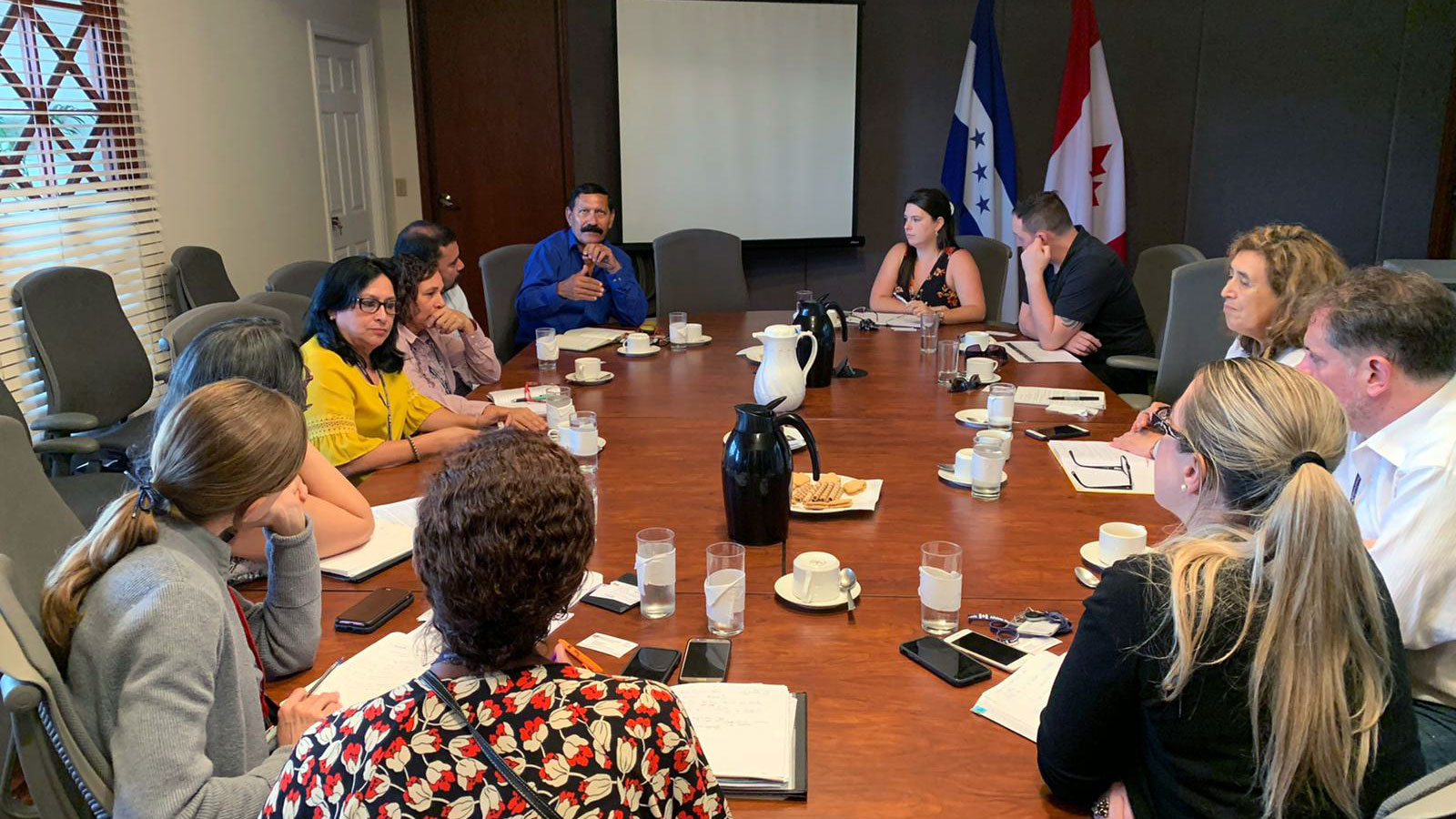
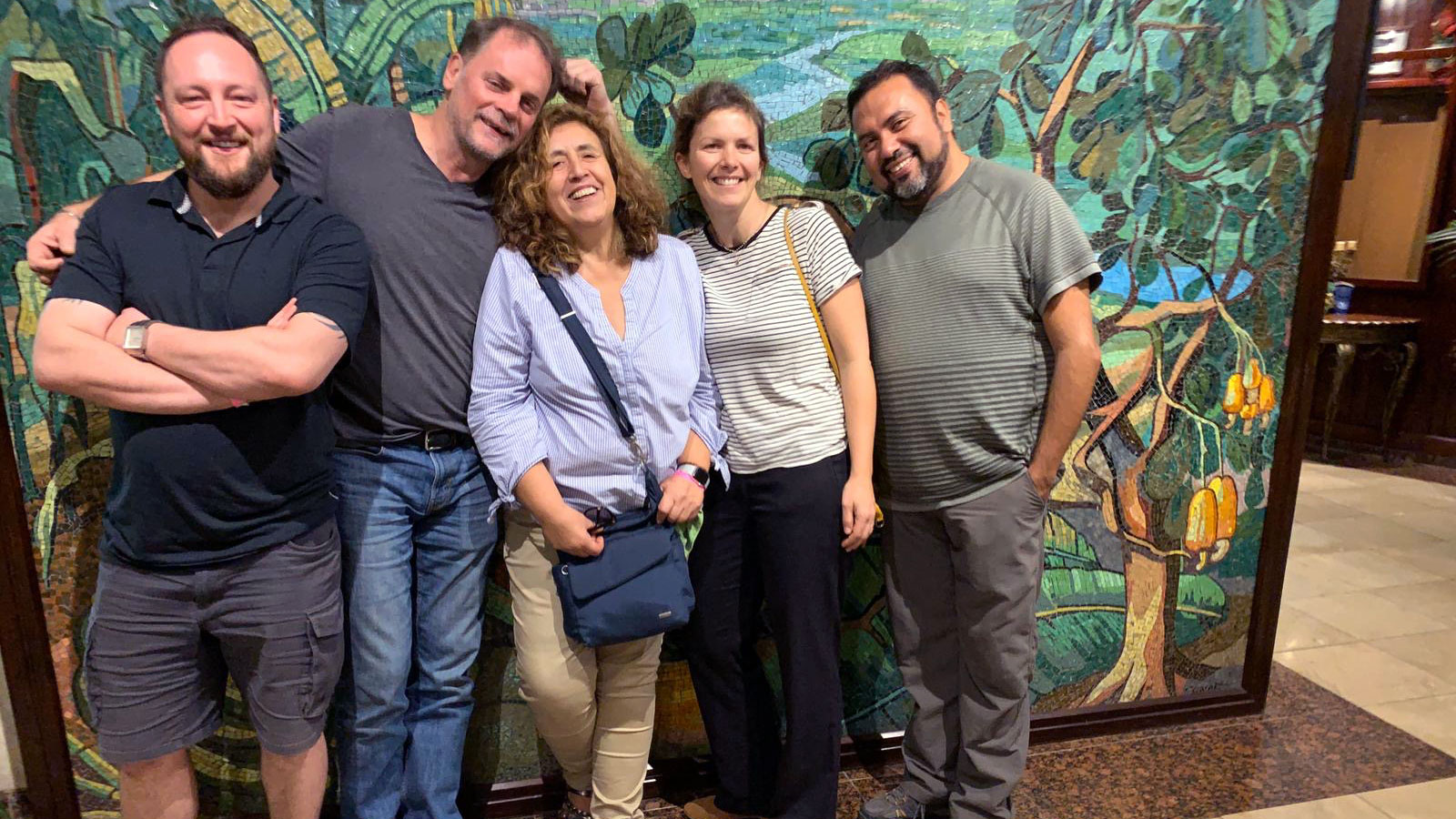
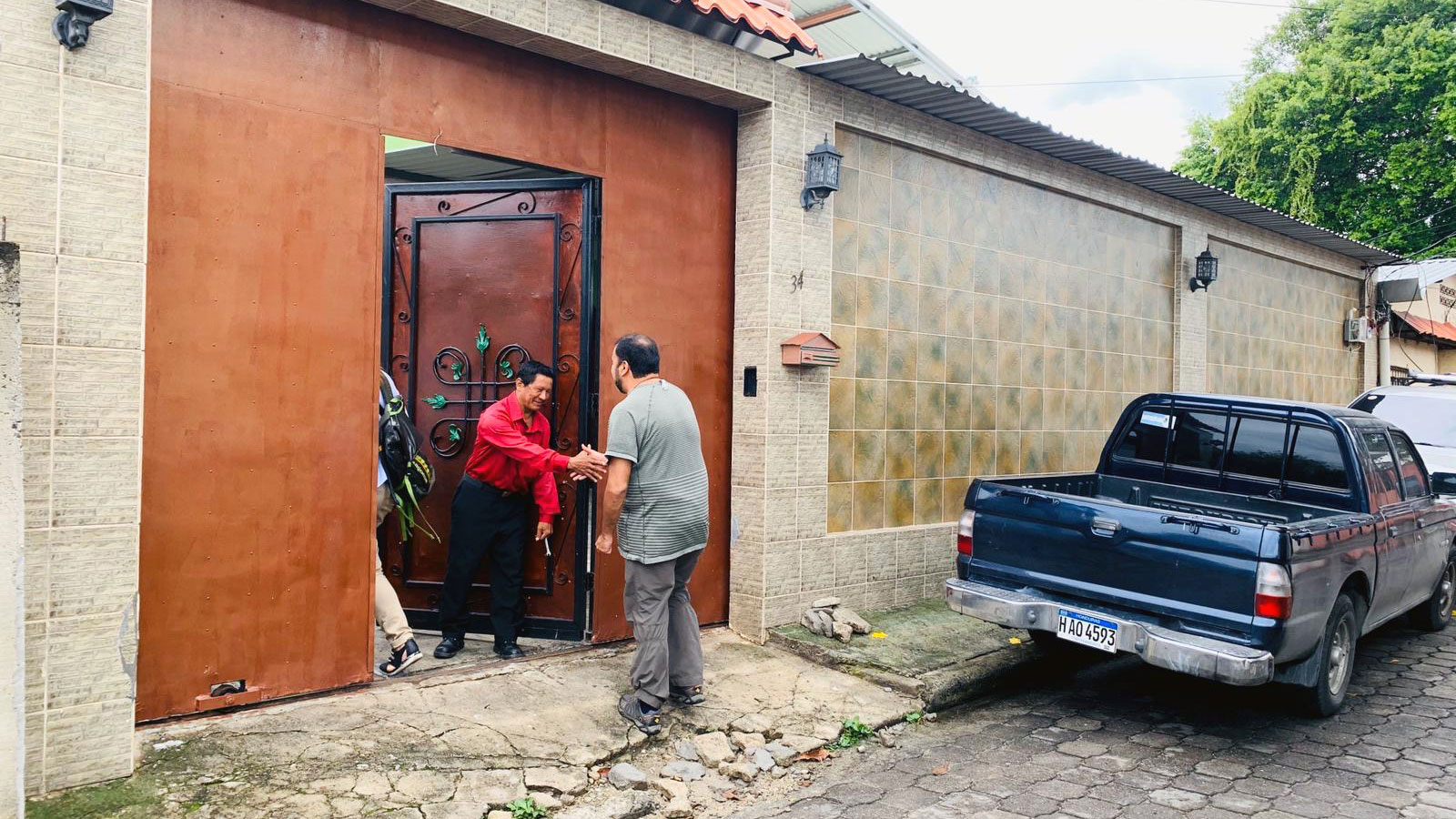
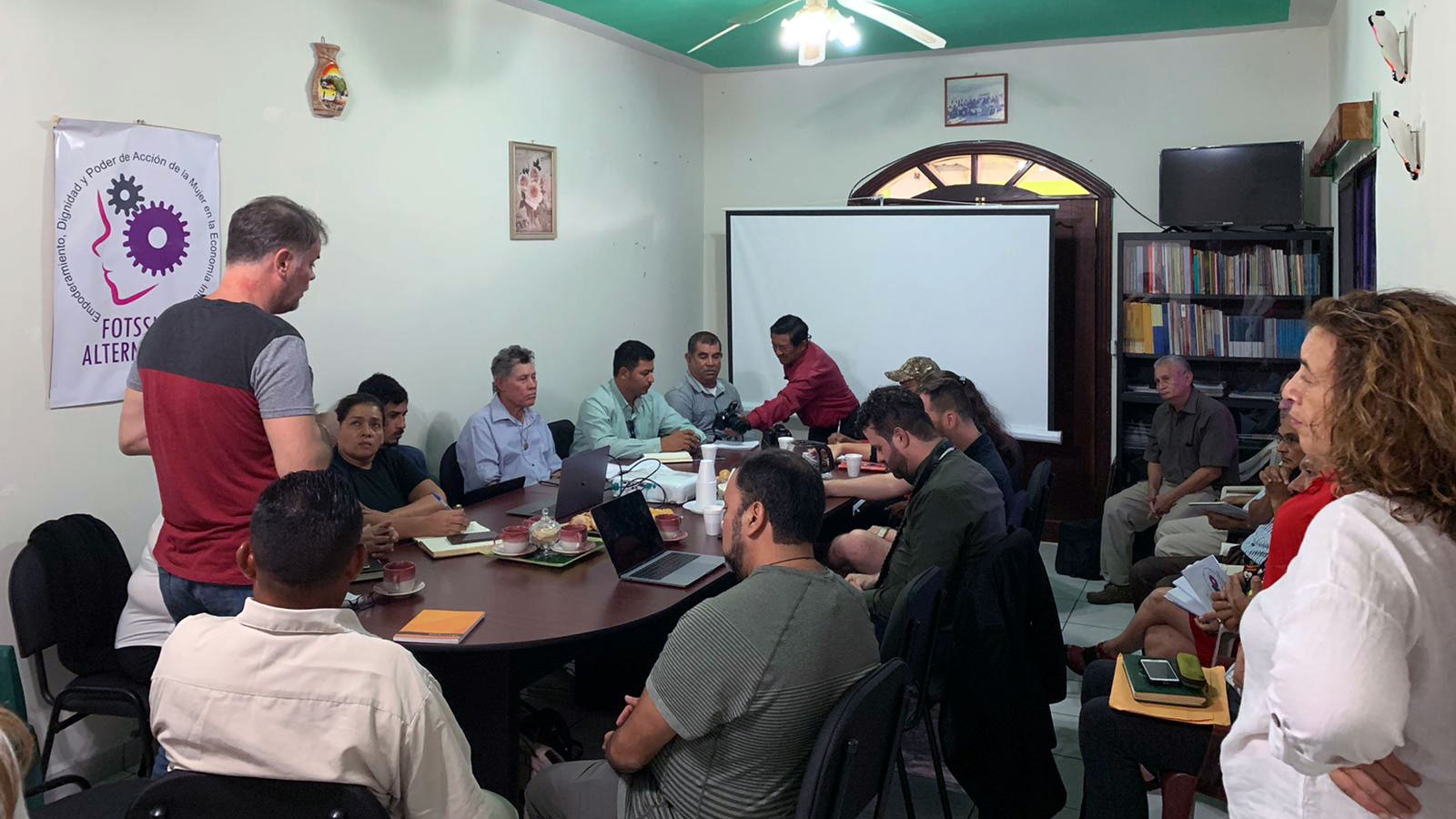
Project start-up mission (November 7 to 14, 2019)




Impacts de ce projet
Pas d'articles avec ces critères...