
Strengthening the livelihoods of women affected by the civil war in Sri Lanka
© Alex Bédard
Description
From 1983 to 2009, Sri Lanka was engulfed in a civil war between the government forces representing the Sinhalese majority and separatist militants of the Liberation Tigers of Tamil Eelam (LTTE).
These three decades of violence resulted in more than 100,000 deaths, widespread human rights violations of all kinds, including arbitrary and unlawful detention and enforced disappearances, as well as massive internal displacement. During the final phase of the conflict, the Sri Lankan army’s offensive aimed at destroying the LTTE led to a bloodbath that claimed up to 40,000 victims, mostly Tamil civilians and combatants. One of the consequences of this violence has been the high number of war widows and women living alone. The country is now estimated to have approximately 89,000 widows and several thousand additional women heads of households.
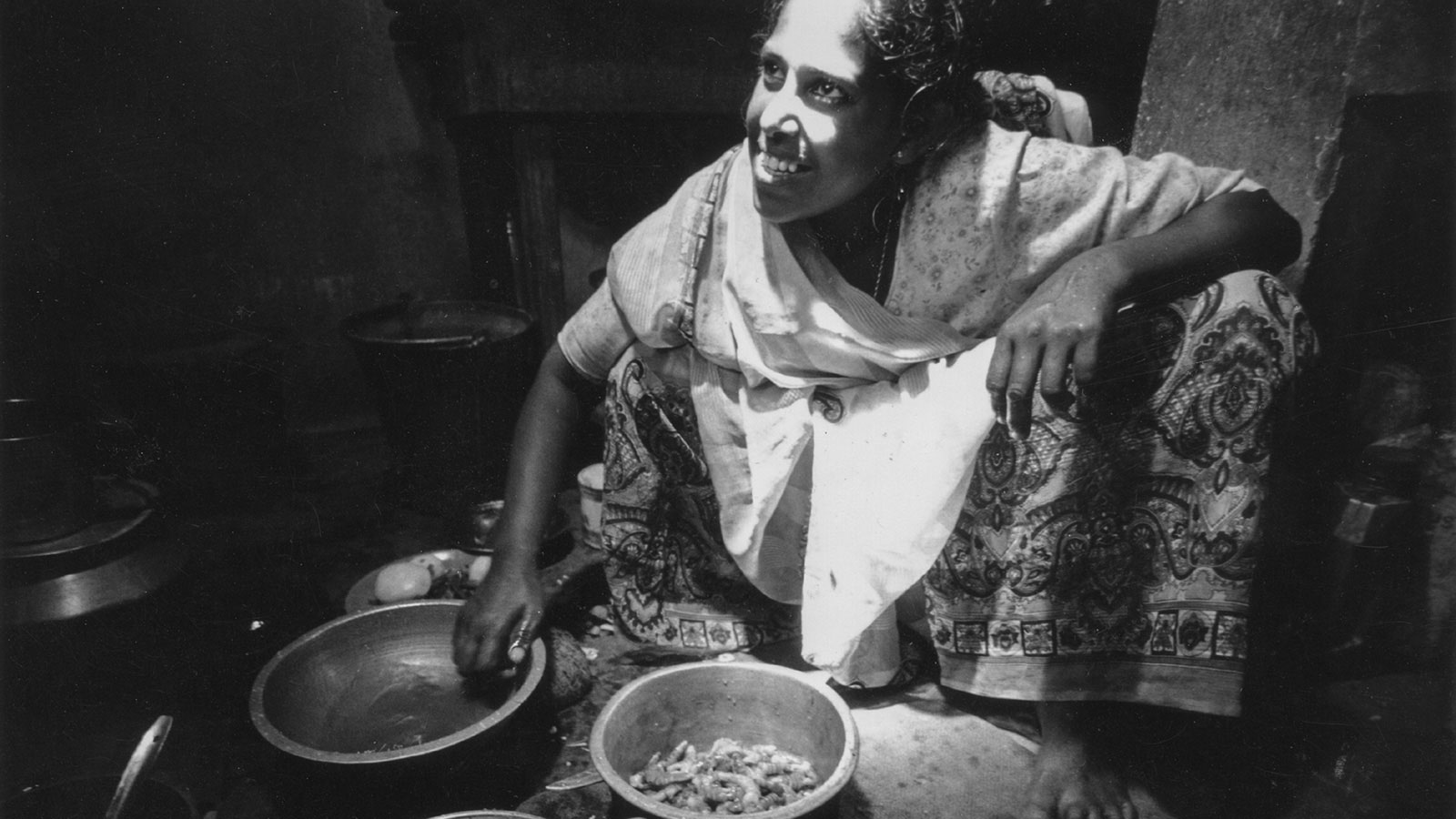
During the war, many of these women lost access to land, property, and dignified and decent livelihoods. This situation has left them vulnerable to poverty, social exclusion, sexual violence, and other forms of exploitation. Given their precarious socio-economic circumstances, many women are often pushed into sex work or other forms of exploitative labor.
Furthermore, even today, in the name of national security, populations, particularly in occupied areas in the north and east of the country, continue to be displaced without their consent and relocated without consideration for their livelihoods. Many families are forced to live in camps and temporary shelters where they have no reliable source of income. Conditions are especially difficult for women, especially those who lost their husbands during the war.
This project therefore addresses two interrelated issues: the poverty experienced by widows and the violence to which that poverty exposes them.
Many displaced people have been unable to return to their land due to military occupation and land grabbing for commercial purposes. It is also important to highlight the pressure exerted by multilateral agencies and the desire to create a low-cost labour force to increase the competitiveness of the economy. These dynamics are contributing to the expansion of megaprojects, often involving hotel complexes. Coastal areas are particularly sought after because of their economic and tourism potential. Lands confiscated by the military are declared to be in the public interest, despite the fact that affected populations receive no benefit from these developments.
The government is also seeking to seize land in order to expand its free trade zone, which currently employs hundreds of thousands of workers, mainly in the textile industry. The workforce, composed largely of female, generally works without contracts, has limited opportunities for unionization, and risks dismissal for failing to comply with employer demands. More than 41% of female workers report being forced to work more than nine hours of overtime per day in unsanitary conditions. Physical and sexual violence are widespread.
Year(s)
2019–2020Region(s)
AsiaLieu(x)
Sri LankaShare
Objectives
This initiative aims to support the empowerment of widows and other women heads of households in regions of Sri Lanka severely affected by decades of civil war or displacement caused by the conflict.
On the one hand, the project seeks to strengthen women’s livelihoods by providing them with resources, access to credit, and a better understanding of entrepreneurship. This first component also seeks to support sustainable livelihood practices, including urban agriculture and waste recovery initiatives, particularly composting.
On the other hand, the initiative seeks to strengthen women’s political participation, promote and protect their rights, and protect them from violence, exploitation, and marginalization.
Improving access to land is a key priority of the project.
Partners
This project is funded by our Quebec partner Mission Inclusion and implemented by our Sri Lankan partner, the National Fisheries Solidarity Organization (NAFSO).
NAFSO is a fishers’ movement working to implement sustainable development models, particularly in the agriculture and fisheries sectors of post-war Sri Lanka.
Activities
The project includes the following main activities:
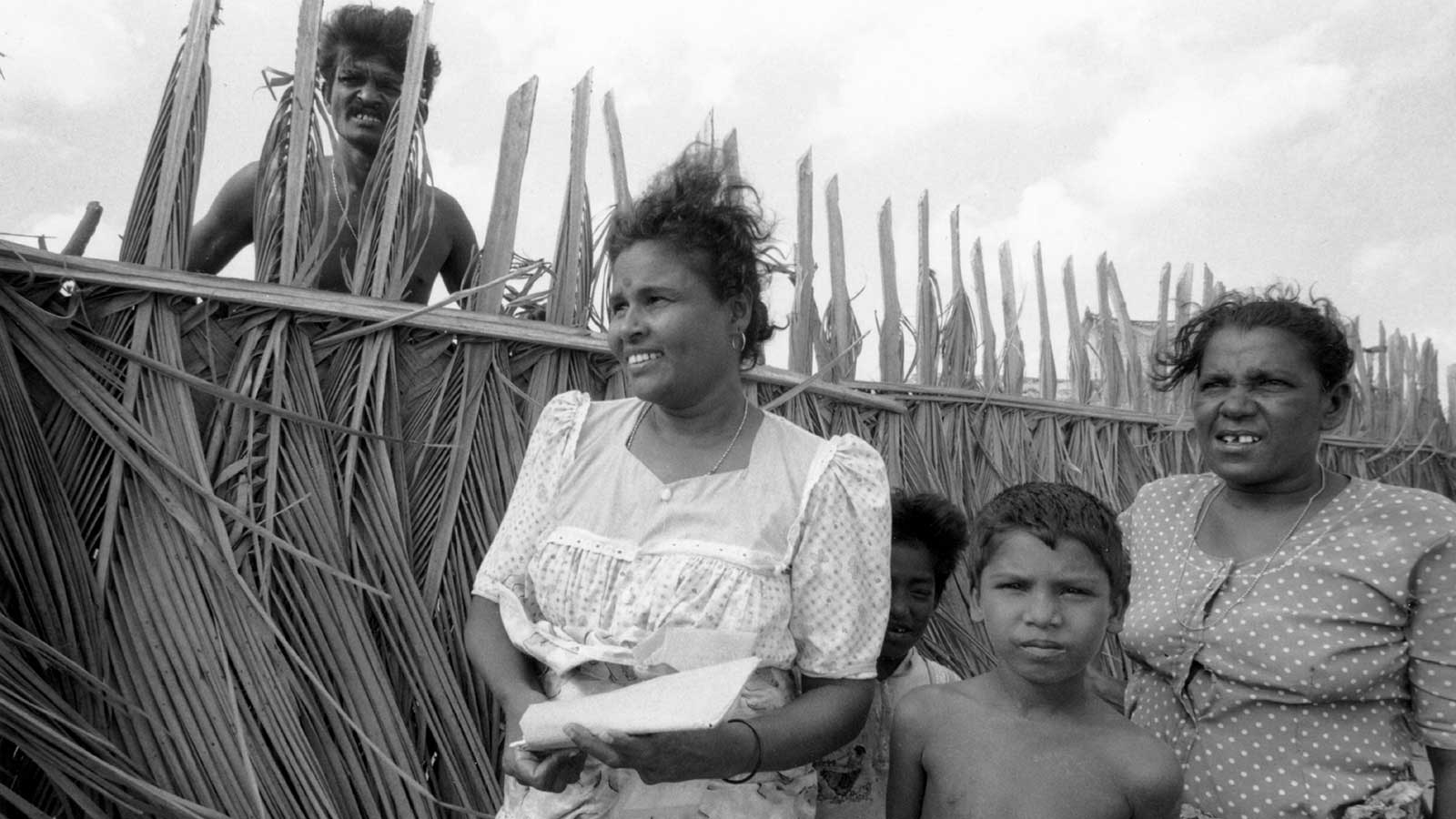
- Provide support (resources, guidance, knowledge) for the livelihood activities of some 75 women and girls who are heads of households in Trincomalee, Mannar, and Batticoloa, across 32 villages.
- Provide training and mentoring to strengthen the capacities of local associations so they can better support the empowerment and emancipation of targeted women and assist them in claiming their rights to land and property.
- Support the creation of the National Federation of Women of Sri Lanka.
- Provide training and tools to strengthen the capacities of approximately 270 women and men to adopt sustainable livelihood practices.
Impact of this project
Pas d'articles avec ces critères...